Best Leather Gardening Gloves (That Actually Hold Up Over Time)
Leather gardening gloves have a reputation for durability — but not all leather gloves perform the same in real garden conditions.
Some are too stiff to use comfortably. Others wear out faster than expected because the leather is too thin or poorly treated. And some feel great at first but break down after a season of real work.
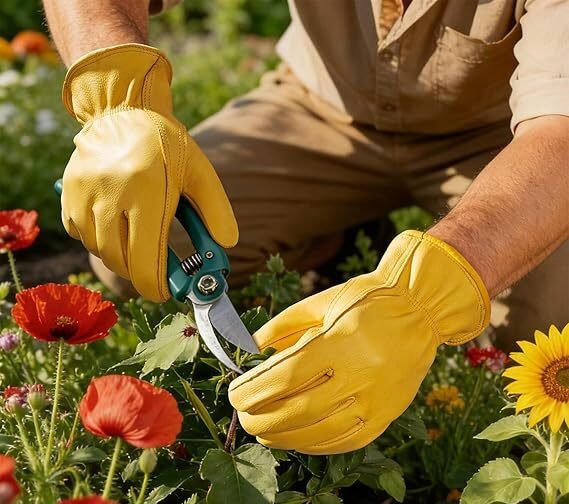
The best leather gloves balance durability, flexibility, and long-term comfort. They protect against abrasion, thorns, and tool friction while still allowing enough movement to work efficiently.
If you want a full breakdown of glove materials and coatings first:
→ /how-to-choose-garden-gloves/
Quick Picks:
- Best Overall: Wells Lamont HydraHyde Leather
- Best Heavy-Duty: Kinco 901 Pigskin Leather
- Best for Thorn Protection: COOLJOB Leather Gauntlet
- Best Budget: OZERO Leather Gloves
- Best for Flexibility: Ironclad Ranchworx
Why the Best Leather Gardening Gloves Outperform Every Alternative in Demanding Conditions
This is not a sentimental argument for traditional materials over modern ones. Leather earns its reputation in the garden on merit, and understanding why helps you make a better purchasing decision — whether you ultimately choose leather or something else.
Leather is naturally puncture-resistant in a way that synthetic coatings are not. The fibrous structure of tanned hide creates a matrix of interlocking fibers that distributes the force of a pointed object — a thorn, a sharp root end, a splinter from rough wood — across a wider area rather than yielding immediately at the point of contact. A synthetic coating of equivalent thickness typically fails more abruptly under the same pressure. This is why leather remains the material of choice for serious thorn protection, heavy pruning, and any task where sharp objects are a regular hazard.
Leather conforms to the hand over time. This is perhaps leather’s most underappreciated quality. A new leather glove fits well. A broken-in leather glove fits like a second skin — it has learned the specific contours of your hand, the way your fingers bend, the pressure points that develop during your particular style of garden work. That progressive improvement in fit translates directly into improved dexterity and reduced fatigue over time. No synthetic glove gets better with wear in the same way.
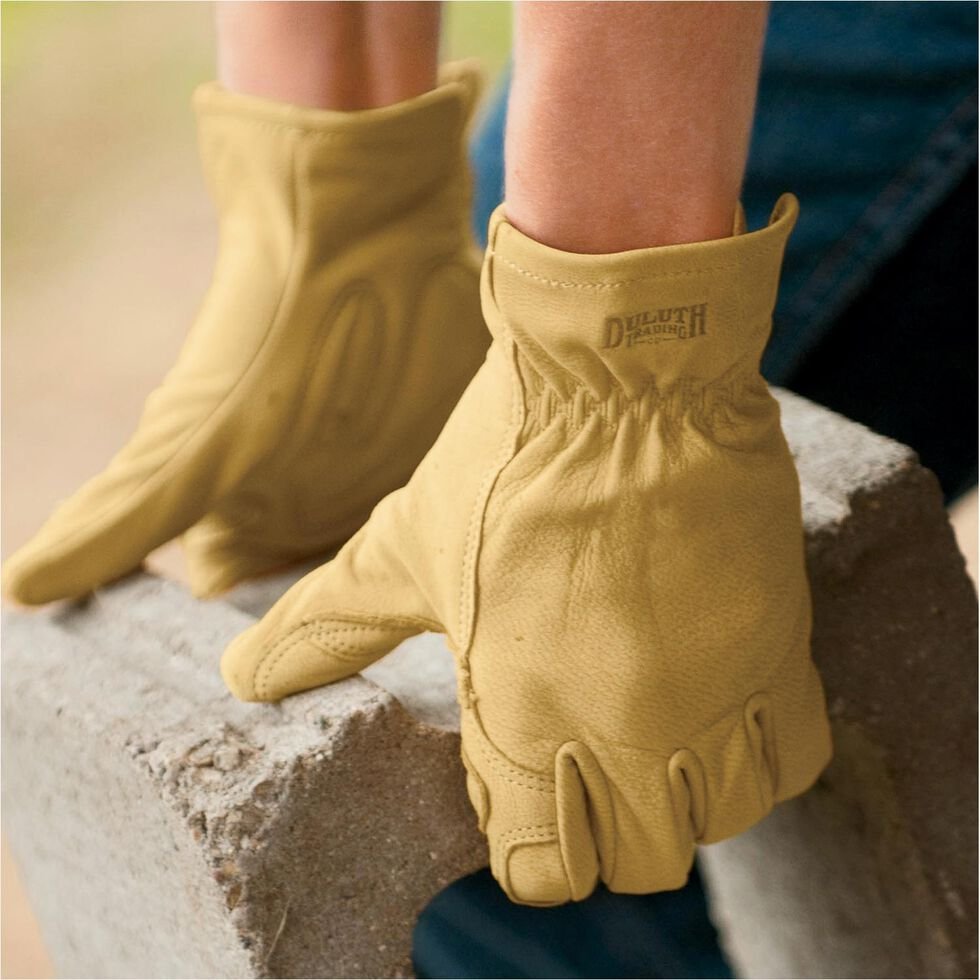
Leather handles heat and friction better than most alternatives. When you’re moving heavy materials — stones, logs, rough timbers — the friction generated against a synthetic coating can cause it to wear through relatively quickly. Leather absorbs and distributes that friction more effectively, which is why leather work gloves have remained standard in construction and heavy industry long after synthetic alternatives became available.
Leather ages rather than degrades. A synthetic glove that has reached the end of its useful life looks and feels worn out — the coating cracks, peels, or thins to the point of failure in a way that’s visually and tactilely obvious. A leather glove that has been well cared for develops character rather than deteriorating. The surface develops a patina, the fit becomes more precise, and the overall feel of the glove improves rather than declining. With proper maintenance, a quality leather gardening glove lasts not one season but many.
That said, leather has genuine limitations that are worth acknowledging before we go further. It is not waterproof — leather absorbs moisture, stiffens as it dries, and loses some of its protective properties when thoroughly soaked. It requires maintenance — conditioning, proper drying, careful storage — that synthetic gloves don’t. And it is generally more expensive at the quality end than comparable synthetic options.
For most serious gardeners, those trade-offs are entirely acceptable given what leather offers in return. For gardeners who work primarily in wet conditions or prefer a genuinely low-maintenance glove, a synthetic alternative may serve better.
Understanding Leather Types — What the Label Actually Means
Not all leather is created equal, and the type of leather matters significantly for gardening applications. The hide used, the tanning process, and the thickness of the finished material all affect how the glove performs and how long it lasts.
Goatskin
Goatskin is the premier leather for gardening gloves, and particularly for any work that involves thorns, detailed pruning, or tasks that require dexterity alongside protection. The grain of goatskin is naturally tight and fine, which gives it puncture resistance that belies how soft and supple the material feels. It is genuinely tough while remaining flexible enough that detailed hand movements — operating pruning shears, handling small plants, working in tight spaces between canes — remain possible and precise.
Goatskin also breaks in beautifully. The initial suppleness means there’s minimal break-in period compared to stiffer hides, and the way it conforms to the hand over time is among the best of any leather type. It is the most expensive option but typically the most rewarding for gardening applications where dexterity and thorn resistance must coexist.
Cowhide
Cowhide is the workhorse of leather gloves — tougher and more abrasion-resistant than goatskin, more widely available, and generally less expensive. The trade-off is stiffness. Cowhide gloves require a meaningful break-in period before they reach their most comfortable state, and even broken-in cowhide is less supple than broken-in goatskin.
For heavy garden work — deep digging, moving rough materials, clearing overgrown ground — cowhide’s superior toughness makes it the right choice. The stiffness that makes it less ideal for delicate pruning is an asset when you’re hauling stones or breaking new ground. Quality cowhide gardening gloves are genuinely durable over multiple seasons of hard use.
Pigskin
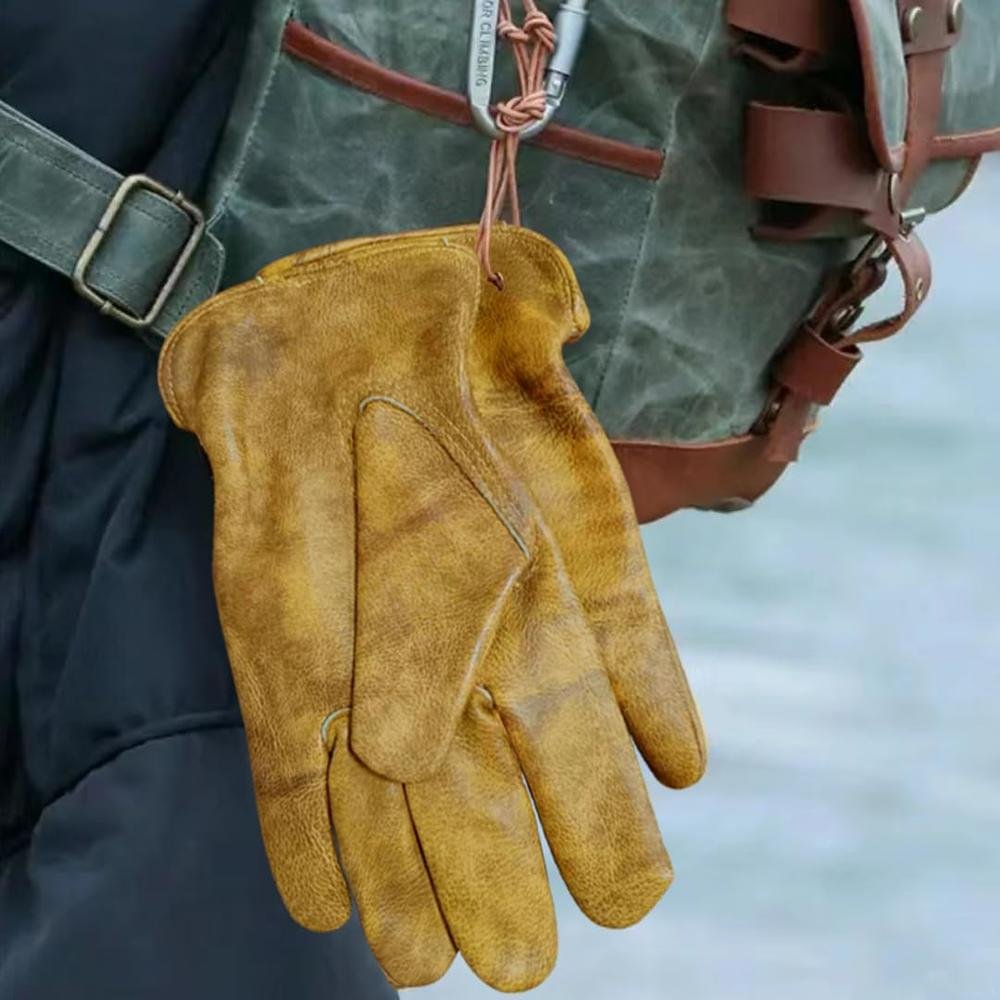
Pigskin sits usefully between goatskin and cowhide in the leather hierarchy — tougher than goatskin but more flexible than cowhide, with a distinctive porous surface grain that provides natural grip. It is machine washable in a way that other leathers are not, which makes it more practical for gardeners who prefer low-maintenance gloves. The durability is excellent and the break-in period is shorter than cowhide.
Pigskin is a particularly good choice for general heavy gardening work where you want leather durability without committing to the maintenance that premium goatskin requires.
Deerskin
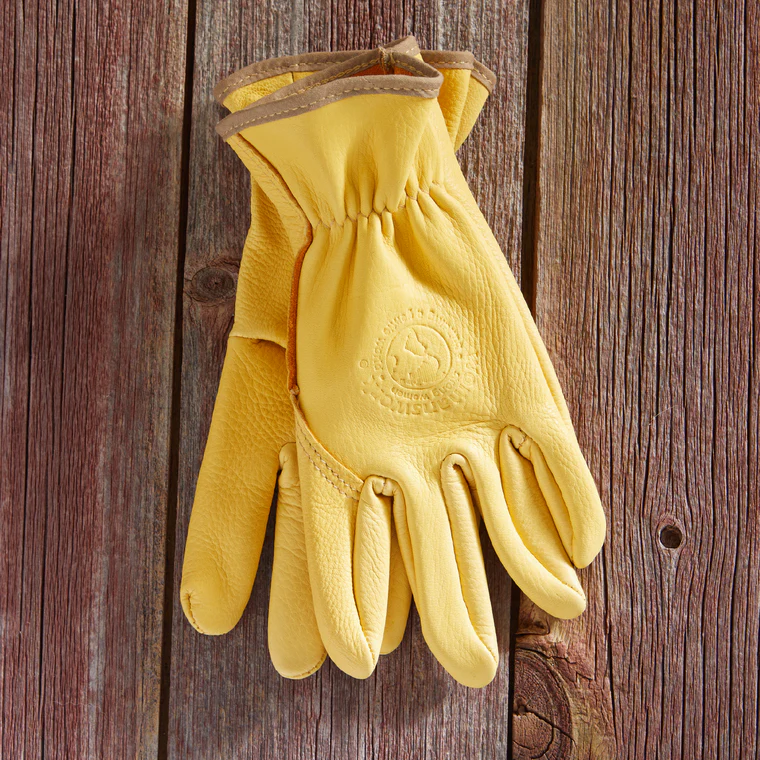
Deerskin is the softest of the commonly available leather types and the most immediately comfortable from the first wear. It requires no break-in period and feels natural on the hand from the start. The trade-off is durability — deerskin is less abrasion-resistant than goatskin or cowhide and wears faster under sustained heavy use.
For lighter gardening tasks where you want leather’s natural feel and thorn resistance without heavy-duty durability requirements, deerskin is a pleasure to wear. For sustained heavy work, it wears through faster than other options.
Split Leather
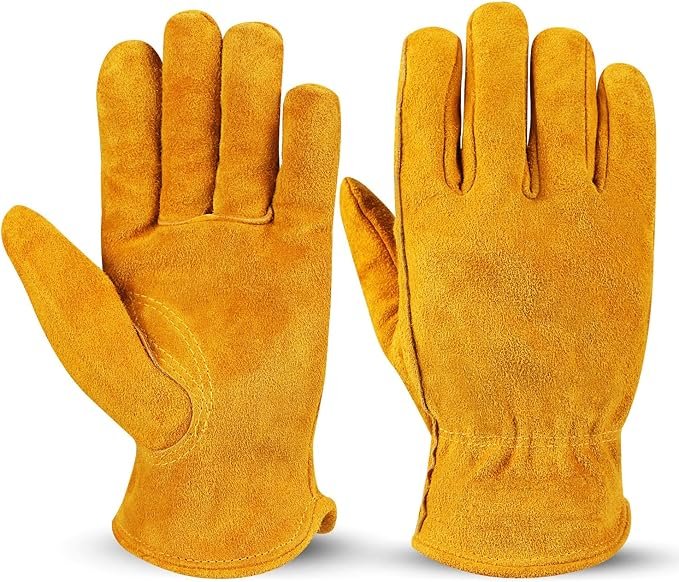
Split leather is produced from the inner layers of a hide after the top grain has been separated for higher-quality uses. It is less expensive than full-grain or top-grain leather but significantly less durable and less resistant to moisture and abrasion. Split leather gloves are recognizable by their rougher, more uniform surface texture.
They’re not the best choice for serious gardening work — the performance gap between split leather and quality full-grain leather is significant enough that the cost saving rarely justifies it. If price is the primary concern, a quality synthetic glove often outperforms split leather at a comparable price.
What to Look for When Choosing Leather Gardening Gloves
Construction Quality
The leather itself is only part of the story. How the glove is put together determines how long it holds up under real garden conditions.
Examine the stitching carefully. Tight, even stitching with quality thread — ideally a synthetic thread rather than cotton, which degrades faster when exposed repeatedly to moisture and soil — is the sign of a well-constructed glove. The seams at the base of each finger, where stress concentrates during gripping and pulling, should be reinforced rather than relying on a single line of stitching.
The cuff construction matters too. A well-finished cuff edge — hemmed or reinforced rather than simply cut — resists the fraying that eventually works its way up into the glove body if the edge is left raw.
Thickness and Protection Level
Leather gloves come in a range of thicknesses, and the right thickness depends on the work you’re doing.
For tasks where dexterity is paramount — pruning, training, detailed plant work — a thinner leather that moves freely with the hand is preferable. For heavy digging, clearing, and rough material handling, a thicker leather that provides more cushioning and abrasion resistance serves better.
Many quality leather gardening gloves use a combination — thinner leather at the fingers for dexterity and thicker construction at the palm for protection. This intelligent variation in thickness across the glove is a sign of thoughtful design rather than minimum-cost construction.
Cuff Style and Length
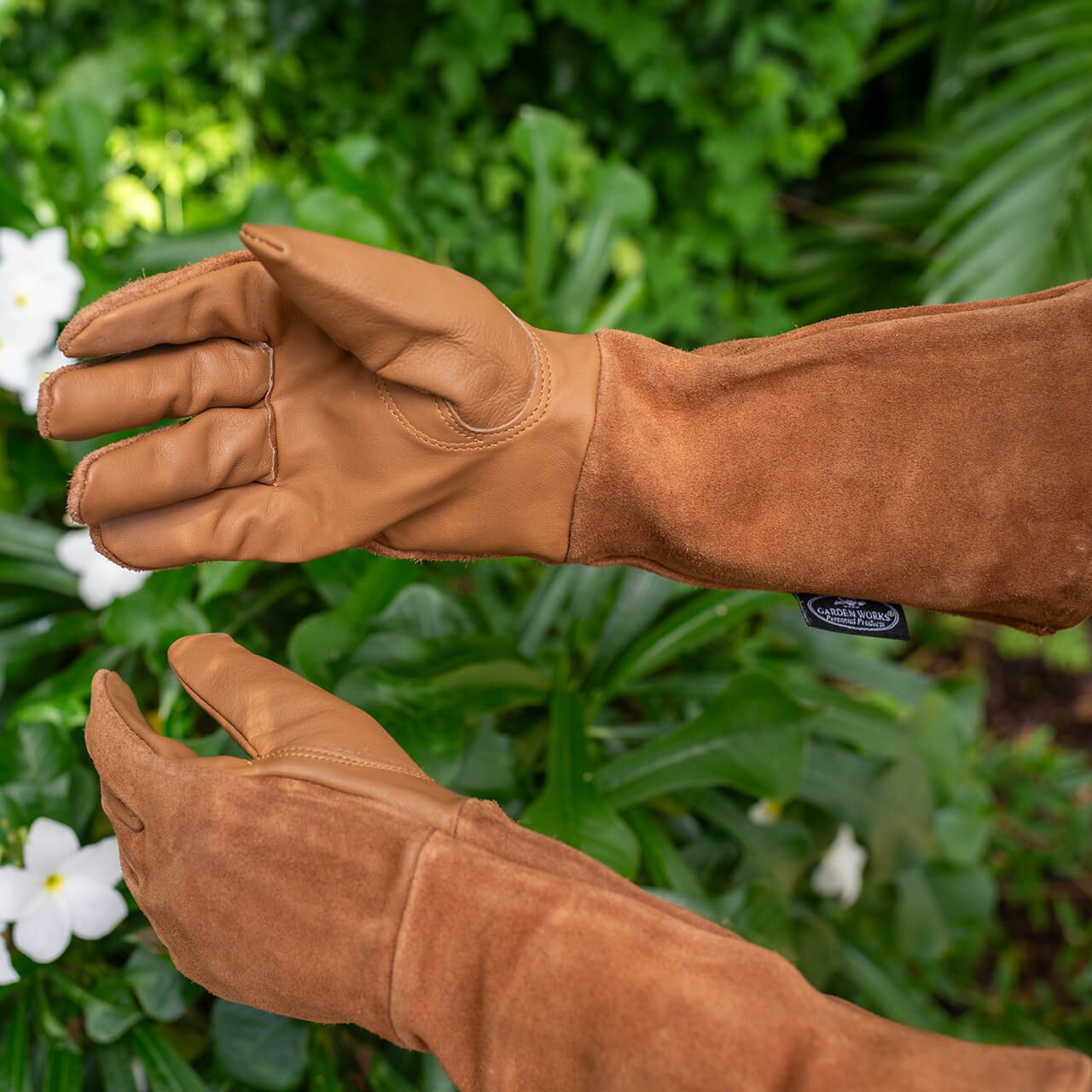
The cuff of a leather gardening glove significantly affects both protection and comfort, and the right choice depends on the tasks the glove will primarily be used for.
Short cuffs — ending at or just past the wrist — suit everyday digging, planting, and general garden work where forearm exposure to hazards is minimal. They allow more wrist mobility and feel less restrictive during sustained use.
Gauntlet cuffs — extending several inches up the forearm — are essential for pruning roses and thorny shrubs, training climbers, and any work that brings the forearms into regular contact with thorns and rough canes. The additional coverage they provide is not aesthetic — it addresses a real and frequent hazard for anyone working closely with thorny plants.
Fit Across the Hand
Leather gloves that fit poorly are worse than synthetic gloves that fit well — the stiffness of the material amplifies the problems caused by poor fit more than a flexible synthetic does.
Try leather gloves on whenever possible rather than buying blind based on size charts. The variation between manufacturers in how sizing translates to actual dimensions is significant with leather gloves. What one brand calls a medium fits like another brand’s large, and the consequences of getting this wrong with a leather glove are more serious than with a more forgiving material.
The Best Leather Gardening Gloves for Durability and Protection
1. Kinco 901 Pigskin Leather Gloves — Best Overall Leather Gardening Glove
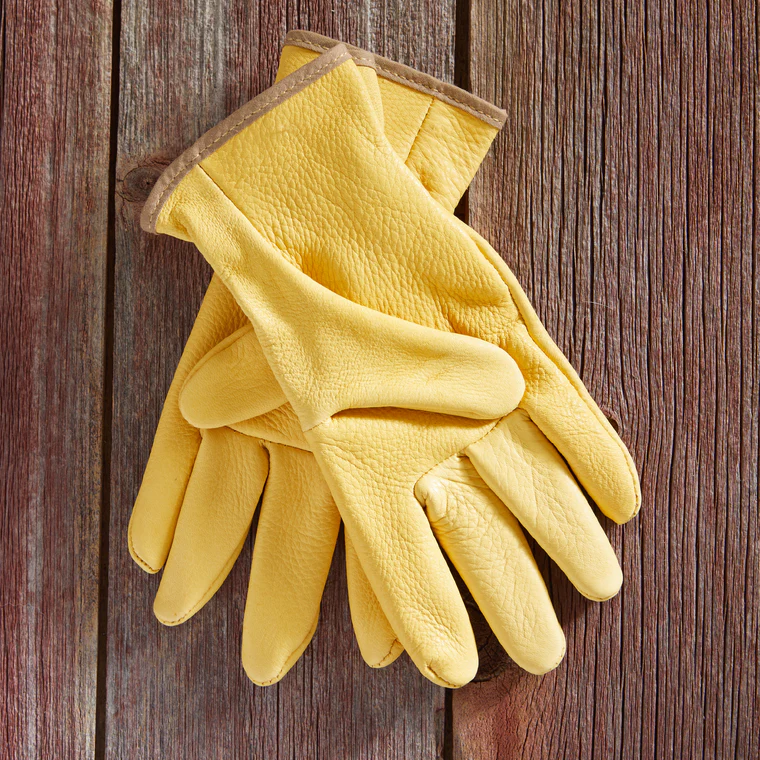
Kinco has been manufacturing work gloves since 1917, and the 901 pigskin gloves represent the accumulated knowledge of a company that has spent more than a century figuring out what makes a leather glove actually work. They are not glamorous. They do not come in attractive packaging or make bold claims about revolutionary construction. They are simply very good leather gloves at a fair price, and in the gardening world, that combination is rarer than it should be.
The pigskin construction provides durability that outlasts most gardening gloves considerably. The natural grip of the pigskin surface is excellent on tool handles and rough materials, and the machine-washable property — unusual in leather gloves — makes maintenance genuinely simple. The fit is comfortable across a wide range of hand sizes, and the break-in period is short compared to cowhide alternatives.
For general heavy garden work — digging, moving materials, rough clearing, sustained tool use — these are as reliable a choice as the leather glove category offers at any price.
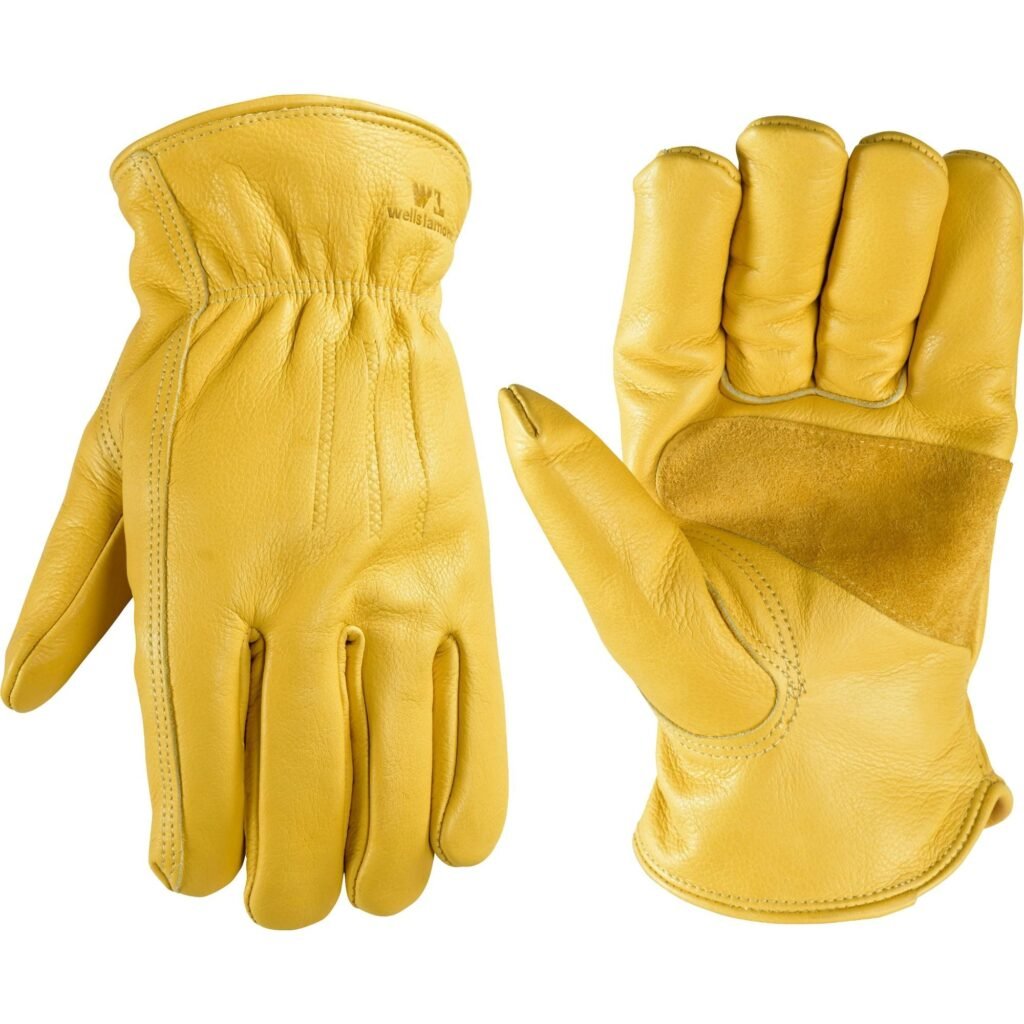
2. Wells Lamont Cowhide Leather Work Gloves — Best Heavy-Duty Option
When the work is genuinely heavy — breaking new ground, clearing established growth, handling rough stone and timber alongside garden tasks — cowhide is the right material and Wells Lamont makes some of the most dependable cowhide gloves available at accessible prices.
The cowhide construction is thick and genuinely tough, providing abrasion resistance that lighter leather types and synthetic alternatives simply cannot match under sustained heavy use. The palm reinforcement adds an extra layer of protection exactly where the heaviest wear occurs, and the overall construction feels made to last rather than made to a price.
They require a break-in period. The first few sessions in new Wells Lamont cowhide gloves are somewhat stiff, and patience is required while the leather accommodates itself to your hand. That investment pays off — broken-in cowhide gloves that fit your hand specifically become remarkably comfortable and effective tools. But the initial stiffness is real and worth knowing about before you commit to wearing them for a full day of work straight out of the packaging.
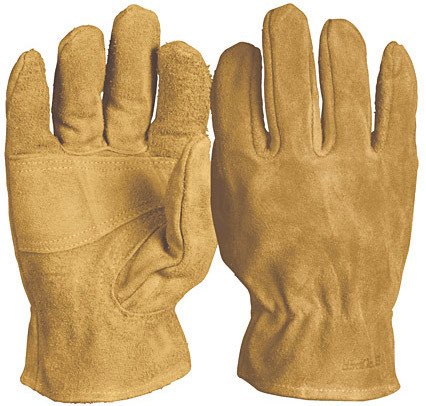
3. OZERO Goatskin Leather Rose Pruning Gloves — Best for Thorn Protection and Dexterity
Goatskin leather in a well-constructed gardening glove is the answer to the central problem that every serious rose gardener faces: how do you get genuine thorn protection without sacrificing the dexterity that careful pruning requires?
The OZERO goatskin gloves navigate this tension better than most. The leather is supple from the first wear and becomes more so over time, conforming to the hand and allowing finger movement that heavier leather alternatives restrict. The thorn resistance is genuine and reliable — these stop mature rose cane thorns under realistic pruning pressure, not just the light contact that even inadequate gloves handle.
The extended gauntlet cuff provides forearm protection during reaching and training work, and the fit through the fingers is precise enough for the detailed cutting that good rose pruning demands. For gardeners who take their roses seriously and want a glove that takes thorn protection equally seriously, these represent the best balance of protection and dexterity that natural leather makes available.
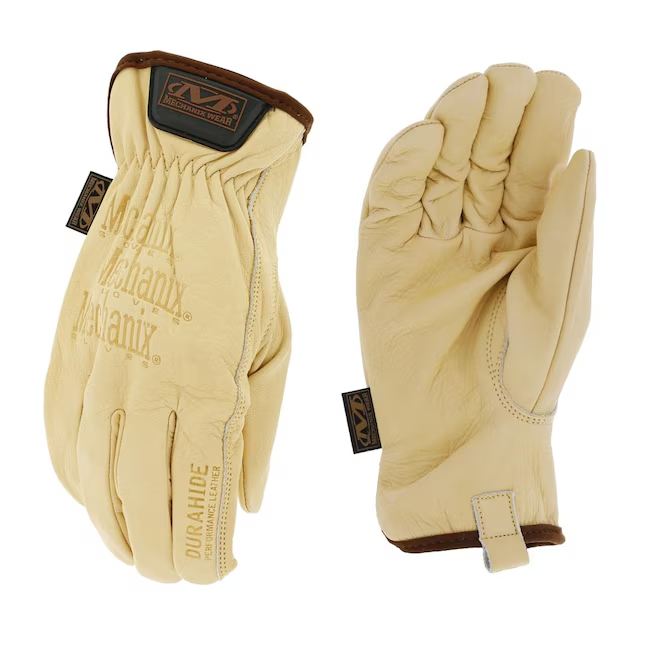
4. Leather Work Gloves by Mechanix Wear — Best for Tool-Intensive Garden Work
Mechanix Wear designed their leather gloves for mechanics working in conditions that punish inadequate equipment — high friction, sustained grip requirements, precision tool use alongside rough material handling. Those demands translate directly to demanding garden work, and the performance that makes these gloves trusted in workshops and garages makes them equally effective in the garden.
The synthetic leather palm — a high-quality synthetic that performs comparably to natural leather for abrasion resistance and grip — provides excellent tool handle grip that maintains its effectiveness across long sessions of sustained use. The fit is carefully designed to minimize the material bunching and excess that reduces control during tool use, and the wrist closure keeps debris out during digging and soil work.
For gardeners whose work involves significant time with tools in hand — border forks, spades, hand cultivators — alongside the protection requirements of heavy garden work, these provide an intelligent combination of grip engineering and durable construction.
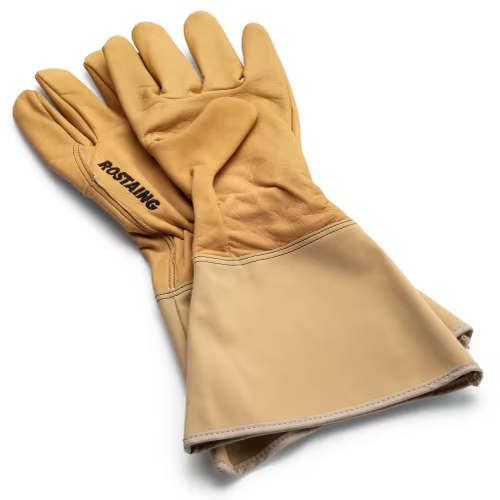
5. Rostaing Basane Leather Gardening Gloves — Best European Leather Option
Rostaing is a French manufacturer with more than two centuries of glove-making history, and that depth of experience produces gloves that feel noticeably different from mass-produced alternatives — more carefully considered in their construction, more precisely fitted, and more deliberately designed for the specific demands of gardening rather than general work.
The Basane leather used in these gloves is a split leather of unusually high quality for the category — softer and more supple than typical split leather, with good abrasion resistance and a comfortable feel from the first wear. The construction throughout — stitching, cuff finish, finger proportions — reflects a manufacturer that has been refining its product for generations rather than optimizing for minimum cost.
They are not the most heavily armored option on this list, which makes them better suited for general garden work than for the most demanding thorn-protection applications. But for the gardener who wants a well-made, comfortable, durable leather glove for everyday use, the quality of construction and the pleasure of wearing them sets them apart from the majority of what the market offers.
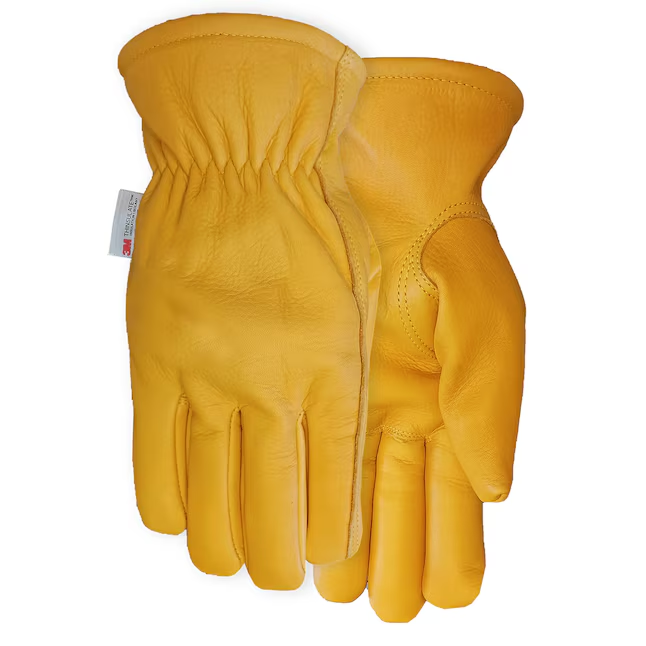
6. Midwest Gloves and Gear Leather Palm Gloves — Best Budget Leather Option
Quality leather gardening gloves don’t have to carry a premium price, and the Midwest Gloves leather palm option demonstrates that a thoughtfully constructed budget leather glove can deliver meaningful performance at a price that makes replacing them sensible rather than painful.
The leather palm and finger construction provides real abrasion resistance and reasonable puncture protection for general garden tasks — digging, planting, general soil work, light pruning. The fabric back keeps the gloves breathable and comfortable during extended sessions, and the overall fit is comfortable across a range of hand sizes.
They are not going to outperform premium goatskin or heavy-duty cowhide gloves under serious conditions. The leather is thinner and the construction less refined than the higher-end options on this list. But for the gardener who wants genuine leather protection for everyday tasks at a price that doesn’t require deliberation, they deliver honest performance for the money.
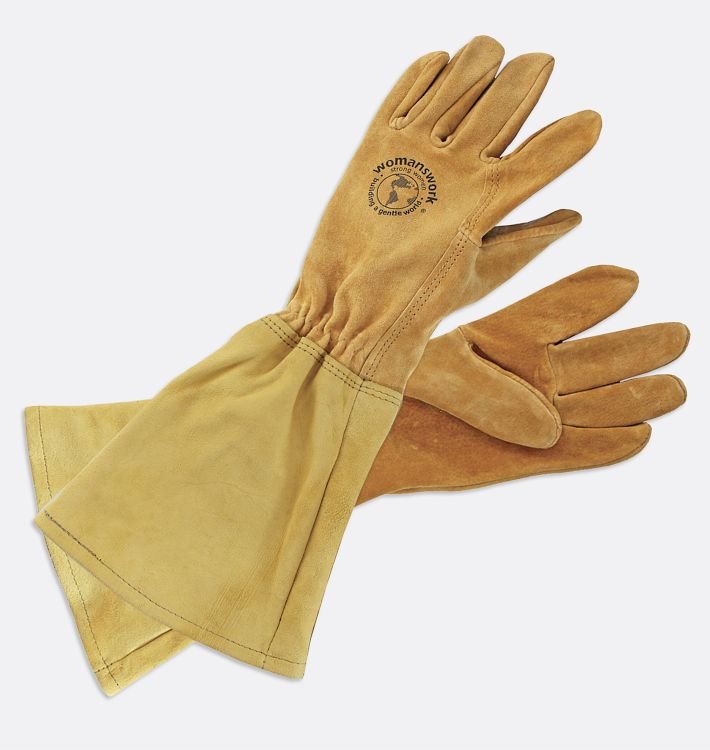
7. Womanswork Leather Garden Gloves — Best Leather Gloves for Smaller Hands
The fit problem that affects thorn-resistant gloves generally is particularly acute with leather, where the stiffness of the material amplifies the consequences of poor sizing. A leather glove that doesn’t fit well doesn’t just reduce dexterity — it creates gaps in protection, causes pressure points during sustained use, and makes the glove genuinely unpleasant to wear.
Womanswork has built their reputation specifically on addressing the fit gap for gardeners with smaller hands, and their leather gloves apply the same sizing philosophy to a material that desperately needs it. The proportions through the fingers, palm, and wrist are calibrated for smaller hand dimensions, producing the snug, precise fit that leather gloves require to perform at their best.
The leather quality is solid, the construction is careful, and the thorn resistance is adequate for general pruning work. But the defining recommendation here is fit — if you have smaller hands and have spent years fighting leather gloves that were simply too large to use effectively, these are worth trying specifically because they are designed with your hand size in mind rather than as an afterthought.
Caring for Leather Gardening Gloves — The Investment That Pays for Itself
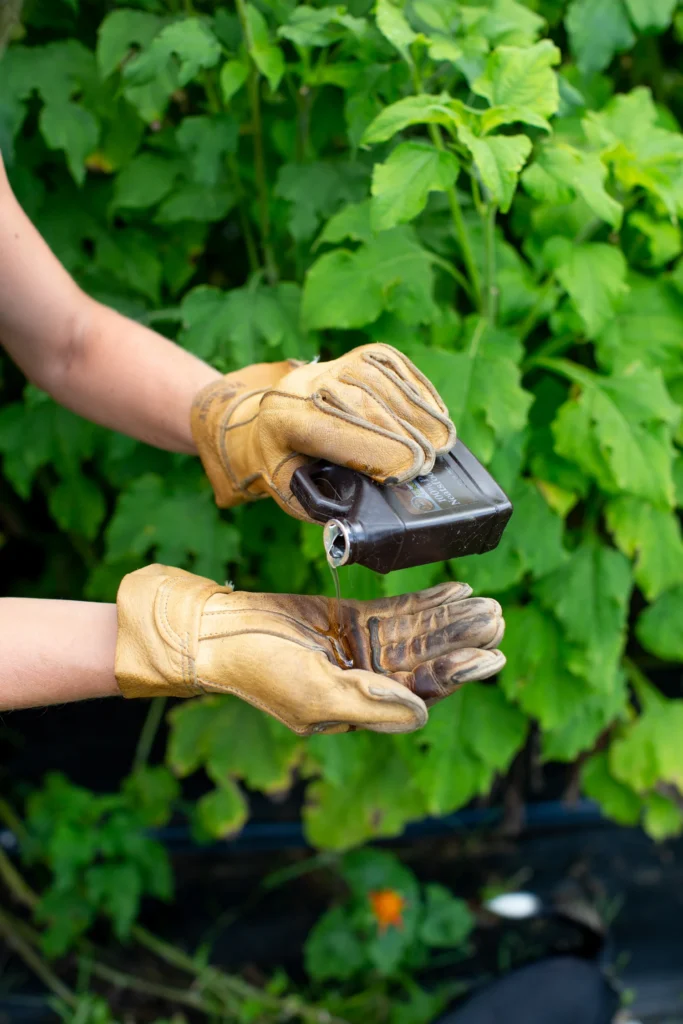
Leather gardening gloves are more maintenance-intensive than synthetic alternatives, and that maintenance is not optional — it is what separates a leather glove that lasts multiple seasons from one that deteriorates into stiffness and cracking within a year.
Clean them after each use. Wipe off soil and plant debris before it dries and stiffens in the leather grain. A damp cloth is usually sufficient — you are not trying to deep-clean the leather, just remove the surface accumulation of garden material before it sets.
Dry them slowly and naturally. Never use direct heat — a radiator, a hairdryer, direct sunlight — to dry leather gloves after they have gotten wet. Rapid drying causes the leather to stiffen, distort, and crack in ways that cannot be reversed. Let them dry at room temperature, shaped roughly to a natural hand position, away from heat sources.
Condition them regularly. Leather conditioning is the single most important maintenance step for extending glove life. A quality leather conditioner — not shoe polish, not petroleum jelly, but a purpose-made leather conditioner — replenishes the natural oils that gardening, washing, and drying progressively remove from the leather. Applied every few weeks during heavy use and before storage at the end of the season, conditioning keeps the leather supple, prevents surface cracking, and maintains the flexibility that dexterity requires.
Store them properly. At the end of the gardening season, clean and condition your leather gloves thoroughly before storing. Keep them in a cool, dry place away from direct light — a breathable bag or a shelf in the shed rather than a sealed plastic container. Leather needs to breathe during storage just as it does during use.
Gloves cared for this way don’t just survive multiple seasons — they improve. The leather becomes more supple, the fit more precise, and the overall feel of the glove more natural with each passing season. That progressive improvement is leather’s most compelling argument — and it is one that no synthetic alternative can make.
Final Thoughts
Leather is not the right material for every gardening glove in every situation. It is not the answer when waterproofing is the priority, when low maintenance is non-negotiable, or when the lightest possible glove is what the work requires. There are synthetic gloves that outperform leather in specific, targeted applications.
But for the demanding, varied, sustained work that serious gardening involves — the pruning and digging and clearing and handling that a real garden asks of you across a full season — the best leather gardening gloves offer a combination of durability, protection, and progressive comfort that synthetic alternatives have not yet surpassed. They ask something of you in return: care, maintenance, and patience through the break-in period. What they give back is a glove that fits your hand specifically, protects it reliably, and lasts long enough to become a familiar tool rather than a recurring purchase.
Start with the Kinco pigskin gloves for dependable all-purpose performance at an honest price. Move to goatskin if thorn protection and dexterity must coexist. Choose cowhide when the work is at its heaviest and durability is the overriding priority. And whatever you choose — take care of it. A leather glove properly maintained is not an expense. It is an investment in the hands that do your gardening, season after season, for as long as you tend your garden.