
There is a moment every rose gardener knows. You reach into the bush with confidence, your hand finds a cane, and then — that sharp, immediate sting of a thorn finding exactly the gap your glove left unprotected. It is a small injury, usually, but an instructive one. It tells you, clearly and without ambiguity, that you were wearing the wrong gloves. Finding the best garden gloves for rose pruning and thorn protection is not a minor equipment decision for anyone who grows roses seriously. It is the decision that determines whether working with your roses is a pleasure or an ordeal.
Why Rose Pruning Demands Its Own Category of Glove
Most gardening tasks are forgiving of imperfect equipment. You can weed in gloves that are slightly too large, plant in gloves that are slightly too thin, and dig in gloves that aren’t quite the right material — and while the experience might not be ideal, you’ll get through the job without serious consequence.
Rose pruning is different. It is one of the few gardening tasks where the wrong glove doesn’t just make the work less comfortable — it makes it genuinely hazardous. Roses are armed, and they are armed seriously. The thorns on a mature rose cane are not the gentle, easily avoided protrusions on a young plant. They are hooked, hardened, and positioned in a way that seems almost deliberate in its inconvenience — angled to catch and drag as you withdraw your hand, clustered along exactly the sections of cane you need to grip to make a clean cut.
And pruning puts you in sustained, direct contact with those thorns. Unlike passing through a rose bed while weeding, where thorn contact is incidental and avoidable, pruning requires you to work directly with the canes — gripping them, positioning them, cutting them, and removing them from the plant. Your hands are in and around thorns continuously, for the full duration of the task.
The demands this places on a glove are specific and non-negotiable.
Puncture resistance is the primary requirement. A glove that thorns can push through — even under moderate pressure — is not suitable for rose pruning. Full stop. The entire purpose of the glove in this context is to stop thorns from reaching your skin, and a glove that fails at this fundamental task fails completely, regardless of how comfortable, breathable, or well-fitted it might otherwise be.
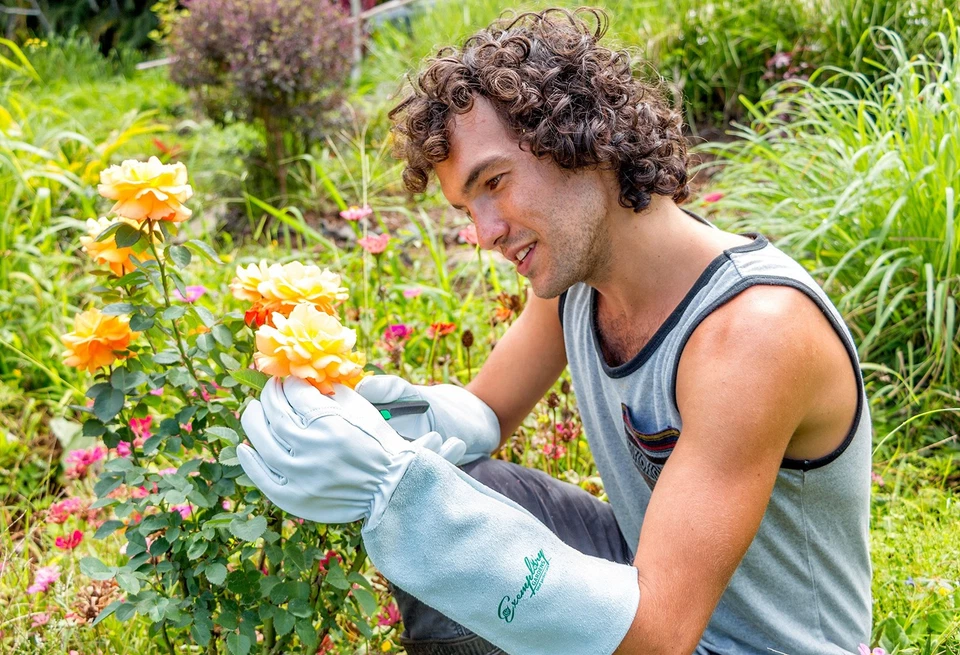
Forearm protection matters as much as hand protection. The thorns on a rose bush don’t restrict themselves to the area your hand occupies. Reaching into a mature shrub rose or training a climbing rose means your forearms are exposed to raking contact with thorned canes for the duration of the work. A glove that ends at the wrist leaves you with protected hands and scratched forearms — which is an improvement, but not a solution.
Dexterity cannot be entirely sacrificed. This is the central tension in rose pruning gloves. Maximum puncture resistance typically requires thick, stiff materials — leather or heavy synthetic — that reduce the tactile feedback and fine motor control you need to make precise pruning cuts. A glove so heavily armored that you can’t feel what your hands are doing makes pruning slower, less precise, and ultimately less effective for the rose. The best rose pruning gloves find a way to be both genuinely protective and workably dexterous.
Grip on pruning tools is critical. Pruning shears, loppers, and pruning saws all require a secure, confident grip to operate safely and effectively. A glove that slips on tool handles — because the palm material is smooth, worn, or simply wrong for the purpose — turns every cut into a minor uncertainty. Over the course of a full pruning session, that accumulated uncertainty becomes fatigue and frustration.
Understanding these demands makes it clear why rose pruning gloves are a distinct category and why general gardening gloves — however good they might be for other tasks — so often fall short.
What to Look for in Rose Pruning and Thorn Protection Gloves
Genuine Puncture Resistance
The word “thorn-proof” appears on a lot of gardening glove packaging. It should be approached with appropriate skepticism. Some gloves labeled thorn-proof are genuinely resistant to puncture under realistic pruning conditions. Others resist light contact with small thorns while failing entirely when a mature rose thorn is applied with any real pressure.
The materials that provide genuine thorn resistance are leather — particularly goatskin, cowhide, or a quality synthetic leather — and reinforced synthetic fabrics specifically engineered for puncture resistance. The thickness of the material matters as much as the material itself. A thin leather glove offers less protection than a thick one, and a light synthetic coating provides less resistance than a heavy one.
When evaluating puncture resistance, press a finger firmly against the outer surface of the glove and feel how much resistance it provides. A genuinely thorn-resistant glove pushes back — you feel the material resisting the pressure before it yields. A glove with inadequate protection gives way too easily, which tells you a determined thorn will do the same.
Extended Gauntlet Cuffs
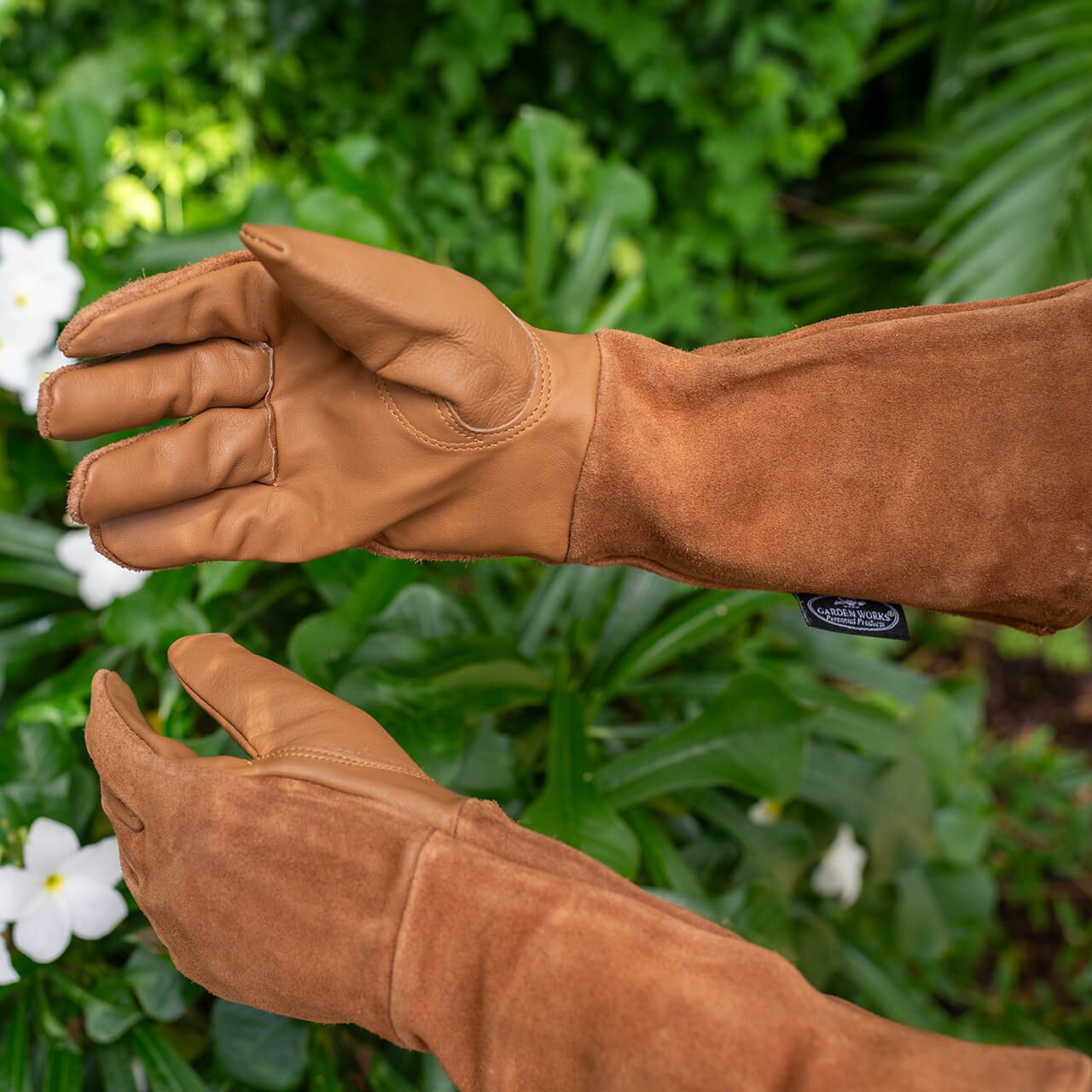
The forearm exposure problem in rose pruning has one reliable solution: gauntlet-style gloves that extend well past the wrist. A gauntlet that reaches four to six inches up the forearm covers the area most likely to encounter raking thorn contact during pruning and provides meaningful protection that a wrist-length glove simply cannot.
Beyond the obvious protection benefit, an extended cuff also keeps debris — small thorns, leaves, and bits of cut cane — from falling into the glove during work, which is a minor but genuinely irritating problem with shorter gloves in dense rose bushes.
The length of the gauntlet matters. Some gloves marketed as gauntlet style extend only an inch or two past the wrist, which provides limited additional coverage. For serious rose work — particularly climbing roses, mature shrub roses, or species roses with aggressive thorning — look for gloves that extend at least four inches past the wrist, and preferably more.
Material That Balances Protection and Dexterity
Leather remains the gold standard for thorn protection, and within leather, goatskin is the material that best balances the competing demands of protection and dexterity.
Goatskin is naturally tough — tougher than its supple feel suggests — and its tight grain structure provides real resistance to thorn penetration while remaining soft and flexible enough that hand movement stays reasonably natural. It molds to the hand over time, improving both fit and dexterity as it breaks in. A quality goatskin glove used regularly for a season becomes genuinely comfortable in a way that a stiff cowhide glove often never quite achieves.
Cowhide is tougher than goatskin but significantly stiffer, which reduces dexterity more than most rose pruners are willing to accept. It’s the right material for clearing brambles or working with hawthorn, where maximum protection takes precedence over fine motor work — but for the detailed cuts that good rose pruning requires, goatskin is the better compromise.
Reinforced synthetic leather gloves have improved considerably and some perform comparably to natural leather for thorn resistance. Their advantage is often cost and sometimes waterproofing — a leather glove handles wet conditions poorly, while some synthetic options resist moisture better. Quality varies more widely in synthetic options than in natural leather, so reviews and construction details matter more when evaluating them.
Secure, Comfortable Fit at the Hand
Dexterity during pruning depends heavily on how well the glove fits, and fit in a thorn-protection glove is complicated by the material thickness that protection requires.
The goal is a glove that fits snugly through the palm and fingers without restricting circulation or making the hand tire quickly from working against the resistance of a tight fit. Fingers should reach the end of the glove comfortably — fingertips crammed into short finger sections, or excess material folding over at the tip, both compromise the precision that pruning requires.
Try gloves on if possible, and test the range of motion by mimicking the hand positions you use during pruning — gripping shear handles, reaching forward, closing the hand around a cane. A glove that restricts any of these movements significantly will slow your work and tire your hands more quickly than necessary.
The Best Garden Gloves for Rose Pruning and Thorn Protection

1. OZERO Leather Rose Pruning Gloves — Best Natural Leather Option
For gardeners who prefer natural materials and want a glove that improves with use, the OZERO leather rose pruning gloves are among the best available in their category. Made from genuine goatskin leather with an extended gauntlet cuff, they provide the kind of durable, reliable thorn protection that natural leather has offered rose gardeners for generations — refined into a glove that fits and performs better than most traditional leather options.
The goatskin construction is supple from the start — softer and more flexible than cowhide alternatives — and it breaks in further over the first few sessions of use, conforming to the shape of your hand and becoming genuinely comfortable in a way that initially stiff gloves never quite manage. The thorn resistance is real and reliable, and the extended cuff protects the forearm during reaching and training work.
The limitation, as with all leather gloves, is moisture. Wet conditions stiffen the leather and reduce dexterity — if you’re pruning after rain or working with wet canes, the performance of these gloves is somewhat compromised. For dry-condition rose work, they are excellent. For wet conditions, a synthetic alternative performs more consistently.
2. Exemplary Gardens Rose Pruning Gloves — Best for Climbing Roses and Long Canes
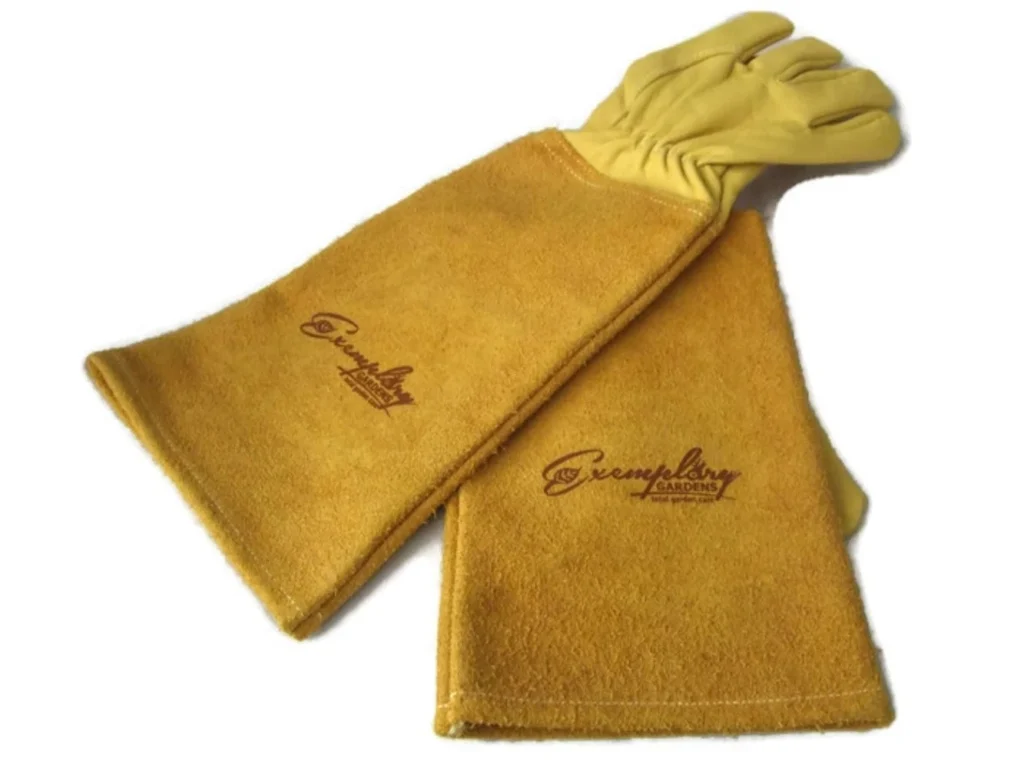
Climbing roses present a specific challenge that most rose pruning gloves aren’t fully designed for. The canes are long, often ten feet or more, and the thorns run their entire length. Training, tying, and pruning a climbing rose requires reaching, extending, and working at angles that bring forearms into contact with thorned canes across a much larger area than shrub rose pruning does.
The Exemplary Gardens gloves address this with a gauntlet cuff that extends significantly further up the forearm than most competitors — reaching toward the elbow rather than just past the wrist. This extra coverage makes a material difference when you’re working with long, whippy climbing rose canes that rake across your arm as you maneuver them.
The thorn resistance through the hand and lower arm is solid, and the fit is comfortable for sustained pruning sessions. The extended cuff is slightly stiffer than the hand portion of the glove, which limits forearm flexibility to some degree — but given that the cuff’s purpose is protection rather than precise movement, this is an entirely acceptable trade-off.
If climbing roses are a significant part of your garden, the extra arm coverage these gloves provide is worth the specific investment.
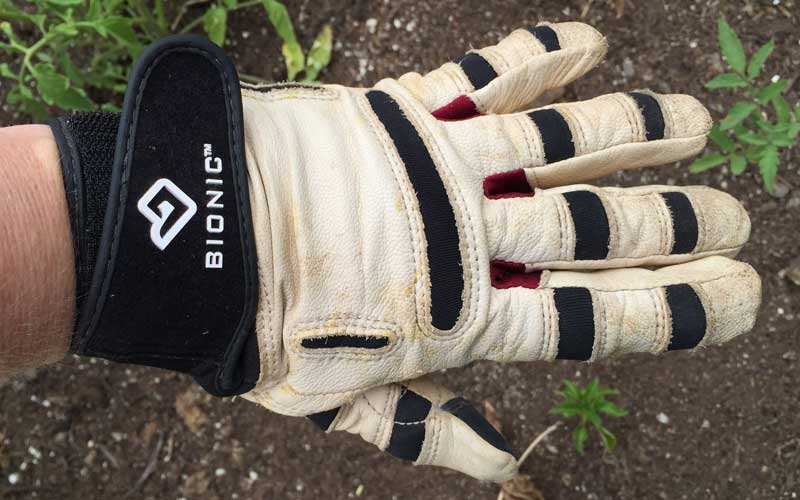
3. Bionic Relief Grip Gardening Gloves — Best for Extended Pruning Sessions
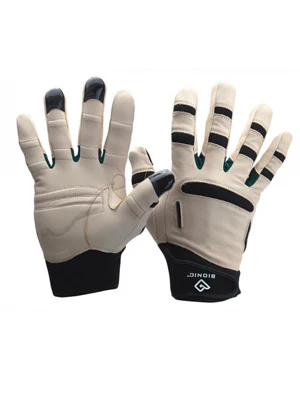
Rose pruning on a large garden is not a thirty-minute task. It can run to several hours across multiple sessions, and the sustained gripping, cutting, and maneuvering involved generates significant hand fatigue over time — particularly in the palm and at the base of the fingers where pruning shear handles concentrate pressure.
The Bionic Relief Grip gloves are designed specifically to address this. The ergonomic construction includes anatomical padding positioned to reduce the pressure points that develop during repetitive gripping, and the pre-rotated finger positioning allows the hand to rest in a more natural orientation during tool use. Over the course of a long pruning session, these design features reduce fatigue noticeably compared to conventionally constructed gloves.
The thorn resistance is solid for regular shrub roses — adequate for most pruning situations, though not as heavily armored as the Pine Tree Tools or OZERO leather options for very aggressive thorns. If your rose pruning involves sustained sessions on manageable roses rather than fighting through particularly fierce canes, the comfort advantage of these gloves is a genuinely meaningful benefit.
4. Fortem Thorn Proof Gardening Gloves — Best for Species Roses and Wild Growth
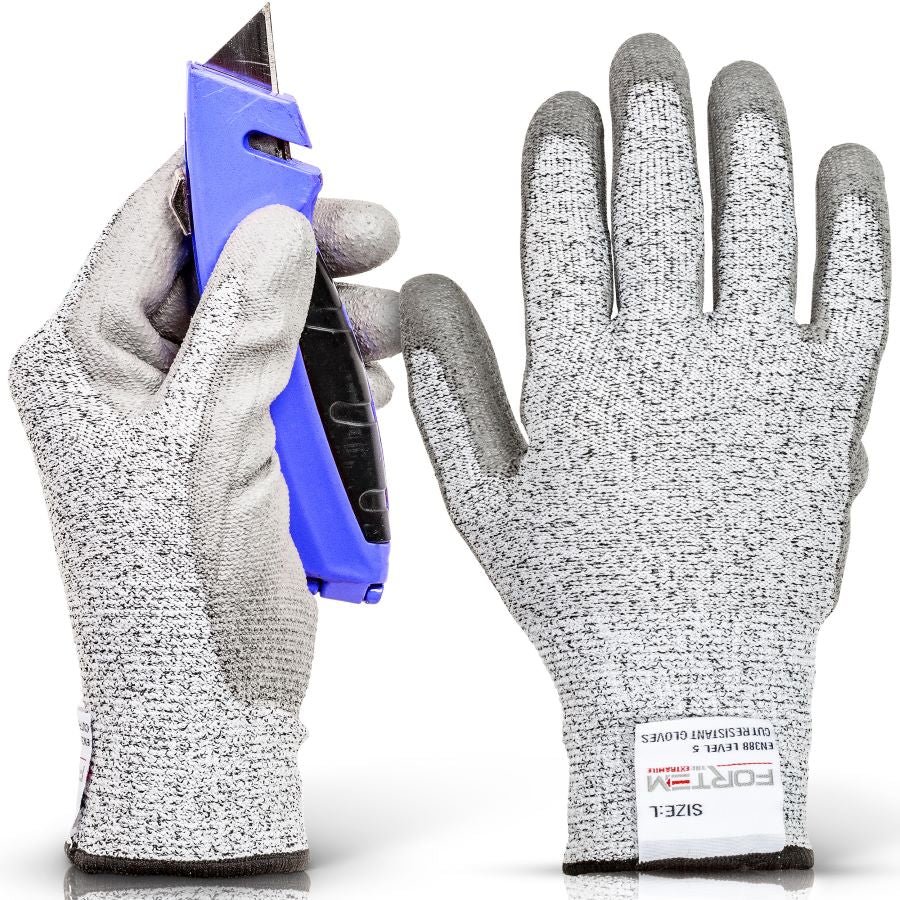
Species roses — Rosa rugosa, Rosa canina, and their relatives — are a different proposition from hybrid tea and floribunda roses. Their thorns are denser, harder, and in many cases significantly more aggressive than those of cultivated varieties. Working with species roses, or clearing areas where wild rose has established itself, requires protection that lighter thorn-resistant gloves often cannot reliably provide.
The Fortem thorn-proof gloves are built for this kind of demanding work. The reinforced synthetic construction is thicker and more heavily armored than most rose pruning gloves, and the forearm coverage extends well up the arm. They stop the kind of dense, aggressive thorning that defeats lighter gloves consistently and without complaint.
The trade-off is dexterity. These are protective gloves first and dexterous gloves second, and the precision required for careful cultivated rose pruning is somewhat compromised by the material thickness. For species roses, aggressive rugosas, or clearing established wild rose growth where protection takes clear precedence, they are the right tool. For delicate pruning of hybrid teas, they are more glove than the job requires.
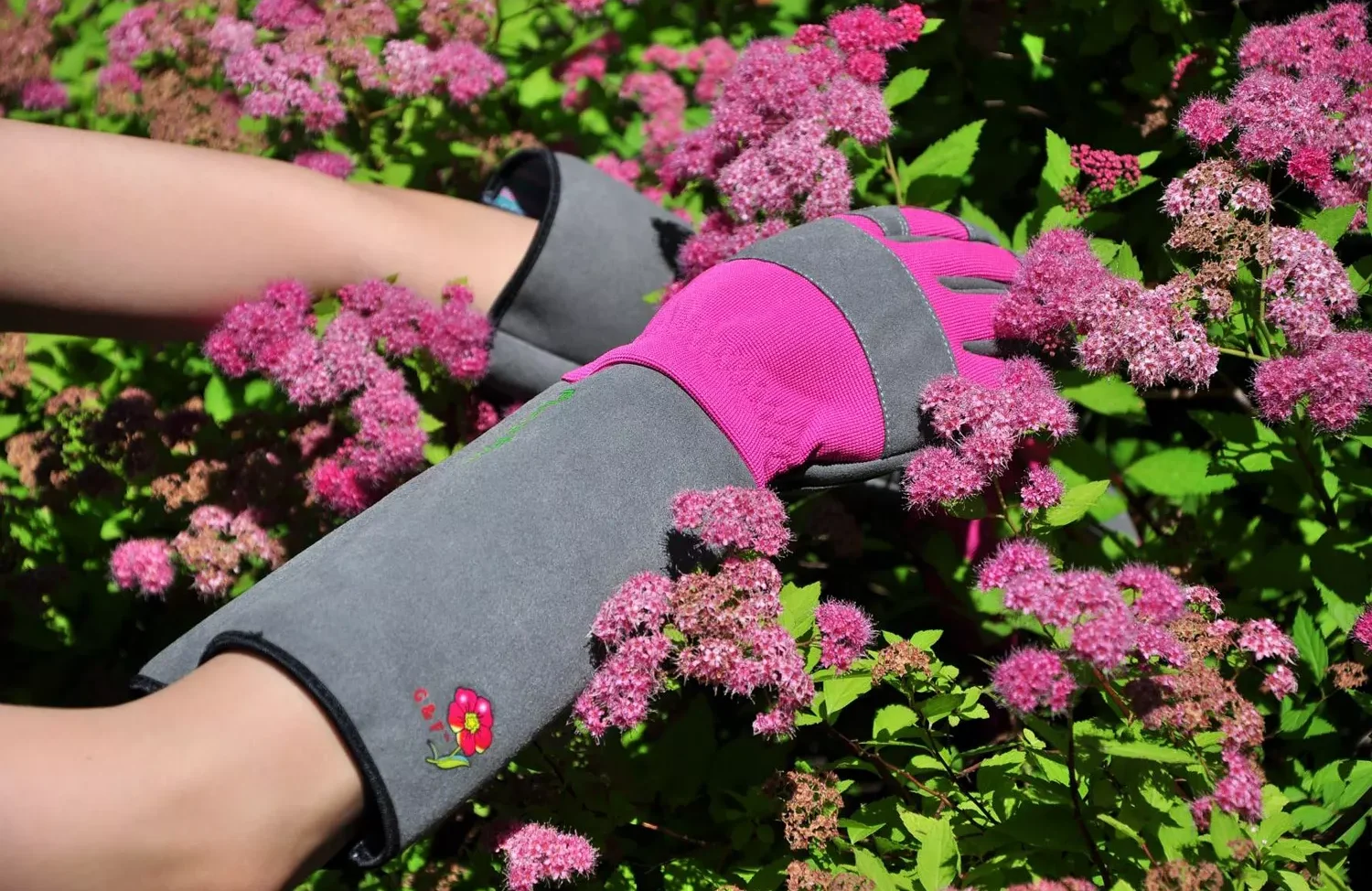
5. G & F Products Women’s Thorn Resistant Gloves — Best Fit for Smaller Hands
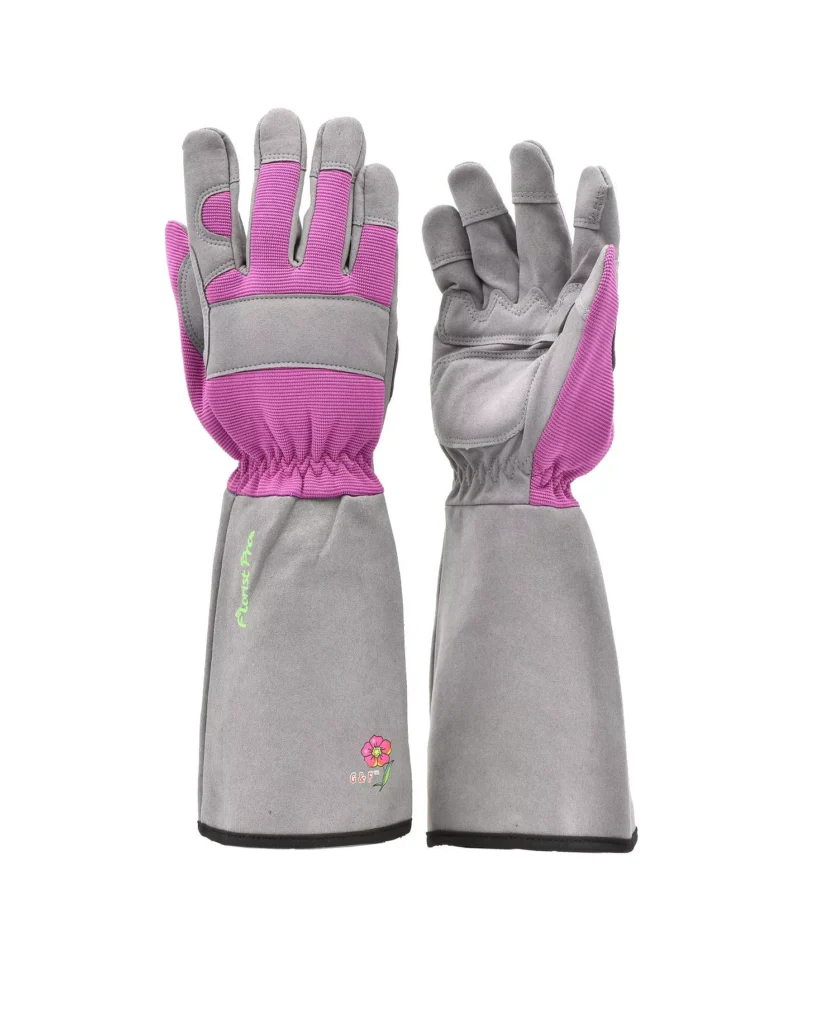
The fit problem in thorn protection gloves is particularly acute because the materials involved — leather and heavy synthetics — don’t accommodate hand size variation as graciously as knit-backed nitrile gloves do. A thorn-proof glove that’s too large doesn’t just reduce dexterity — it creates gaps at the fingertips and wrist where thorns can find unprotected skin, which defeats the entire purpose.
The G & F Products women’s thorn resistant gloves are among the better options for gardeners whose hands don’t fit standard sizing well. The proportions through the fingers and palm are calibrated for smaller hands, and the resulting fit gives the snug, precise contact that both dexterity and protection require. The thorn resistance is solid for regular rose pruning, and the gauntlet cuff provides reasonable forearm coverage.
If you have struggled to find thorn-proof gloves that fit well enough to be genuinely useful — and many gardeners with smaller hands have, repeatedly — these are worth trying specifically because the fit is better than most alternatives in this category.
6. Leather Gauntlet Rose Gloves by Rostaing — Best for Complete Arm Protection
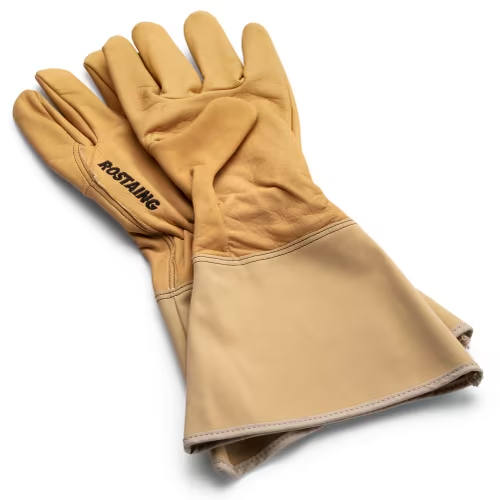
Rostaing is a French manufacturer with a long history of producing specialist protective gardening gloves, and their leather gauntlet rose gloves represent the most comprehensive arm protection available in a gardening-specific product. The combination of thick leather construction through the hand and a long, stiff gauntlet that extends well up the forearm provides protection that covers virtually every area that rose pruning exposes.
These are the gloves for serious rose gardeners who have accepted that maximum protection is the priority and are willing to work within the dexterity limitations that priority imposes. They are not the right choice for delicate deadheading or precise pruning of young plants — the leather is thick and takes time to break in, and the gauntlet restricts forearm movement more than lighter options.
But for training mature climbing roses, working through dense established shrub roses, or tackling any rose-related task where the thorns are serious and the exposure is significant, the Rostaing gauntlet gloves provide a level of coverage and confidence that nothing lighter quite matches.
Caring for Your Rose Pruning Gloves
Rose pruning gloves work hard in demanding conditions, and the care you give them between sessions determines how long they remain effective.
For leather gloves, wipe off soil and plant debris after each use before it dries and stiffens in the material. Apply a quality leather conditioner — not shoe polish, which can alter the surface texture and grip, but a dedicated leather conditioner — regularly throughout the season. This keeps the leather supple, prevents surface cracking, and maintains the flexibility that dexterity requires. Store leather gloves away from direct heat and sunlight, which dry the leather and accelerate cracking regardless of how well they are conditioned.
Never force leather gloves to dry quickly near a heat source after they’ve gotten wet. The rapid moisture loss causes the leather to stiffen and distort, which permanently compromises both fit and flexibility. Let them dry slowly and naturally, stuffed lightly with newspaper if needed to help them hold their shape.
For synthetic thorn-resistant gloves, a rinse after each session removes the plant sap, soil, and debris that accumulate during pruning work. Dry them thoroughly before storing — trapped moisture in the liner degrades the material over time and creates the conditions for unpleasant odors. Keep them out of prolonged sunlight, which breaks down synthetic materials faster than most gardeners expect.
Inspect the fingertips and palm area regularly for signs of wear. A thorn-protection glove that has worn thin in these areas no longer provides the protection it was designed for — it looks like a glove, it feels like a glove, but it fails like a worn one. Replace before wear reaches the point of failure rather than after a thorn reminds you that the protection is gone.
Final Thoughts
Roses reward the gardener who tends them well, and tending them well requires working with them directly — pruning, training, deadheading, shaping — in ways that bring your hands into sustained contact with some of the most effective natural defenses in the plant kingdom. The best garden gloves for rose pruning and thorn protection make that work possible without making it painful.
Start with the Pine Tree Tools Bramble Gloves for reliable all-around performance that balances genuine protection with workable dexterity. Choose the OZERO leather option if you prefer natural materials and do most of your pruning in dry conditions. Invest in the Exemplary Gardens long-gauntlet option if climbing roses are a significant part of your garden. Match the weight and protection level of your glove to the specific roses and tasks you face most regularly.
And take care of whichever pair you choose. A well-maintained rose pruning glove lasts multiple seasons and becomes, over time, a familiar and trusted tool — broken in to the shape of your hand, reliable in its protection, and present every time you reach into the roses and do what rose gardeners do: tend something beautiful, carefully, with your own hands.
Your roses deserve that attention. So do your hands.