Best Garden Gloves for Digging (That Don’t Wear Out Mid-Job)
Digging is where most gardening gloves break down.
It’s not just about dirt — it’s pressure, friction, and repetition. Gripping tools, breaking soil, pulling roots, and moving material all put constant stress on the palms and fingertips. Gloves that work fine for light gardening often wear through quickly once digging becomes the main task.
The best gloves for digging prioritize durability and grip over flexibility. You need something that can handle sustained use without thinning out or losing control on tool handles.
If you want a full breakdown of glove materials and coatings first:
→ /how-to-choose-garden-gloves/
Quick Picks:
- Best Overall: Wells Lamont HydraHyde Leather
- Best for Heavy Ground: Ironclad Ranchworx
- Best for Light Digging: Gorilla Grip Nitrile
- Best Budget: Firm Grip General Purpose
What Makes a Good Digging Glove
Digging puts more stress on gloves than almost any other garden task.
- Durability: Palms and fingertips take constant abrasion
- Grip: Secure hold on tools matters more than bare-hand feel
- Protection: Thicker materials reduce fatigue and hotspots
- Fit: Loose gloves reduce control under load
Leather and reinforced synthetic palms perform best here. Thin coatings that work well for weeding tend to wear out quickly under digging pressure.
What Digging Actually Does to Gloves
Understanding the specific stresses of digging helps explain what to look for.
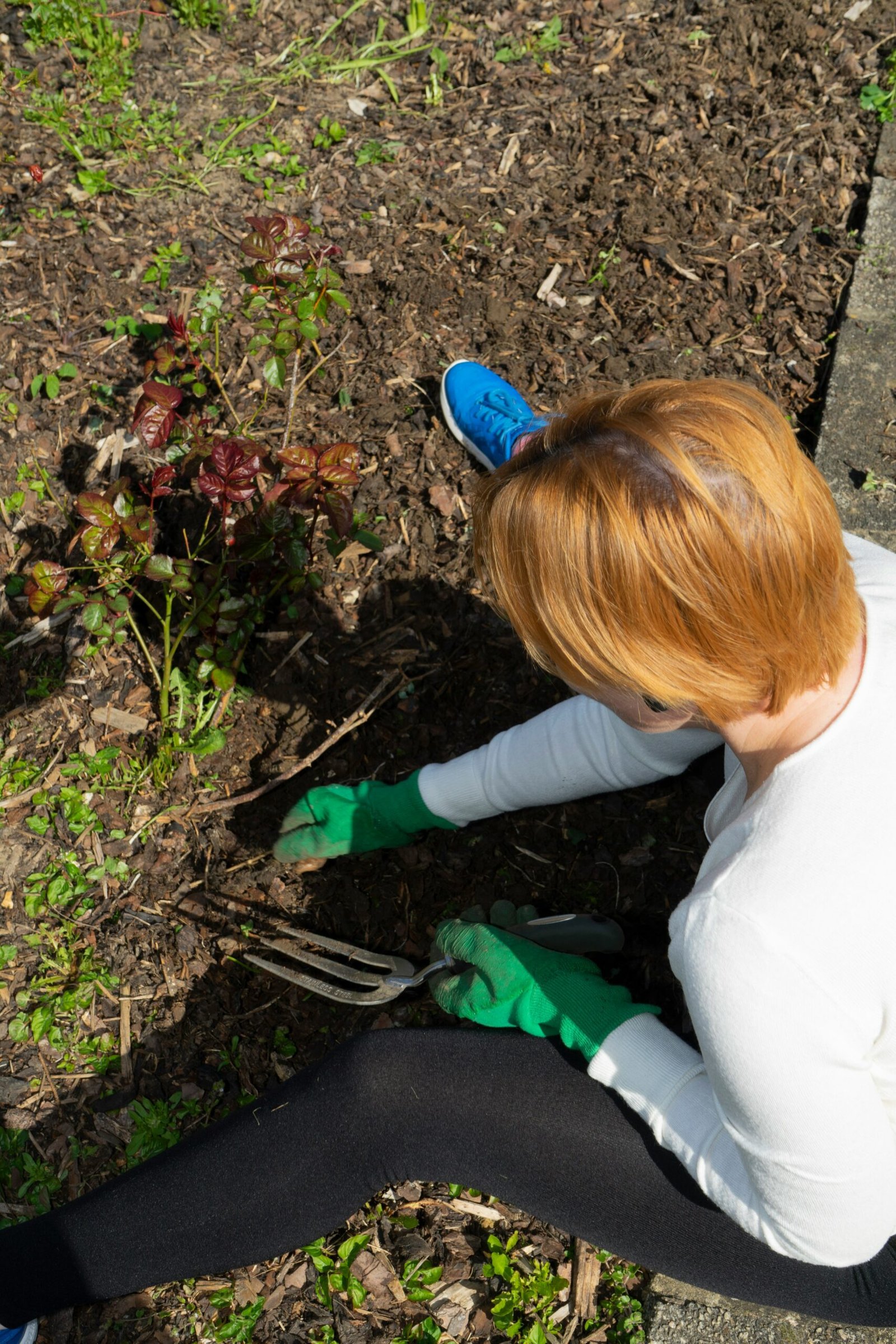
Palm abrasion from tool handles. Every time you grip a spade or trowel, the handle presses into your palm. Over the course of an hour of digging that’s thousands of repetitions of friction and pressure. Light materials thin out at the palm and eventually wear through entirely. Reinforced palms handle this; thin fabric doesn’t.
Fingertip pressure and stone contact. When you’re working in rough or stony ground, fingers encounter sharp edges constantly — picking out stones, clearing roots, working around underground obstacles. Reinforced fingertips protect against the sharp impacts that thin material lets through.
Rotational grip stress. A spade handle constantly tries to rotate in your grip during use, especially when you’re levering soil or twisting to move material. This creates a different kind of wear than straight abrasion — it twists and stresses the glove structure repeatedly. A glove that’s fine under straightforward pressure can fail under this rotational stress.
Soil ingress. Every time you push a spade down and pull it back, the movement draws air and soil into loose-wristed gloves. After a few minutes you’re shaking grit out constantly — distracting, uncomfortable, and abrasive to the fabric from the inside. This is particularly dangerous if you have small cuts, as noted in this Ohio State gardening safety guide.
What to Look For
Reinforced palms. Non-negotiable for serious digging. Extra leather, rubber, or synthetic reinforcement over the palm and inner thumb is what protects against the grinding friction of tool handles. This is where gloves wear through first and where the right material makes the biggest difference.
A secure wrist closure. Elastic or fitted wrist keeps the glove positioned properly and stops soil pouring in during work. It sounds minor until you’ve spent a session constantly stopping to shake grit out of your gloves.
Grip surface that works when damp. Soil is rarely completely dry. A textured palm coating maintains purchase on tool handles even when things are slightly wet — smooth surfaces slip and make you work harder to compensate, which is exactly how blisters develop.
Flexibility through the fingers. Protection and dexterity exist in tension in digging gloves. Too stiff and the glove works against you, making every movement an effort. The best digging gloves find the balance — tough enough to protect, flexible enough to use tools naturally.
Correct fit. Loose gloves bunch and twist in your grip during digging, creating hotspots in the wrong places. Snug fit maintains the protection where it’s needed and eliminates the bunching that causes blisters even through good material.
The Gloves Worth Using
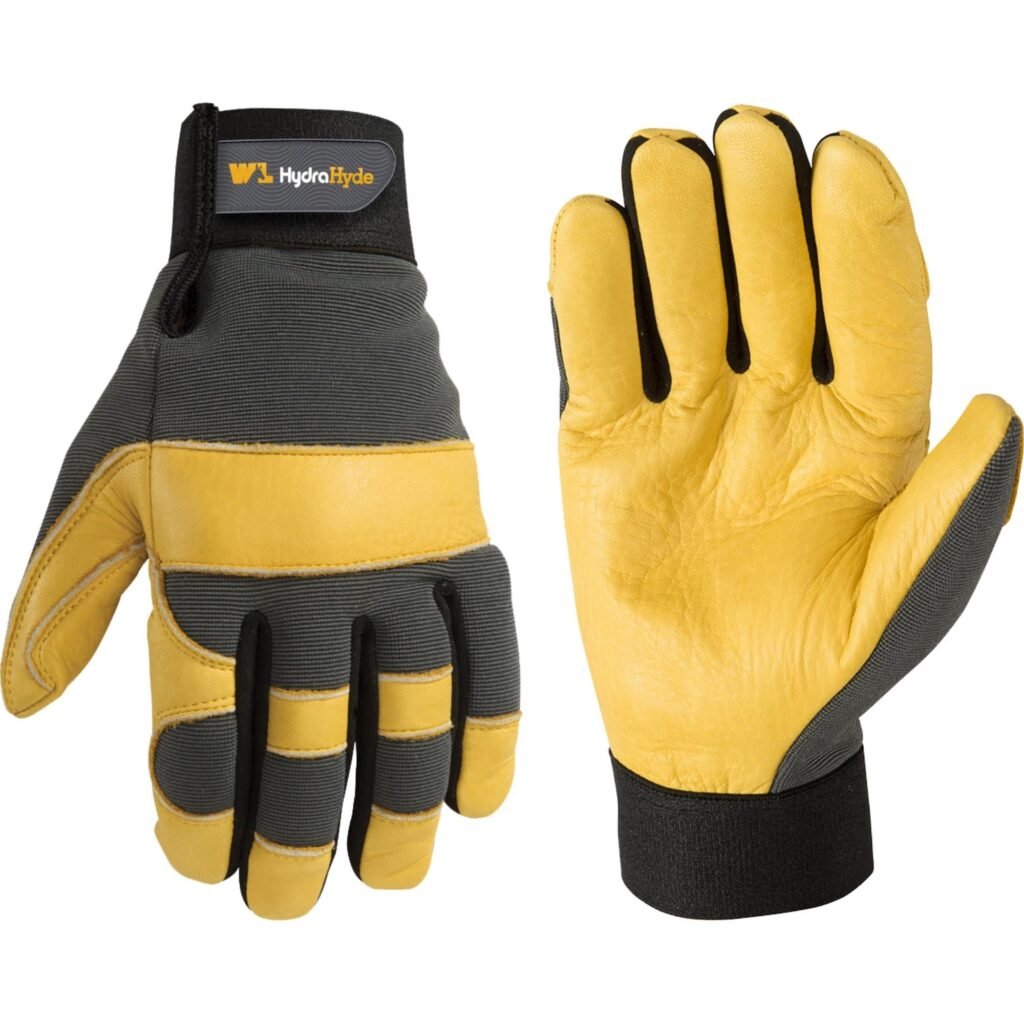
Wells Lamont HydraHyde Leather Gloves
Best Overall for Digging
Best for: regular digging, bed preparation, sustained garden work
Not for: lightweight planting where flexibility matters more than durability
This is the most balanced digging glove in your current lineup. The HydraHyde-treated leather holds up extremely well under repeated friction from tool handles, which is where most gloves fail first. Instead of thinning at the palm or splitting at stress points, it maintains structure over time.
What makes this glove stand out is consistency. It doesn’t try to specialize — it simply performs well across the full range of digging tasks, from turning soil to clearing roots. The leather breaks in gradually, improving comfort rather than degrading.
The water-resistant treatment also gives it an edge in real garden conditions, where soil is rarely perfectly dry.
Best use case: go-to glove for regular digging sessions where durability and reliability matter more than finesse.
Ironclad Ranchworx Work Gloves
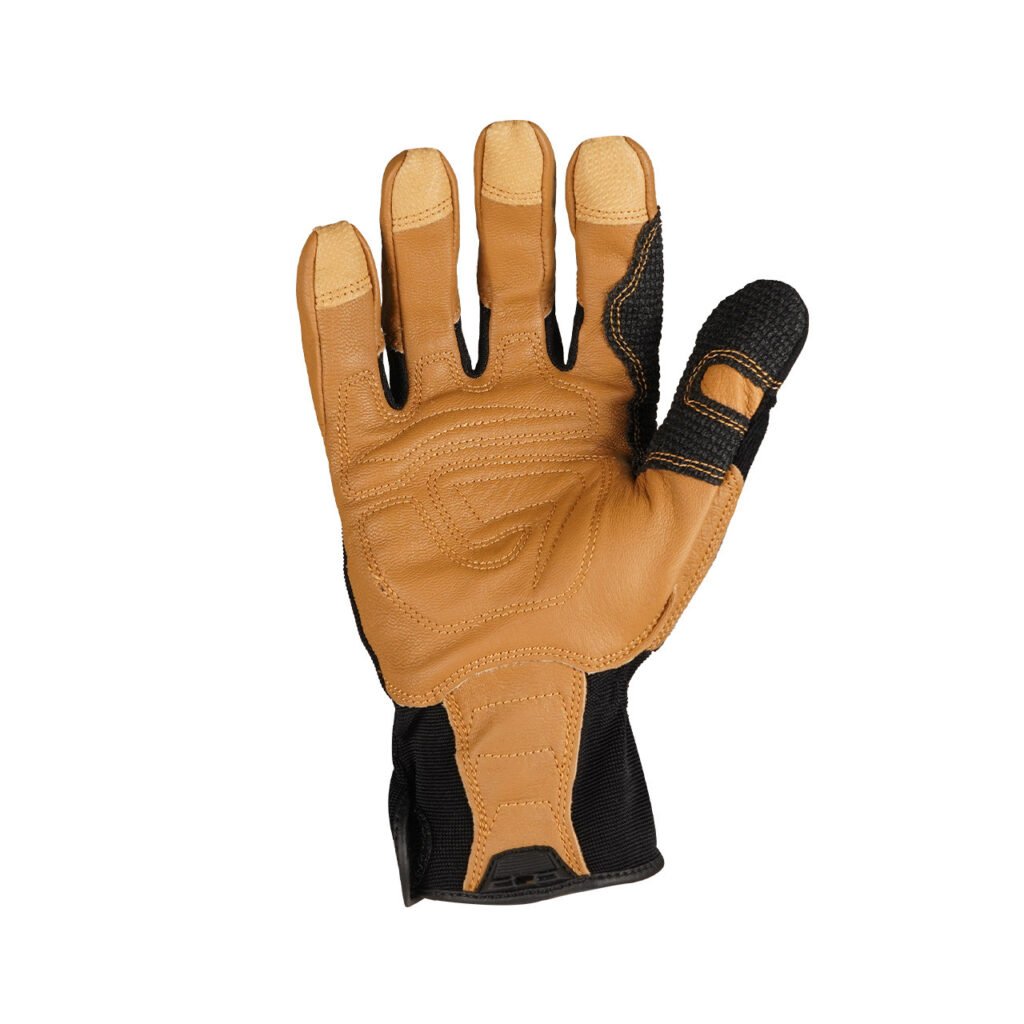
Best for Heavy Ground and Tough Conditions
Best for: compacted soil, rocky ground, heavy clearing work
Not for: light digging or precision planting where flexibility is more important
When the ground is genuinely difficult, this is where standard gloves start to fail. The Ironclad Ranchworx is built for sustained abrasion and impact — the kind of work that comes with breaking new ground, working through clay, or dealing with stony soil.
The reinforced fingertips and heavier construction protect against sharp contact and repeated pressure, which makes a noticeable difference during longer sessions. Where lighter gloves wear down quickly or transmit too much force into your hands, these absorb more of that stress.
They are heavier and less flexible than everyday gloves, which is exactly the trade-off. You’re gaining durability and protection at the cost of finesse.
Best use case: difficult digging conditions where durability and protection matter more than comfort or dexterity.
Gorilla Grip Nitrile Coated Gloves — Best for Light Digging in Prepared Beds
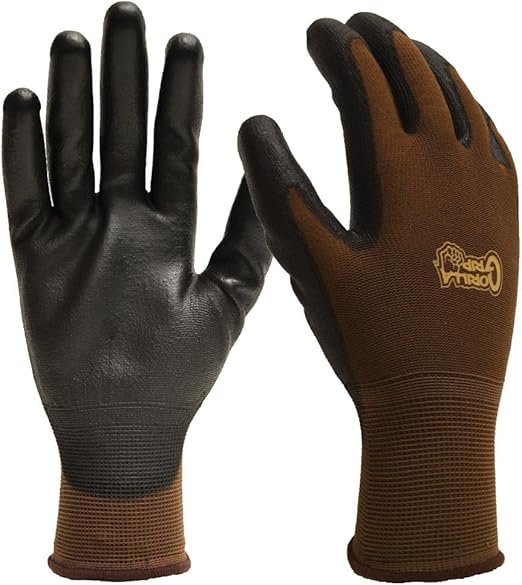
Best for: light digging, planting, and working in already-prepared soil
Not for: repeated heavy digging or rough ground where leather holds up better
Not every digging session needs a heavy leather glove. If you’re planting into loose soil, opening small holes, or mixing digging with more detailed garden work, a nitrile-coated glove is usually more comfortable and more practical.
The Gorilla Grip works well in that middle ground. It gives you enough grip for damp soil and tool handles, while staying flexible enough for lighter tasks that would feel clumsy in a thicker glove. That makes it especially useful when you’re moving between digging, planting, and general cleanup in the same session.
The trade-off is durability. Under sustained digging pressure, nitrile will wear faster than leather. But for prepared beds and lighter work, that trade-off is worth it.
Best use case: light digging and planting in loose, worked soil where flexibility matters as much as grip.
Firm Grip General Purpose Gloves — Best Budget Option for Digging
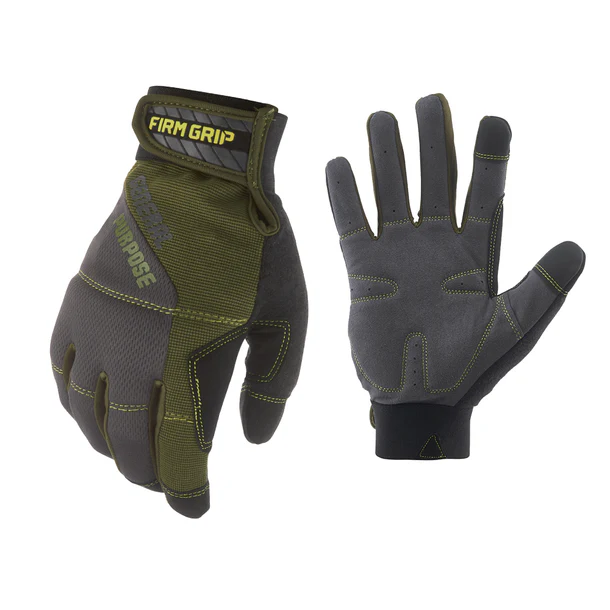
Best for: occasional digging, general yard work, and entry-level use
Not for: sustained heavy digging where durability becomes critical
If digging is something you do occasionally rather than regularly, there’s no need to over-invest. The Firm Grip gloves cover the basics well — decent grip, comfortable fit, and enough protection for moderate soil work.
They won’t hold up the same way leather or reinforced gloves do under repeated stress, but that’s not what they’re designed for. For weekend gardening, small projects, and lighter digging sessions, they perform reliably without overcomplicating things.
The biggest advantage here is accessibility. These are easy to find locally, inexpensive, and good enough to get through a full season of moderate use.
Best use case: casual digging and general garden work where affordability and convenience matter most.
Quick tip: Digging wears gloves down faster than almost any other garden task. If it’s something you do regularly, it’s worth having a dedicated pair rather than using your general gardening gloves.
The Bottom Line
Good digging gloves protect your palms, grip your tools reliably, keep soil out, and last through real work. Match the weight of glove to the difficulty of the work — leather for serious sessions, nitrile for lighter ones — and you’ll find digging considerably more comfortable than it is with the wrong pair.
Your hands are the most important tools in the garden. Look after them.
If you’re unsure where to start, the Wells Lamont HydraHyde is the most reliable all-around choice. It offers the best balance of durability, grip, and long-term performance.
For tougher ground, step up to the Ironclad Ranchworx. And if you’re working mostly in prepared soil, a flexible option like the Gorilla Grip will be more comfortable.
Related Guides
- /how-to-choose-garden-gloves/
- /best-garden-gloves-for-weeding/
- /best-leather-gardening-gloves/
- /best-waterproof-gardening-gloves/