Best Garden Gloves for Weeding (That Actually Hold Up)
Weeding is where most gardening gloves fail.
It’s repetitive, abrasive, and often done in less-than-ideal conditions — damp soil, compacted roots, stubborn weeds that don’t pull cleanly. Gloves that feel fine for light planting start to break down quickly when you’re pulling weeds for an hour straight.
The best gloves for weeding aren’t the thickest or most protective. They’re the ones that balance grip, flexibility, and durability — letting you grab roots cleanly without losing control or wearing through the fingertips.
If you want a full breakdown of glove materials and coatings first:
→ /how-to-choose-garden-gloves/
Quick Picks:
- Best for Most People: Showa 370 Nitrile Foam
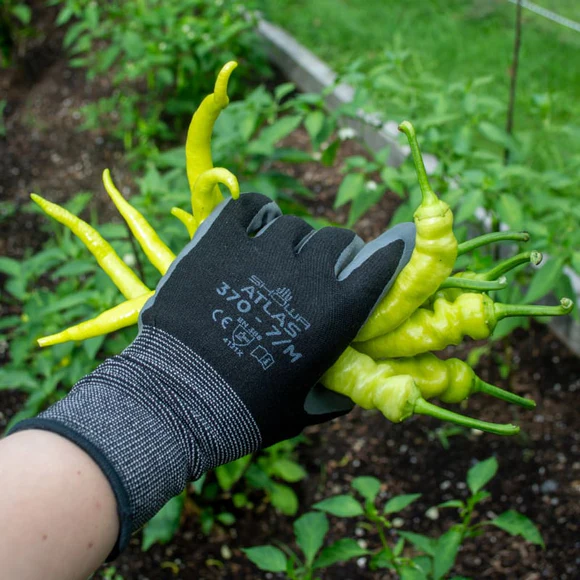
- Best for Wet Soil: Atlas 370 Nitrile
- Best Budget Option: Wells Lamont Nitrile
- Best for Tough Weeds: Mechanix Wear Original
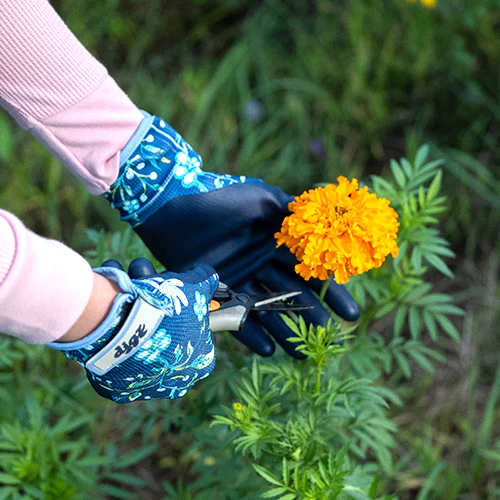
- Best for Smaller Hands: Digz Women’s Gloves
What Makes a Good Weeding Glove
Weeding puts very specific demands on a glove:
- Grip: You need traction on roots, stems, and damp soil
- Dexterity: You’re working close to the ground and around plants
- Durability: Fingertips take the most abuse
- Breathability: Long sessions = heat buildup
Foam nitrile coatings consistently perform best here. They maintain grip even when wet and don’t sacrifice flexibility the way thicker gloves do.
Why the Best Garden Gloves for Weeding Are a Category of Their Own
It’s tempting to think a glove is a glove. You’ve got a pair in the shed, they fit well enough, and they’ve handled planting and general digging without complaint — so surely they’ll handle weeding too.
Sometimes they will. But weeding places specific demands on a glove that general gardening tasks don’t, and a glove that performs well for planting or pruning can fall short surprisingly quickly when it’s doing weed-pulling work day after day.
Here’s why weeding is different.
It’s sustained and repetitive. Planting a row of seedlings takes focused attention for a relatively short burst. Weeding a garden bed — really weeding it, getting down into the soil and pulling roots rather than just snapping stems at the surface — can go on for an hour or two without pause. That sustained repetition generates heat, moisture, and concentrated wear in specific areas of the glove, particularly the fingertips and palm, in a way that most other gardening tasks don’t.
It demands grip above almost everything else. The fundamental motion of weeding — grasping a weed stem or root and pulling with controlled force — requires reliable grip every single time. A glove that slips, bunches at the fingertips, or loses its grip coating after a few sessions makes weeding significantly harder and less effective. You end up breaking stems at the surface instead of extracting roots, which means the weed is back within the week.
It involves soil constantly. Some gardening tasks keep you relatively clean. Weeding does not. You’re in the soil continuously — hands pressing into the ground, fingers working around roots, palms dragging across rough surfaces. A glove that isn’t designed for this level of soil contact wears through quickly and becomes uncomfortable as soil works its way into the fabric and stiffens the material.
It requires dexterity. You need to feel what your hands are doing. Pulling a weed from among a cluster of plants you want to keep requires precision — identifying the right stem, getting your fingers around it without disturbing its neighbors, and pulling in the right direction. A glove so thick and stiff that it eliminates tactile feedback turns a precise task into a guessing game.
Understanding these demands makes it much easier to evaluate which gloves are genuinely suited for weeding and which ones just happen to be nearby when you need them.
What to Look for in a Weeding Glove
Grip That Holds Up Over Time
The grip coating on a weeding glove takes more punishment than on almost any other gardening glove, simply because of how much contact it has with rough surfaces, gritty soil, and plant stems over a long session.
Nitrile is the most reliable coating material for weeding gloves. It’s durable, maintains grip in both dry and damp conditions, and resists abrasion better than latex over extended use. A textured nitrile surface — one with a pattern or raised texture rather than a smooth finish — grips weed stems more effectively and holds up longer before the surface wears smooth.
What to avoid: gloves with a thin, smooth coating that looks grippy in the store but loses its surface texture within a few sessions. You can often tell by feeling the palm — if it feels plasticky and slick rather than slightly textured and tacky, the grip won’t last.
Fingertip Sensitivity and Dexterity
Good weeding requires you to feel what you’re doing. The fingertips of a weeding glove are where this matters most — they’re the part of the glove that makes first contact with stems, roots, and soil, and they need to convey enough information to your hands that you can work precisely.
Thin-coated fingertips are better than thick ones for this purpose. Some gloves apply a heavier coating to the palm for durability and a thinner coating to the fingertips for sensitivity — this is an intelligent design for weeding gloves specifically, and worth looking for.
Gloves that are bulky or heavily padded at the fingertips reduce your ability to feel what you’re working with, which slows you down and increases the chance of grabbing the wrong plant or missing a root entirely.
A Snug, Secure Fit
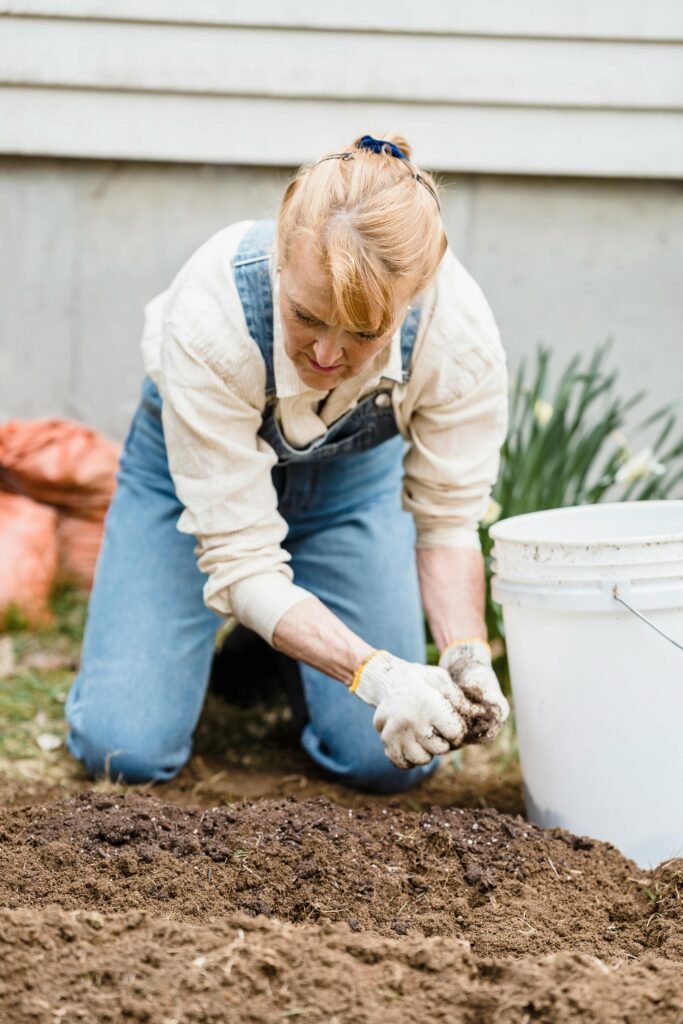
Loose gloves are the enemy of effective weeding. When a glove fits poorly, excess material at the fingertips bunches up, folds against the stem you’re trying to grip, and gets in the way of precise work. A glove that fits snugly — not tightly, but snugly — moves with your hand rather than around it.
Pay particular attention to the finger length and the wrist closure. Fingers that are too long in the glove fold over at the tips, which is immediately frustrating. A wrist closure that’s too loose lets soil in constantly, which becomes genuinely uncomfortable over a long weeding session as grit works its way down into the glove.
Breathability for Long Sessions
Weeding takes time. An hour, often two, sometimes more if you’ve let things get away from you over a busy week. During that time, your hands are working continuously, and a glove that doesn’t breathe will become hot and uncomfortable well before the job is done.
A fabric or knit backing on the hand — combined with a coated palm for protection — is the right balance for most weeding conditions. The palm stays protected and grippy, while the back of the hand breathes freely. Fully dipped or rubber gloves are too warm for extended weeding sessions in all but the wettest conditions.
Durability at the Fingertips and Palm
These are the two areas where weeding gloves fail first, and the quality of the coating in these specific spots is what separates a weeding glove that lasts a season from one that’s worn through in a month.
Run your fingers across the palm and fingertip coating of any glove you’re considering. It should feel substantial — not papery or thin. Squeeze the fingertips and feel how the coating responds. A good coating bounces back; a cheap one creases and stays creased, which is a sign it will crack and flake under repeated use.
The Best Garden Gloves for Weeding
1. Showa 370 Nitrile Grip Gloves — Best Overall Weeding Glove
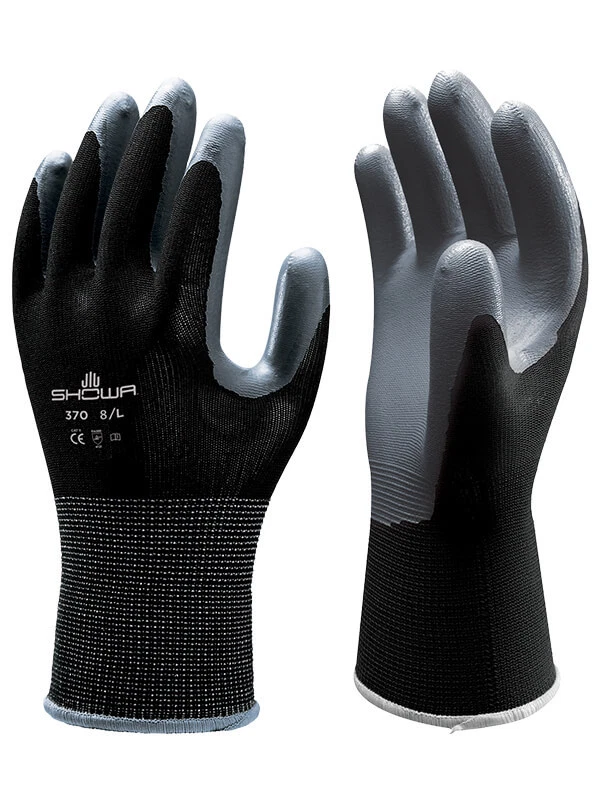
If you ask experienced gardeners what they actually wear for weeding — not what they’d recommend from a catalog, but what’s on their own hands when they’re out in the beds — the Showa 370 comes up more than almost anything else. And it’s easy to understand why.
The nitrile coating is applied in a foam finish that creates a slightly spongy, highly tactile surface with exceptional grip on wet and dry stems alike. This isn’t a smooth, plasticky coating that looks grippy but performs otherwise — the foam nitrile surface genuinely holds onto weed stems and maintains that grip session after session without wearing smooth.
The fit is excellent. The gloves run true to size with a snug feel at the fingertips that gives you real dexterity for precise weeding among plants you want to keep. The fabric backing breathes well enough for long sessions in moderate temperatures, and the overall construction feels more substantial than the price suggests.
They’re not the most heavily armored glove on the market, and they won’t stop a serious thorn. But for weeding — which is the task we’re talking about — they’re as close to a perfect tool as gardening gloves get.
2. Wells Lamont Nitrile Foam Coated Gloves — Best for Wet Soil Weeding
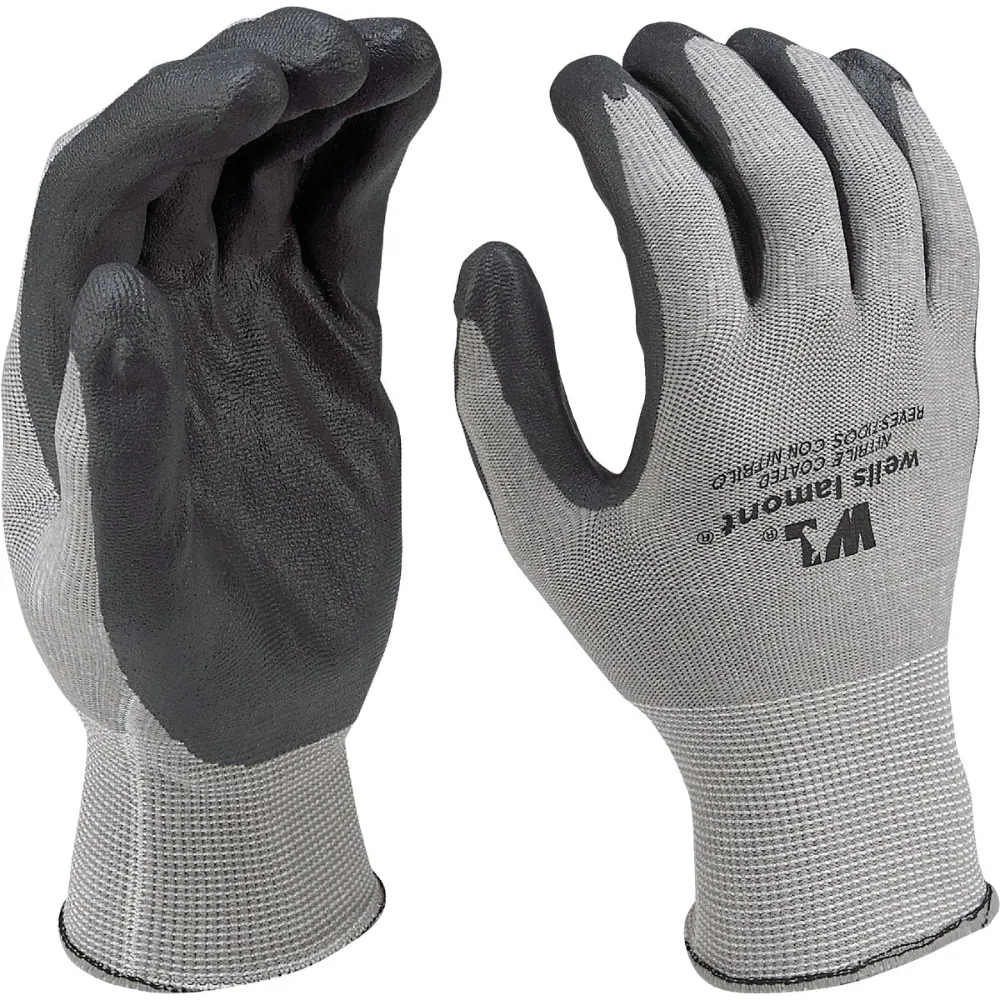
If your garden beds stay damp — from rain, from irrigation, from heavy clay soil that holds moisture long after the surface dries — you need a glove that performs in conditions that would make a regular fabric glove soggy and unpleasant within minutes.
The Wells Lamont nitrile foam gloves handle wet conditions better than most gloves in their category. The nitrile foam coating maintains grip on wet stems without becoming slippery, and the coating is substantial enough to resist the moisture that comes from working in consistently damp soil.
They breathe reasonably well for a glove with this level of coating, which means you’re not trading waterlogging your hands internally for protecting them from external moisture. The fit is comfortable and the dexterity is good — a well-balanced glove for gardens that run on the wetter side.
3. Pine Tree Tools Bamboo Gardening Gloves — Best for Warm Weather Weeding
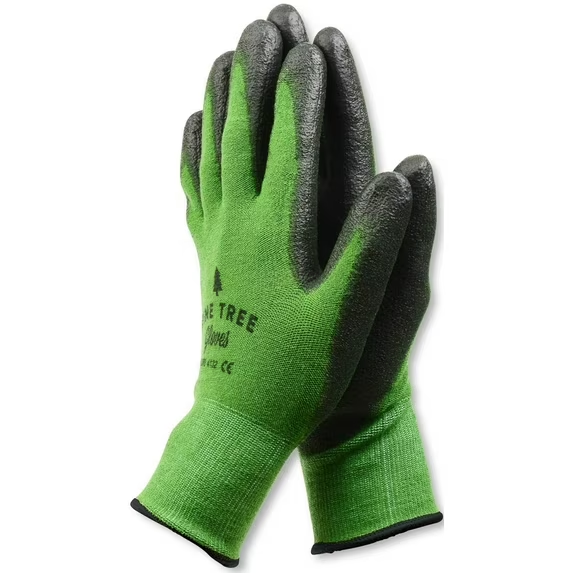
Weeding in summer heat is its own particular challenge. The work is the same, but the conditions make any glove that traps heat feel unbearable within twenty minutes — and the temptation to pull the gloves off and go bare-handed increases with every degree of temperature.
The Pine Tree Tools bamboo gloves address this with a bamboo fiber liner that is genuinely, noticeably more breathable and cooling than standard knit fabric. Bamboo fiber is naturally moisture-wicking and soft against the skin, which makes these gloves significantly more comfortable during warm weather sessions than conventional alternatives.
The nitrile coating on the palm and fingers provides solid grip and decent protection against soil abrasion. The fit is snug and precise at the fingertips, which is important for detailed weeding work. If summer is your primary weeding season and heat has been making your current gloves unbearable, these are worth trying.
4. Firm Grip Pro Nitrile Gloves — Best Budget Weeding Glove
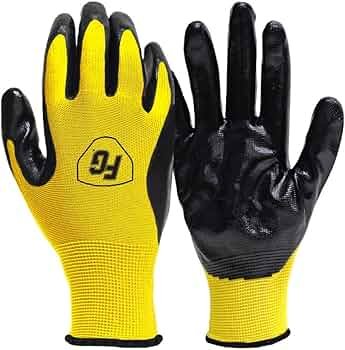
Not every gardening purchase needs to be a considered investment, and weeding gloves — which take real punishment — are a case where a reliable budget option makes genuine sense. When gloves wear through, you replace them. A pair that costs half as much and lasts three quarters as long is a reasonable trade.
The Firm Grip Pro nitrile gloves are the budget weeding glove that actually earns the recommendation. The nitrile coating is thicker than many budget competitors, which translates to better durability during the sustained palm and fingertip contact that weeding generates. The grip holds well in typical garden conditions, and the fit is comfortable enough for extended sessions.
They’re not going to outperform a premium glove in any category. But they perform honestly and consistently, they’re easy to find and replace, and the price makes buying multipacks sensible — which means you always have a fresh pair available when the current one wears through.
5. Atlas 370 Nitrile Touch Gloves — Best for Dexterity-Intensive Weeding
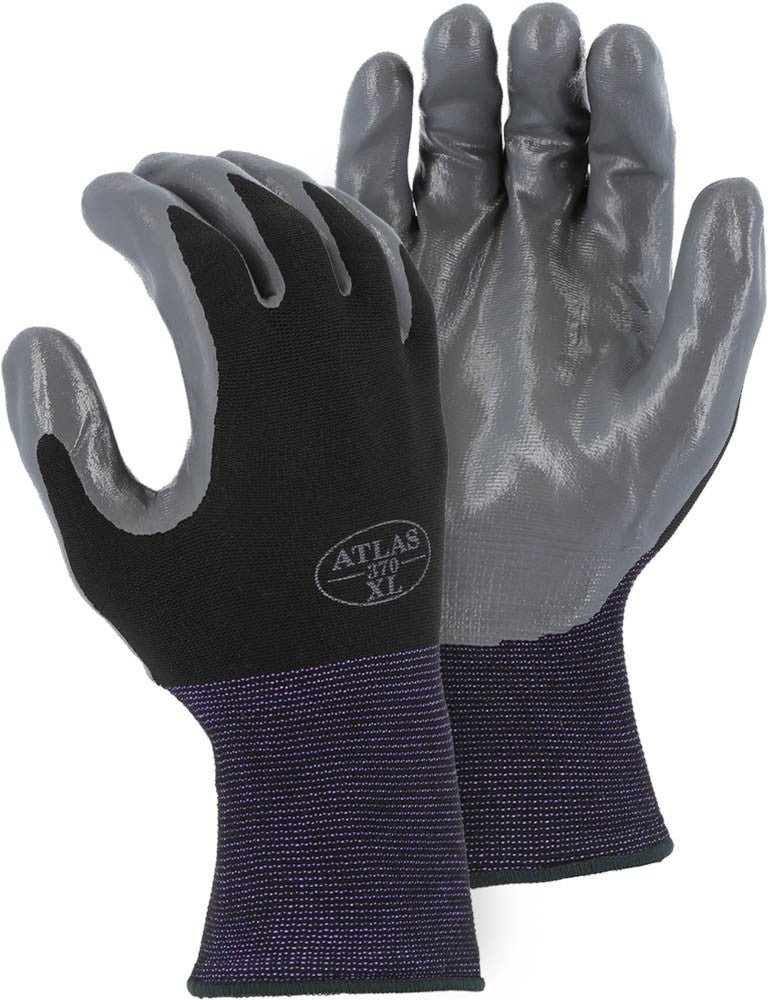
Some gardens require more precision weeding than others. A densely planted cottage garden, a vegetable bed with closely spaced rows, or a rock garden where plants grow between stones and in tight crevices — these environments demand a level of dexterity that a heavier glove simply can’t provide.
The Atlas 370 gloves are exceptionally thin and lightweight for a nitrile-coated glove, and that thinness is their defining characteristic. The coating is fine enough that you can feel individual stems and roots through the glove in a way that thicker options don’t allow. For precision weeding in tight, complex planting arrangements, this tactile feedback is genuinely valuable — it’s the difference between feeling your way through a dense planting with confidence and guessing blindly with a thick glove.
The trade-off is durability. The thinner coating wears faster than heavier alternatives, particularly at the fingertips and palm. But for the gardener whose primary challenge is precision rather than sustained heavy use, that trade-off is entirely worth making.
6. Digz Garden Glove with Nitrile Grip — Best for Light Weeding and Tidying
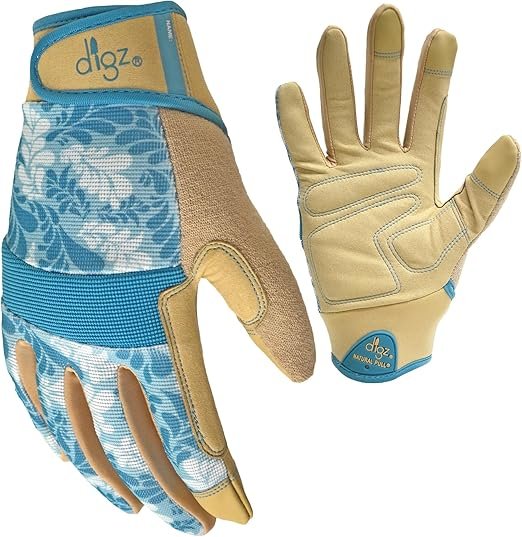
Not all weeding is the same. There’s the serious, committed weeding of an overgrown bed — getting down on your knees, working roots out of compacted soil, spending an hour on a single stretch of ground. And then there’s the daily tidying kind — pulling the small weeds that appear between sessions before they establish themselves, quick passes through beds to keep things under control.
For the latter, a lighter glove like the Digz nitrile grip glove is entirely appropriate and frankly more pleasant to use than something built for heavy work. The lightweight construction lets your hands move freely and naturally, the nitrile coating provides enough grip for pulling small weeds, and the overall comfort makes it easy to slip these on for a quick ten-minute tidy without the commitment of gearing up in something more substantial.
They’re not the right tool for serious root extraction from compacted ground — for that, you want something more durable and better fitted. But for maintenance weeding and light daily tidying, they’re a genuinely comfortable option.
7. G & F Products Knit Gloves with Nitrile Coating — Best for Small Hands
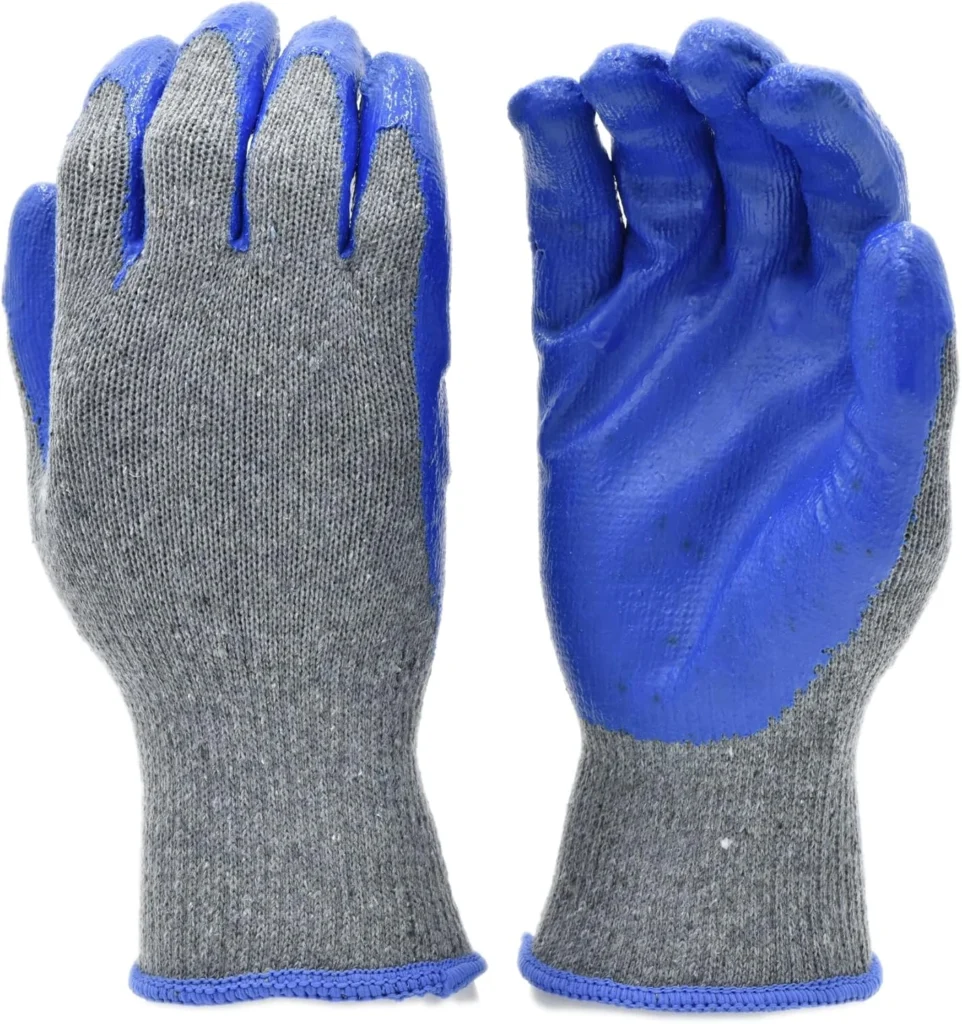
The fit problem in gardening gloves is real, persistent, and frustrating for anyone whose hands don’t conform to the industry’s apparent assumption of what a default hand looks like. Gloves that are too large lose dexterity at the fingertips — excess material folds and bunches — which turns precise weeding into a clumsy, ineffective exercise.
The G & F Products knit gloves are among the better options for gardeners with smaller hands. The sizing runs smaller than average and the finger proportions are more accommodating for narrower hands, which means the snug fit that good weeding requires is actually achievable rather than aspirational.
The nitrile coating is solid for the price, the breathability is good, and the overall construction holds up well for regular weeding sessions. But the real recommendation here is about fit — if you’ve struggled to find weeding gloves that don’t swamp your hands, these are worth trying specifically for that reason.
Caring for Your Weeding Gloves
Weeding gloves work hard, and they’ll last significantly longer with basic care between sessions.
Rinse them after each use. Clay soil in particular dries hard inside the coating and along the seams, stiffening the material and accelerating cracking in the coating. A quick rinse removes most of it before it sets.
Let them dry completely before storing. Damp gloves stored in a bag or a dark corner of the shed develop odor quickly and degrade faster than gloves that dry out fully between uses. A peg or hook in the shed where they can hang and air dry is all you need.
Turn them inside out occasionally to let the interior dry as well — moisture trapped inside the liner is just as damaging over time as moisture in the coating.
When the fingertip coating wears through — which is where weeding gloves almost always fail first — replace them. A worn-through fingertip is an immediate entry point for soil and sharp objects, and trying to stretch the life of a glove past this point saves very little and costs comfort and protection.
Final Thoughts
Weeding is one of those garden tasks that rewards the right equipment more than most people expect. The best garden gloves for weeding aren’t a luxury — they’re the difference between a session that feels controlled and effective and one that leaves your hands sore, your grip failing, and the weeds only half out of the ground.
Start with the Showa 370 if you want the closest thing to a universal recommendation for weeding gloves. Match your choice to your specific conditions — wet soil, warm weather, precision planting, smaller hands — using the options on this list. Care for your gloves between sessions and replace them when the coating fails rather than soldiering on with something that’s no longer doing its job.
Your garden will be tidier for it. Your hands will be grateful. And the weeds — well, they’ll still come back. But with the right gloves, at least you’ll be ready for them.