
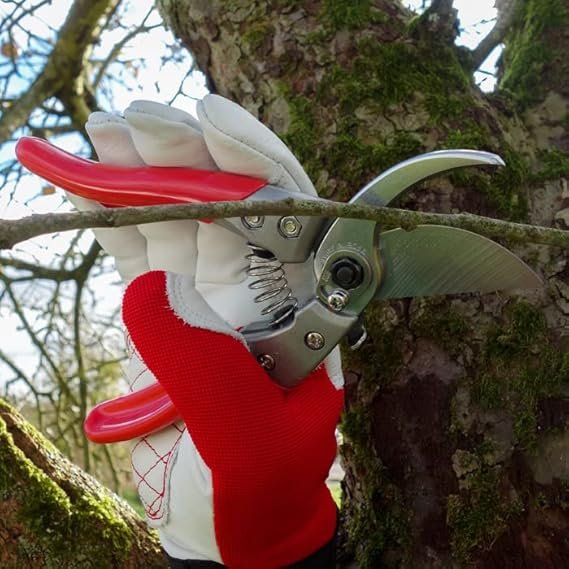
Walk into any garden center with bypass pruning shears on your list and you’ll find options ranging from $10 to $80 — all promising clean cuts and long life. The price spread alone causes more confusion than it should, because a lot of what’s on those racks works perfectly well. The real question is what kind of gardener you are, how much you prune, and how long you want the tool to last.
This guide covers the most widely available and well-reviewed bypass pruners in the US — familiar names that are easy to find and well-documented by real users. No obscure imports, no hard-to-source specialty brands. Just the pruners most gardeners can get their hands on and start using today.
What Actually Matters When Buying Bypass Pruning Shears
Why Bypass in the First Place
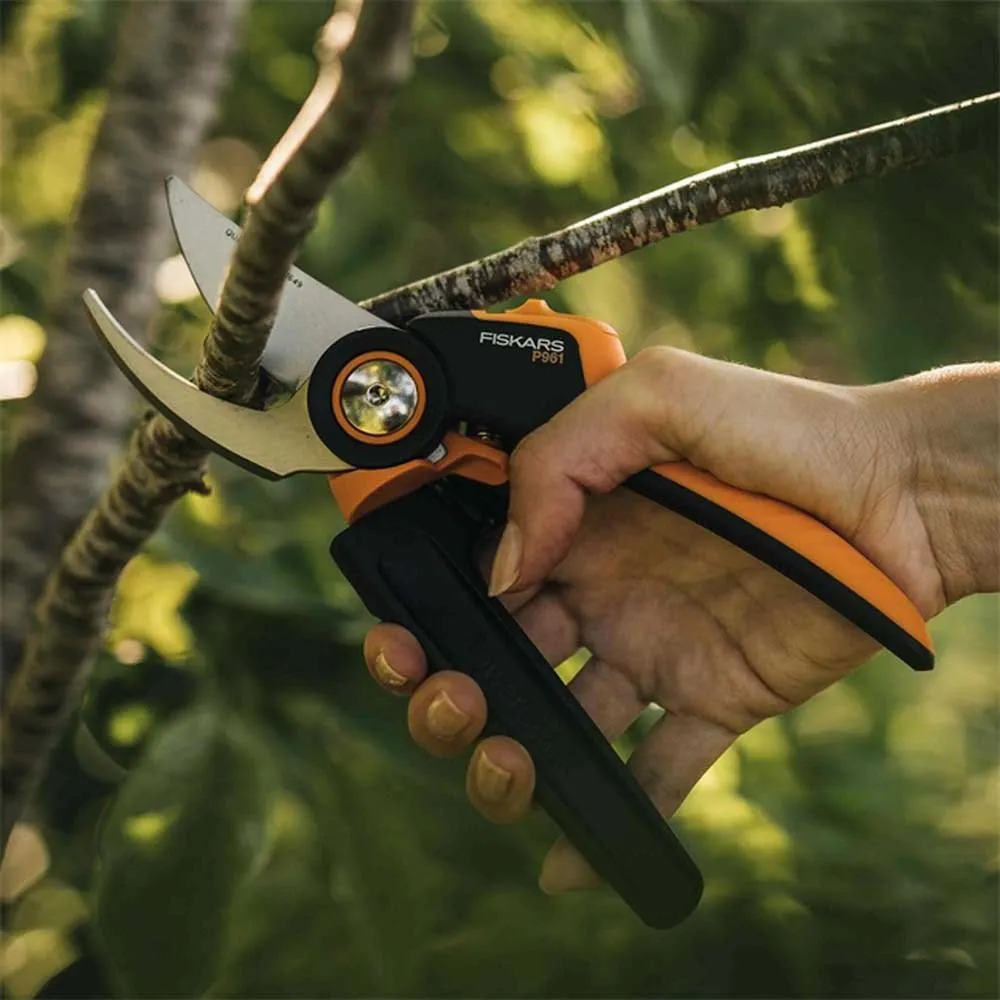
Bypass pruners work like scissors — a curved cutting blade passes by a flat counter blade, making a clean slicing cut. That slicing action is what plants prefer. Live stems and green wood yield to the bypass motion without being crushed, which means wounds heal faster and you’re less likely to introduce disease through a ragged cut.
If you’re cutting fresh roses, trimming herbaceous perennials, shaping ornamental shrubs, or working on fruit tree growth, bypass is the right tool for all of it. The one place bypass pruners give ground to anvil pruners is hard, dry deadwood — on brittle material, the bypass blade can deflect rather than cut cleanly. For serious deadwood work, a separate anvil pruner makes more sense.
Blade Steel: What You’re Actually Paying For
The single biggest quality difference between a $12 pruner and a $65 pruner is blade steel. Inexpensive pruners use stamped steel — it comes sharp out of the box but dulls quickly and is difficult to resharpen effectively. Mid-range pruners use hardened high-carbon steel or SK5 steel, which holds an edge longer and can be resharpened with a whetstone or diamond file. Professional-grade pruners use forged high-carbon or proprietary alloy steel — harder, denser, and capable of holding a razor edge through seasons of regular use.
Non-stick coatings (Teflon, titanium) reduce sap adhesion and friction. They’re useful, but they wear off over time. Once the coating goes, the underlying steel quality is what you’re left with.
Replaceable Parts: The Sleeper Feature
On a cheap pruner, when the blade dulls or the spring breaks, you throw it away. On a quality pruner, you replace the blade, spring, or pivot bolt — spending $8 instead of $35. Over three or four seasons of regular use, a $30 forged tool with replaceable parts is cheaper than cycling through disposable pruners. If you’re spending more than $25, check whether parts are available before buying.
Fit and Comfort — More Important Than Most Buyers Think
Most bypass pruners are sized for medium-to-large hands. If you have smaller hands, the grip span at full open can strain your fingers and reduce leverage. Some brands address this with narrower-grip models or dedicated small-hand versions. If you can handle the pruner in person before buying, open it fully and close it a few times — the fit tells you more than any spec sheet.
Spring tension matters too. A spring that’s too stiff causes hand fatigue on long sessions; one that’s too loose feels sloppy and slow. On quality tools, springs are replaceable.
Cutting Capacity
Most bypass hand pruners are rated for 5/8 inch to 1 inch cutting capacity — roughly pencil to finger diameter. That covers the vast majority of home garden work: rose canes, perennial stems, light shrub growth, young fruit tree branches, deadheading. For anything consistently thicker than 1 inch, you’re in lopper territory. No hand pruner does that work reliably regardless of brand.
The Best Bypass Pruning Shears
1. Fiskars Classic Bypass Pruning Shears
Best Budget Buy | ~$13–$15
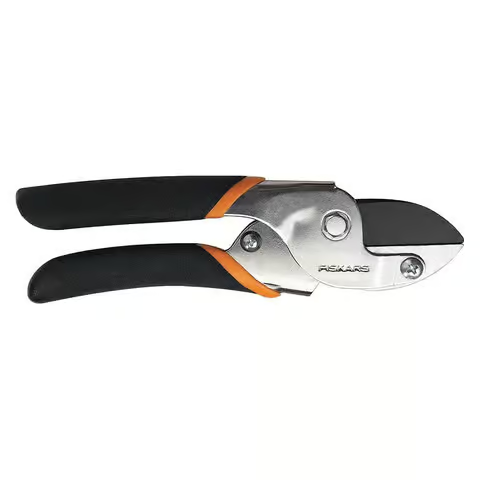
The Fiskars Classic is one of the best-selling bypass pruners in the country, and it earns that position simply by working reliably at a price most people won’t think twice about. The fully hardened precision-ground steel blade comes sharp and holds a reasonable edge through a season of light-to-moderate use. A low-friction non-stick coating reduces sap buildup and makes cleanup easy. The grip is ambidextrous, the slide lock works one-handed, and the self-cleaning sap groove keeps the blade moving freely on sticky stems.
At 5/8-inch cut capacity, it’s not a heavy-duty tool. On thin to medium stems, green perennials, roses, and light shrub work, it does the job cleanly without fuss. The trade-off is longevity — stamped steel construction means the blade will eventually dull and isn’t worth resharpening. Replacement blades aren’t sold separately. When it wears out, you replace the whole tool. At $13, that’s a reasonable proposition for a casual gardener.
What it won’t do well: thick woody stems, extended professional use, or anything demanding more than light-to-medium maintenance. For that work, step up to the Corona or Felco.
Best for: Beginners, light-duty gardeners, anyone who wants a reliable everyday pruner without a significant investment.
2. Felco F2 Classic Manual Pruning Shear
Best Premium Pruner | ~$65–$85
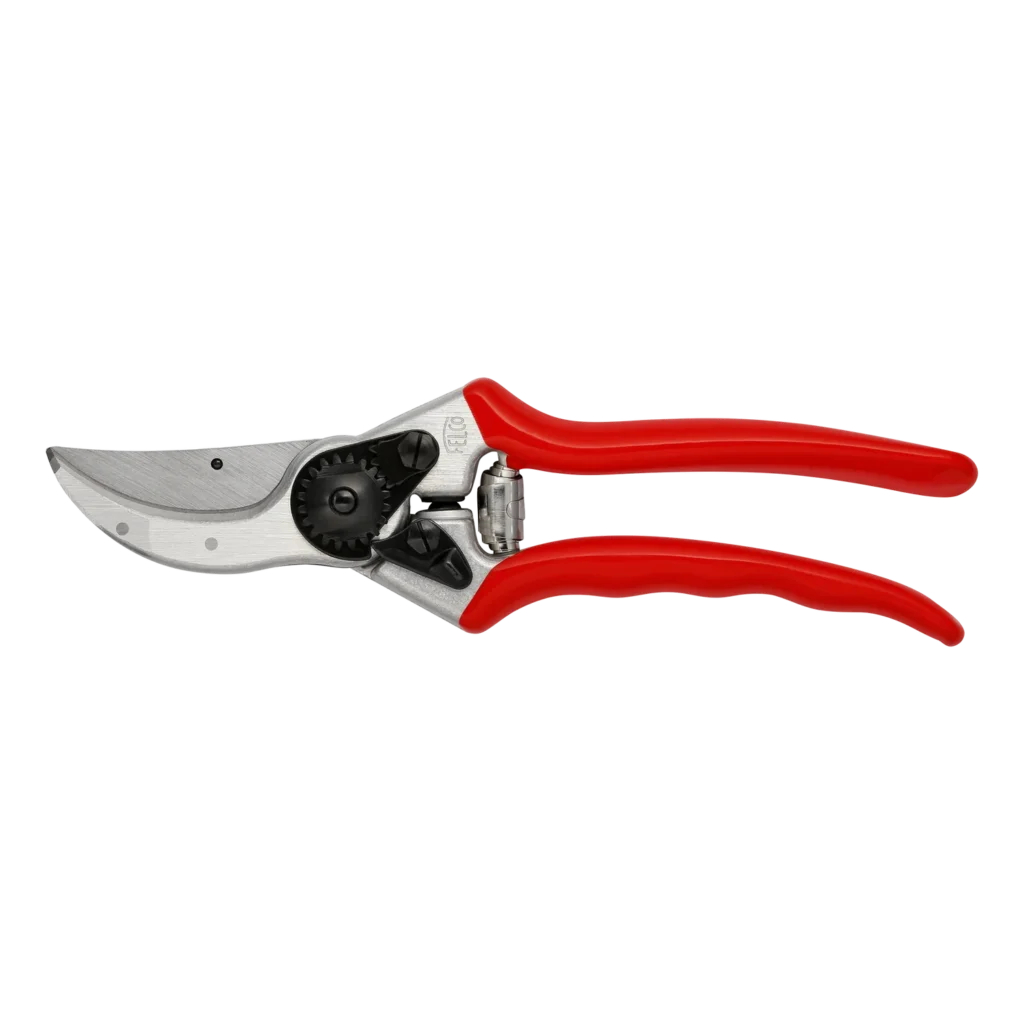
The Felco F2 has been made in Switzerland since 1948 and remains the first pruner most professional landscapers, nursery workers, and orchardists reach for. If you want to understand why it justifies the price, the key is what happens after the first season.
The forged aluminum handles are lightweight but absorb cutting shock through rubber bumpers — your hand doesn’t feel the impact of every cut after an hour of work the way it does with budget tools. The hardened steel blade is forged, not stamped, and holds a precise edge that can be resharpened indefinitely. A micro-metric adjustment screw lets you tune the blade tension exactly to your preference. The blade, spring, bolt, and grip are all individually replaceable — Felco sells every component separately, and the parts are widely available.
Cut capacity is 1 inch on live wood, and the tool reaches that number cleanly and consistently. The sap groove runs the length of the counter blade, and the locking mechanism releases with one hand.
The honest trade-off: the F2 is sized for medium-to-large hands. Smaller-handed gardeners sometimes find the grip span tiring over extended sessions — Felco’s F6 is the smaller version worth considering in that case. And at $65–$85, this is a deliberate purchase, not an impulse buy.
Over a 10-year horizon, the F2 is almost certainly cheaper than cycling through budget pruners — and it cuts better throughout.
Best for: Serious gardeners, regular pruners, fruit tree work, anyone who wants one quality tool that outlasts everything else on this list.
3. Corona ClassicCut Forged Bypass Pruner
Best Mid-Range Option | ~$25–$35
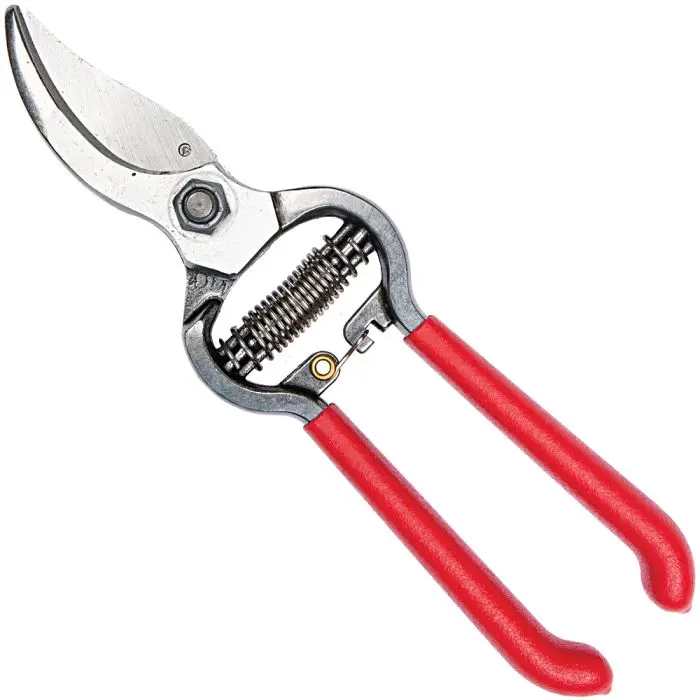
Corona has been making professional-grade garden cutting tools in the US since the 1920s, and the ClassicCut is their everyday workhorse. The BP 3160 is MaxForged high-carbon steel — the same forging process used on professional tools — hand-matched blade and hook for precision, and a sap groove that channels debris away from the cutting surface.
What sets it apart at this price is the combination of forged construction and a resharpenable blade. This isn’t a stamped-and-coated budget tool. The blade can be sharpened season after season with a whetstone, and Corona sells replacement parts as well. The 3/4-inch cut capacity is honest and reliable on green wood and light woody stems.
The trade-off compared to the Felco: the balance is slightly blade-heavy, which some users find tiring over long sessions. The handle design works best for medium-to-large hands, and the lock mechanism takes a bit more effort to engage than the Felco’s thumb-push. Neither is a dealbreaker — they’re the refinements that separate a $30 tool from a $70 one.
For a gardener who wants forged quality and a resharpenable blade without committing to the Felco price, the ClassicCut is the right call.
Best for: Regular gardeners who want forged construction and a blade they can maintain over multiple seasons.
4. gonicc 8″ Professional Titanium Bypass Pruning Shears (GPPS-1003)
Best Online Value Pick | ~$14–$20
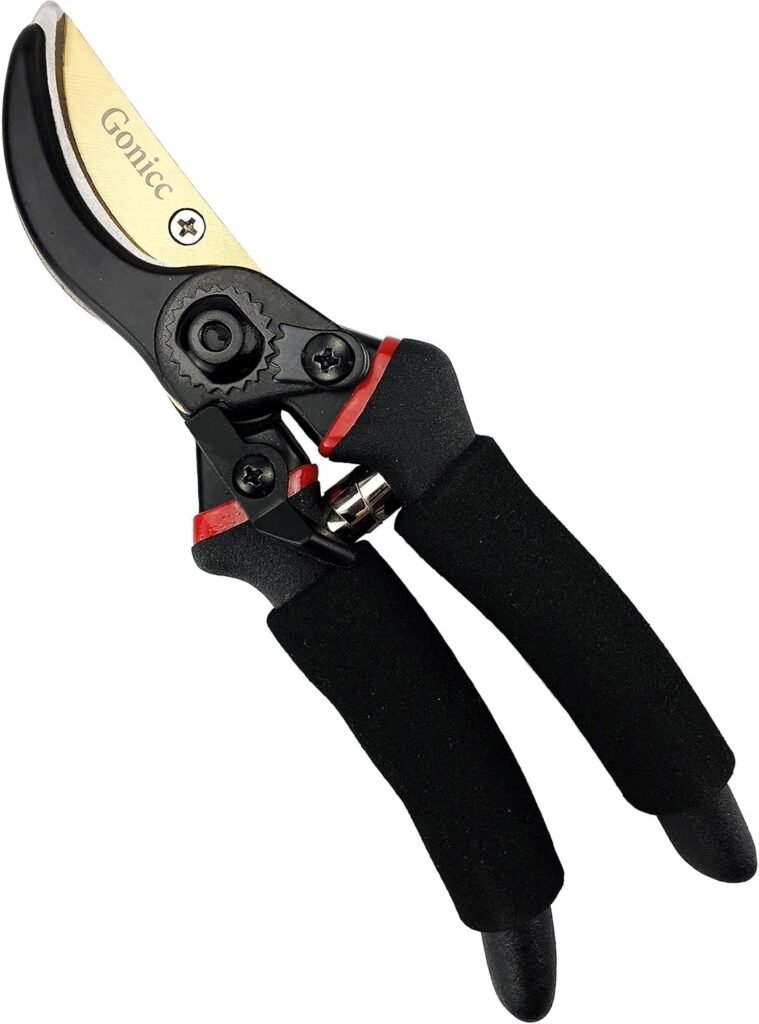
The gonicc GPPS-1003 is consistently one of the top-selling bypass pruners online, and the volume of reviews — tens of thousands — gives you a more honest read on the product than most garden tools get. The titanium-coated SK5 high-carbon steel blade is legitimately sharp out of the box, the drop-forged body and handles are sturdier than the price suggests, and the ergonomic grips are comfortable for most hand sizes.
The sap groove design keeps the blade from sticking on resinous wood, and the safety lock releases and engages easily with one hand. Cut capacity is 3/4 inch on live wood. At $14–$20, the SK5 blade offers meaningfully better edge retention than stamped-steel budget tools in the same price range.
The trade-off is the ceiling. The gonicc is a solid mid-budget pruner, but it’s not forged, and the titanium coating will wear off with extended use. Replacement parts aren’t available. When it eventually wears out, you replace it. For most casual-to-regular gardeners, that’s a fair deal at this price point.
Worth noting: the gonicc line has several models. The GPPS-1003 titanium is the flagship. The similar-looking GPPS-1002 uses a standard high-carbon blade without the titanium coating — both work well, but the 1003 is the better long-term value.
Best for: Gardeners who want better blade quality than a stamped-steel budget tool at a similar price, especially for online purchases.
5. Fiskars PowerGear2 Pruner (UPX86)
Best for Comfort and Thick Stems | ~$30–$40
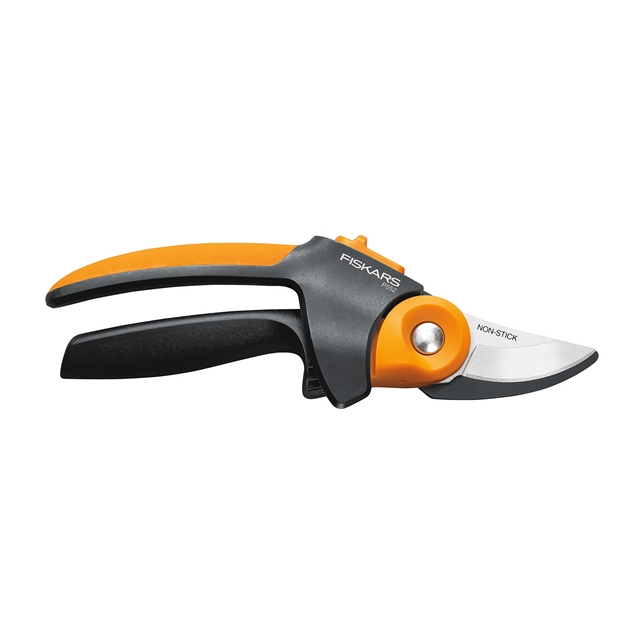
The PowerGear2 uses a gear mechanism that multiplies cutting force through the stroke — the leverage increases as the blade closes, delivering more force at the point where resistance is highest. In practical terms, it makes cutting through thicker branches noticeably easier without requiring more hand strength.
Cut capacity is 1 inch, and the PowerGear2 handles that range with less effort than any other tool on this list. For gardeners who have reduced grip strength, tend toward hand fatigue on long sessions, or regularly deal with thicker rose canes and woody shrub stems, this mechanism makes a genuine difference. The rotating lower handle is designed to reduce wrist strain further — it moves with your hand rather than against it.
The trade-off: the gear mechanism and handle design add bulk. The PowerGear2 is heavier and wider than a standard pruner, which makes it less nimble for precise work in tight spaces or for light repetitive cuts. Think of it as the high-torque option — better for hard cuts, less ideal for fine detail work.
Best for: Gardeners who deal with thick canes or woody stems regularly, anyone with hand fatigue or reduced grip strength.
Quick Comparison
| Tool | Cut Capacity | Blade | Replaceable Parts | Price (approx.) |
|---|---|---|---|---|
| Fiskars Classic (391091) | 5/8 in. | Hardened stamped steel | No | ~$14 |
| Felco F2 | 1 in. | Forged alloy | Yes (all parts) | ~$75 |
| Corona ClassicCut BP 3160 | 3/4 in. | MaxForged steel | Yes | ~$30 |
| gonicc GPPS-1003 | 3/4 in. | SK5 titanium-coated | No | ~$17 |
| Fiskars PowerGear2 UPX86 | 1 in. | Hardened steel | No | ~$35 |
Best Choice by Use Case
For beginners or light-duty gardeners: The Fiskars Classic (391091) is the easiest starting point. It works reliably right out of the box, costs under $15, and is backed by a lifetime warranty. A no-regret first pruner.
For serious, regular gardening: The Felco F2 is the long-term investment. If you prune more than a few times a season, work fruit trees, or simply want one quality tool that lasts decades, nothing on this list touches it. The cost per year over its lifespan is lower than most budget alternatives.
For a forged mid-range option: The Corona ClassicCut BP 3160 hits the sweet spot between accessible pricing and professional-grade construction. Forged steel, resharpenable blade, and available replacement parts — a better long-term value than the Fiskars at a fraction of the Felco price.
For online shoppers on a budget: The gonicc GPPS-1003 is the best-value pick in its price range. SK5 blade quality, solid build, and enough real-world reviews to trust the verdict.
For thick stems or reduced grip strength: The Fiskars PowerGear2 is the right tool. The gear mechanism does real work on thicker canes and woody material, and it’s one of the more thoughtfully designed ergonomic pruners at this price.
A Few Maintenance Notes Worth Knowing
Bypass pruners stay sharp longer when you keep them clean. Sap that dries on the blade increases friction and accelerates dulling — a quick wipe with a damp cloth or a drop of oil after each session takes 30 seconds and extends blade life noticeably.
When a bypass pruner starts tearing rather than cutting cleanly, that’s the blade telling you it needs attention. A few passes with a diamond file or whetstone on the beveled edge restores the cut on any forged tool. On stamped-steel budget pruners, persistent tearing usually means it’s time to replace the tool.
Finally, bypass pruners can go out of alignment over time — the blades develop a gap rather than meeting cleanly at the tip. On Felco and Corona tools, tightening the pivot bolt corrects this immediately. Worth checking at the start of each pruning season.