
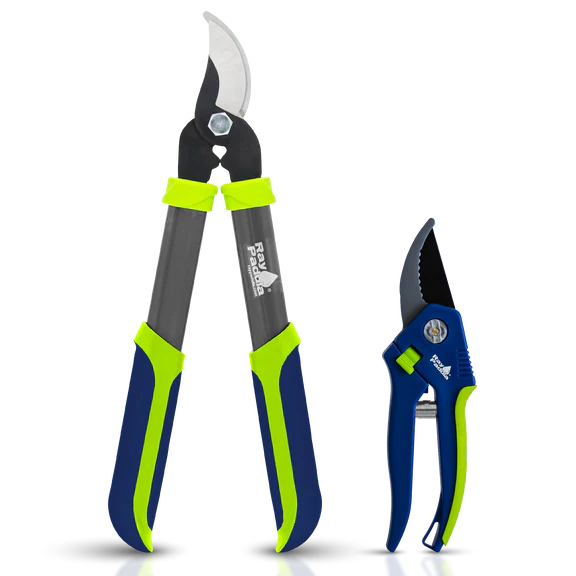
Most gardeners own both pruning shears and loppers — and most gardeners reach for the wrong one at least some of the time. The distinction isn’t just about branch diameter. It’s about reach, leverage, precision, and the specific cutting geometry each tool is designed to produce. Getting the pruning shears vs loppers decision right on every cut makes the work faster, less physically demanding, and better for the plants being pruned. For a detailed breakdown of the best hand-held options, see our guide on the best pruning shears.
The Core Mechanical Difference
Pruning Shears
One-handed tool. Blade mechanism operated by a single hand grip. Maximum cutting capacity approximately 25–35mm (1–1.5 inches) on professional models, less on standard tools. Designed for precise, controlled cuts close to bud positions, branch collars, and tight pruning geometry that two-handed tools can’t access.
Loppers
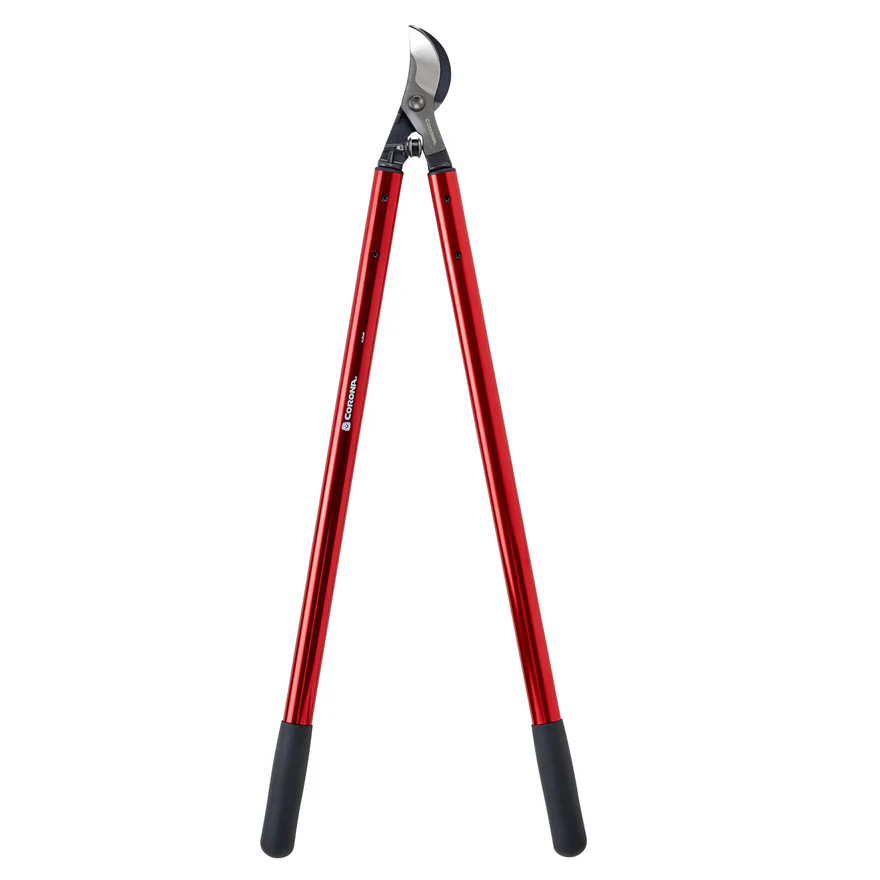
Two-handed tool. Long handles — typically 45–75cm — provide leverage multiplication that generates significantly more cutting force per effort than pruning shears. Cutting capacity typically 35–60mm (1.5–2.5 inches) depending on model. Handle length extends reach into shrub interiors and above comfortable pruning shear working height.
When Pruning Shears Are the Right Tool
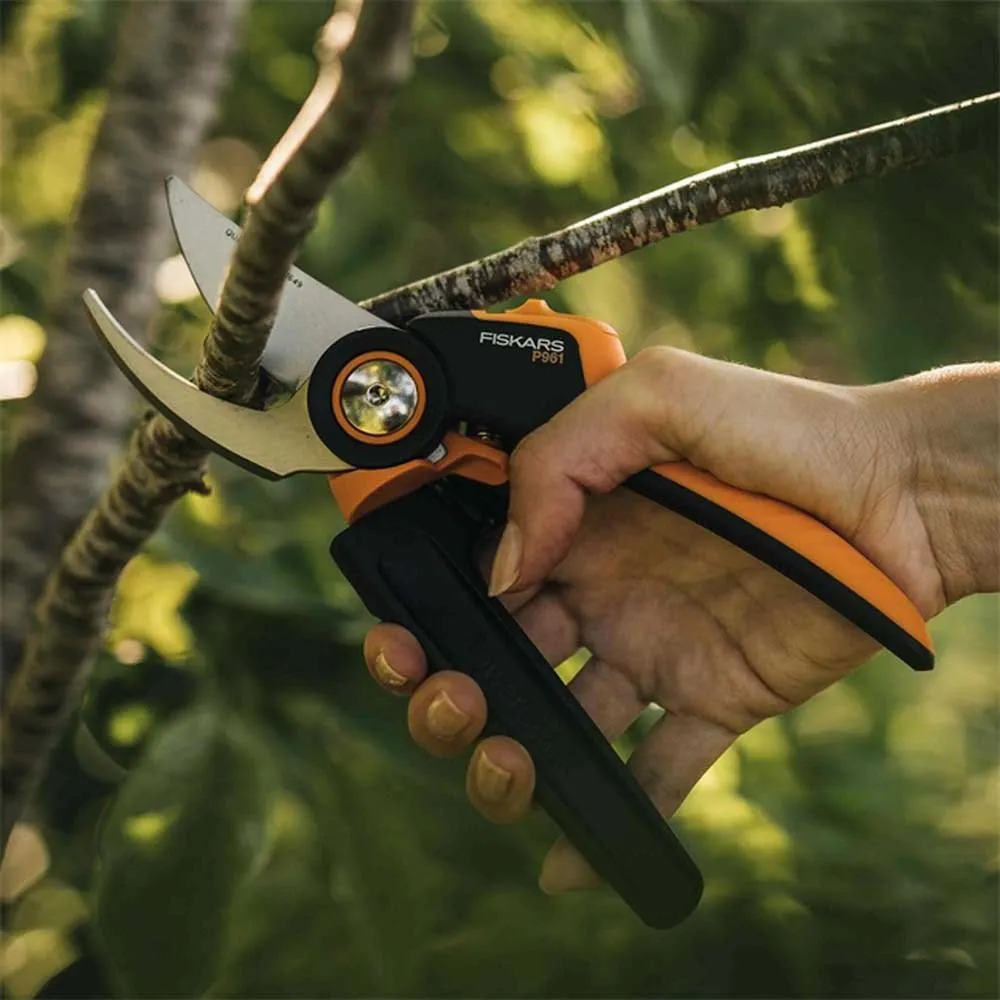
Precision cut placement — the 45-degree bud-directed cut in rose pruning requires exact blade positioning at 5mm above a specific bud. Pruning shears provide the hand control for this precision. Loppers don’t.
Dense, tight pruning geometry — trained fruit trees, standard roses, espaliers, and any situation where the target stem is surrounded by other stems that can’t be disturbed require the compact blade profile of pruning shears. Lopper blades are too wide for much of this work.
Thin to medium diameter live wood — fresh growth, annual pruning of established shrubs, rose laterals, fruit tree water shoots. This is the primary use case of pruning shears and they handle it more precisely and comfortably than loppers.
Single-hand working positions — pruning while holding a branch with the other hand, working at awkward angles, or any position where two-hand tool operation is impractical.
When Loppers Are the Right Tool
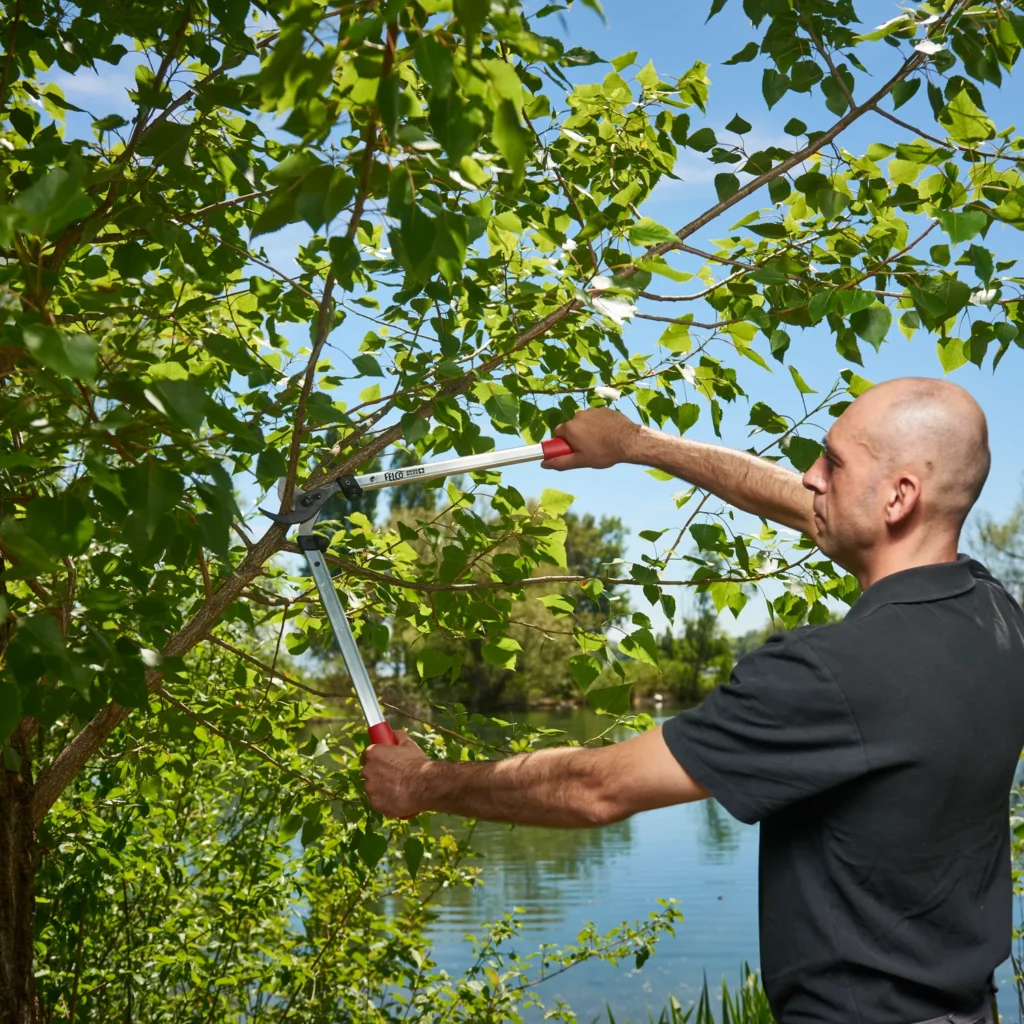
Branches above 25–30mm diameter — the force required to cut these with hand pruners is excessive for the mechanism and accelerates blade and pivot wear. For material in this range, the best pruning shears for thick branches can bridge the gap, but loppers handle this diameter range most efficiently.
Reach into shrub centers — long handles extend cutting reach into the interior of large shrubs that hand pruners can’t access without uncomfortable body positioning. For large established shrubs — forsythia, buddleia, viburnum — loppers are the practical tool for interior dead wood removal and structural pruning.
Overhead cuts — extended lopper handles allow cuts above comfortable pruning shear height without ladders or unsafe overhead hand tool use. In some cases, the best electric pruning shears can also assist with high-volume cutting at height with minimal effort.
High-volume thick-stem cutting — where the volume of cuts at larger diameters would fatigue the hand excessively with pruning shears, loppers’ two-hand leverage reduces the effort per cut significantly.
The Diameter Overlap Zone — Making the Decision
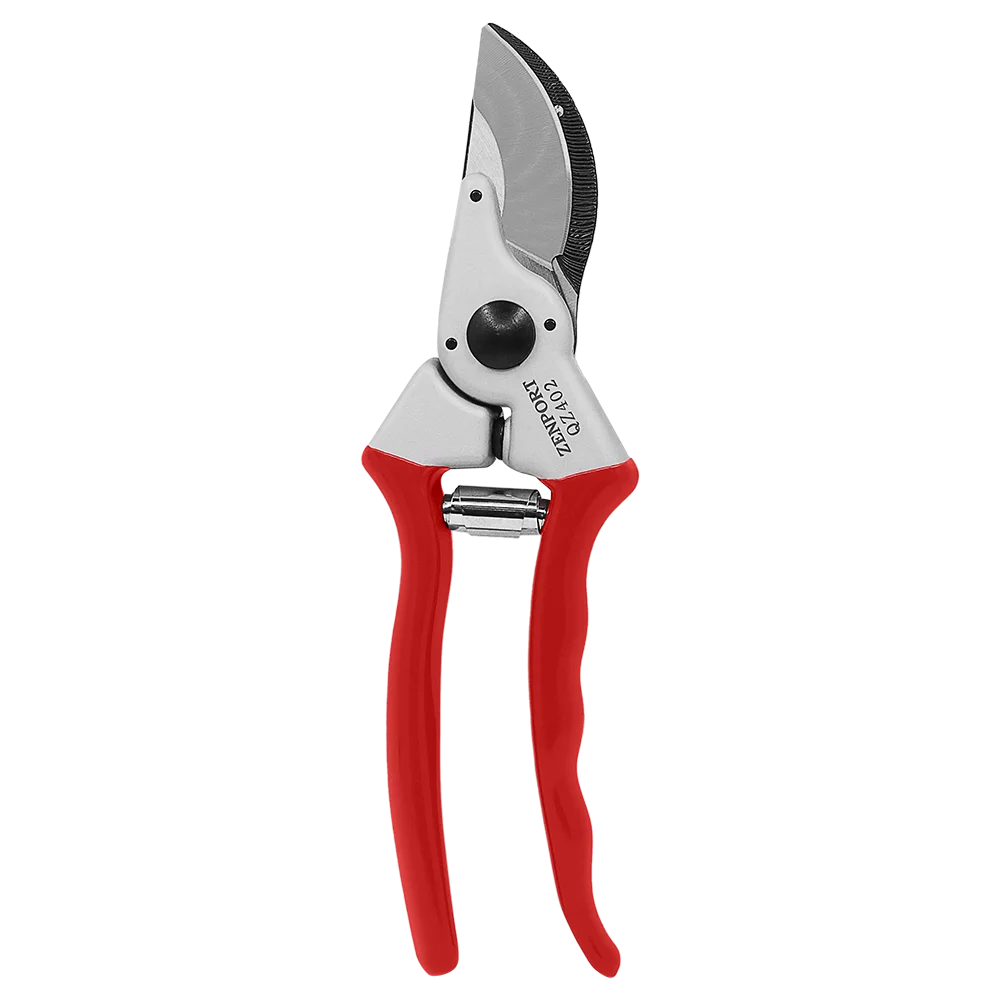
Between approximately 20–35mm diameter, both tools can technically make the cut. The decision in this range depends on:
Cut precision required — if exact placement matters, use pruning shears even if it requires more effort.
Volume of cuts — if many cuts at this diameter are needed in a session, loppers reduce fatigue more effectively.
Material condition — live wood at this diameter is harder than dead wood. Live material at 25mm may be the right loppers call. Dead material at 25mm may be manageable with a quality bypass pruner.
Access — if the cut location is accessible and unobstructed, pruning shear precision is available. If it’s deep in a shrub or above comfortable reach, loppers are the practical choice.
Bypass vs Anvil in Loppers — Same Principle
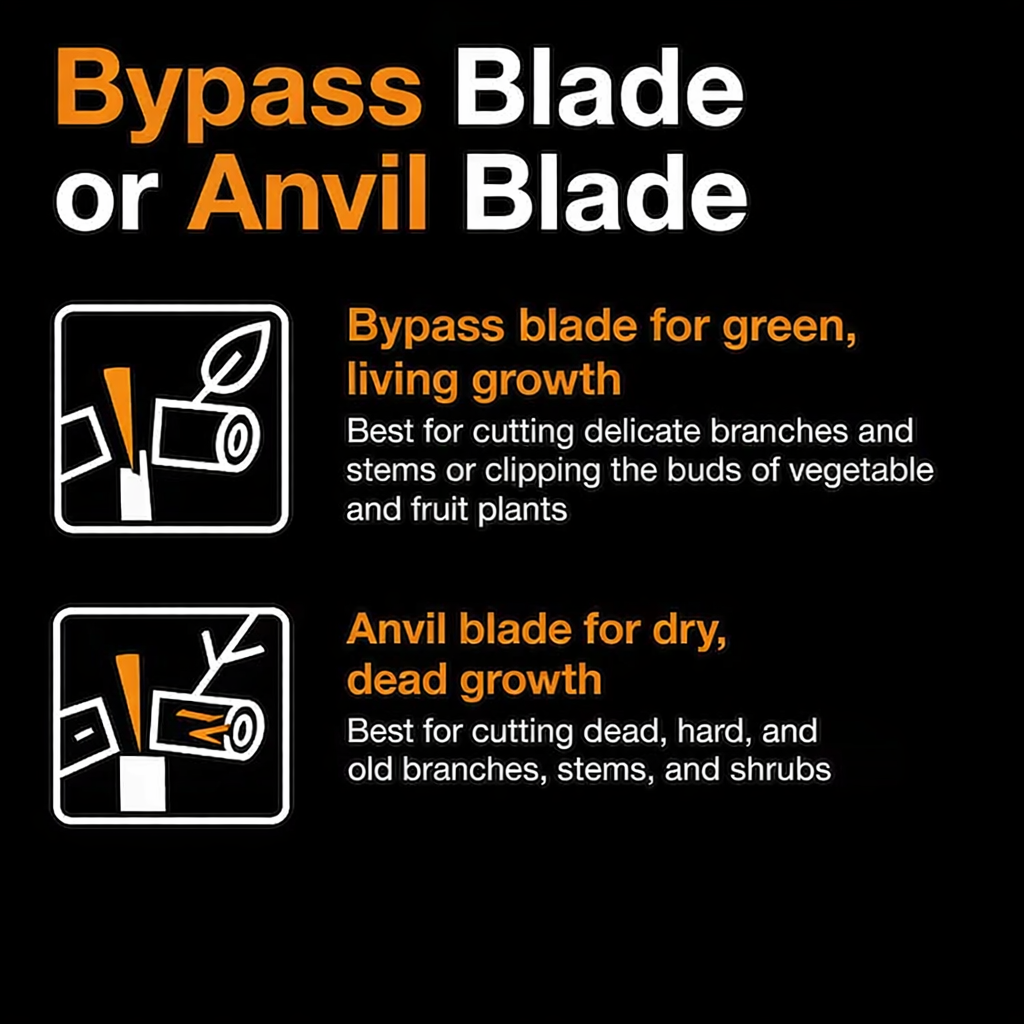
The same bypass vs anvil distinction that applies to pruning shears applies to loppers. Bypass loppers for live wood. Anvil loppers for dead wood. The scale is different — lopper anvil mechanisms generate even more compression force than hand pruner anvils — making the cambium damage on live wood from anvil loppers more significant than from anvil hand pruners.
See also: Bypass vs Anvil Pruners — Which Is Better for Your Garden?
Quick Decision Guide
| Situation | Correct Tool |
|---|---|
| Stem under 25mm, precision cut needed | Pruning shears |
| Stem 25–35mm, high precision needed | Pruning shears (quality model) |
| Stem 25–35mm, volume cutting | Loppers |
| Stem over 35mm | Loppers |
| Rose pruning — bud-directed cuts | Pruning shears only |
| Deep shrub interior, inaccessible with shears | Loppers |
| Overhead branch removal | Loppers |
| Dead wood removal under 35mm | Anvil pruning shears |
| Dead wood removal over 35mm | Anvil loppers |
Pros & Cons Comparison
| Pruning Shears | Loppers | |
|---|---|---|
| Cutting capacity | Up to ~35mm | Up to ~60mm |
| Precision | Excellent | Limited |
| Reach | Hand range | Extended — 45–75cm handles |
| Force required | Hand squeeze | Two-hand leverage |
| Dense access | Excellent | Limited by blade width |
| Fatigue on thick material | High | Low |
Final Verdict
Pruning shears and loppers are complementary tools — each correct for the tasks the other handles poorly. Pruning shears for precision, access, and thin to medium live wood. Loppers for thick branches, extended reach, and volume cutting at larger diameters.
Carry both on any pruning session involving established shrubs or trees. Use pruning shears as the default for most cuts. Switch to loppers when diameter, reach, or fatigue make them the better mechanical choice.
The line between them isn’t fixed — it’s the cut in front of you.
See also: Best Pruning Shears — 2026 Buyer’s Guide | Best Bypass Pruning Shears | Best Pruning Shears for Thick Branches | How to Sharpen Pruning Shears