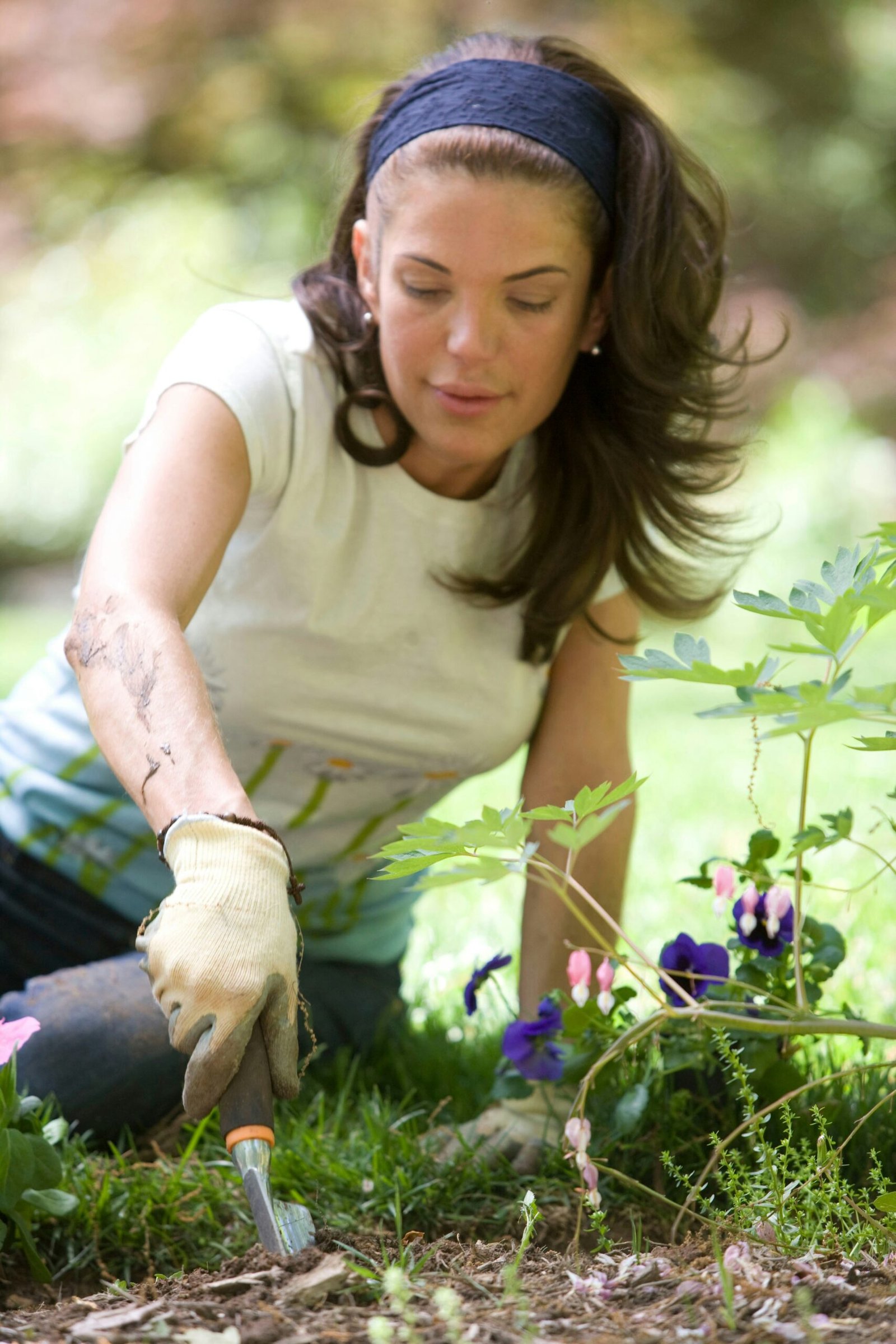
The glove that splits at the thumb seam during the third weeding session. The waterproof pair that keeps rain out and traps so much heat your hands are soaked anyway. The leather gloves that felt substantial in the store and cracked along the palm after two months. I’ve bought and discarded enough pairs to know that most garden glove advice skips the part that actually matters — what the glove does after the first hour, in the conditions you’re actually working in, on the tasks you actually do.
The best garden gloves aren’t universally the most expensive or the most technically specified. They’re the ones that match the work. A nitrile foam glove that handles weeding, planting, and light tool use better than anything else is useless if you’re pruning roses through heavy canes. A thorn-proof gauntlet that stops every spine is overkill for transplanting seedlings and makes precision work genuinely harder. Getting the right glove for the right task is the whole game — and this guide covers ten options across every task, budget, and hand size a real garden’s full range of work demands. (If you want a full breakdown of materials and coatings first, see: /how-to-choose-garden-gloves/)
If you’re unsure which materials or coatings matter most, start here: How to Choose Garden Gloves
Quick Picks:
Best Waterproof: G&F Waterproof Gloves
Best Overall: Showa 370 Nitrile Foam
Best for Heavy Work: Mechanix Wear Original
Best for Thorn Protection: COOLJOB Long Sleeve Gloves
Best Budget: Wells Lamont Nitrile Coated
How to Choose the Right Garden Gloves
Three variables determine whether a glove works for you. Getting all three right produces a glove that disappears on your hand. Getting one wrong produces a glove you’ll stop wearing within a week.
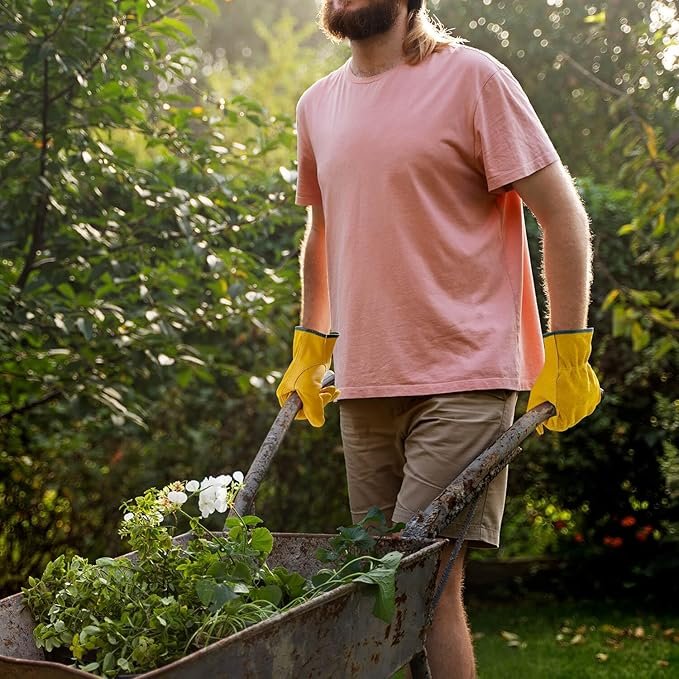
Material determines protection. Leather — pigskin, goatskin, or cowhide — handles thorns, abrasion, and sustained heavy work. Pigskin is the most practical for garden use: tougher than goatskin, more flexible than cowhide, and uniquely machine washable. Nitrile foam and nitrile coating handle everyday tasks, resist light moisture, and provide enough grip for tool use and close plant work. Full rubber or waterproof membrane construction keeps hands dry in saturated conditions but trades breathability for that protection. Knowing which of these you need for your most common tasks tells you immediately which category to shop in.
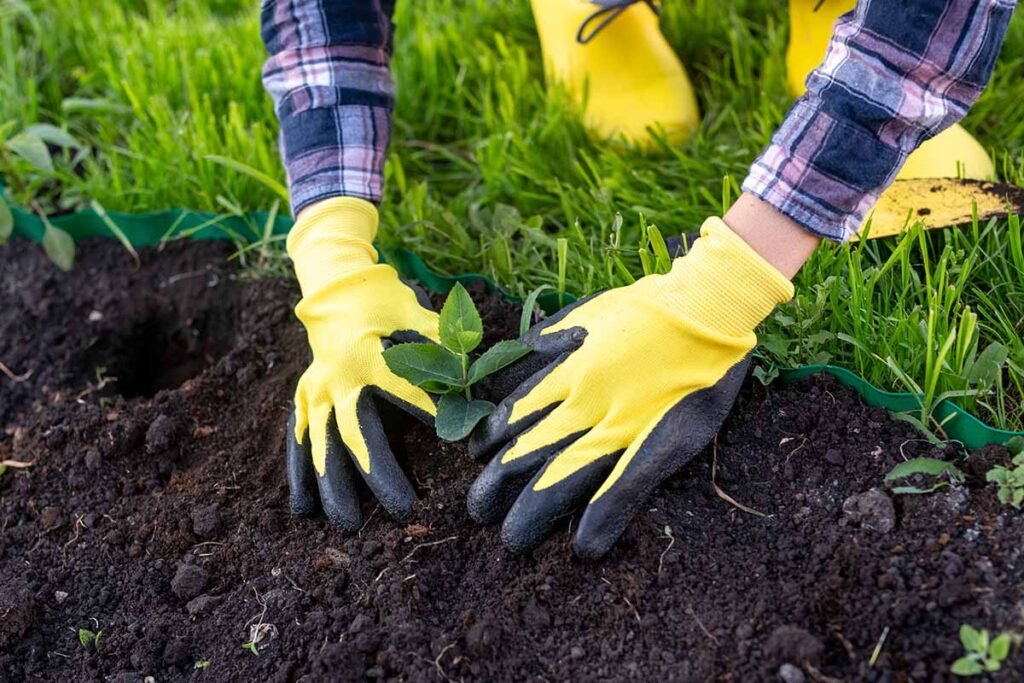
Fit determines dexterity. A glove that’s too large bunches at the fingertips — you lose grip precision and can’t feel what you’re doing. Too small and it restricts circulation within forty minutes, which is exactly when you’re in the middle of a task you can’t stop. The right fit is snug across the palm with fingers that reach the tip of each digit without pulling. Most gardening glove brands run slightly small — if you’re between sizes, size up.
Coating determines grip. The surface your palm contacts determines whether the glove works with your task or against it. Foam nitrile — the textured, slightly spongy coating on gloves like the Showa 370 — maintains grip on wet stems, slippery roots, and damp tool handles where smooth coatings become unreliable. Smooth nitrile works well in dry conditions but loses traction when wet. Textured leather grips rough tool handles better than smooth leather. Match the coating to the conditions you work in most.
For a complete breakdown of every material and coating type: → /how-to-choose-garden-gloves/
The 10 Best Garden Gloves
1. Showa 370 Nitrile Foam — Best Overall
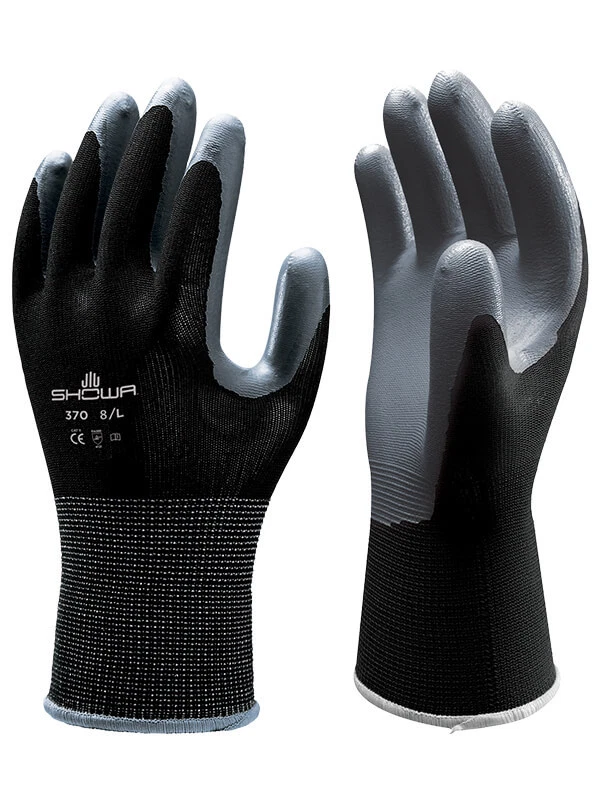
Best for: Everyday gardening across a wide range of tasks Not for: Heavy thorn pruning or fully saturated working conditions
If I could keep only one pair of garden gloves, this would be it — and I’ve had enough pairs to make that a considered opinion rather than a default. The nitrile foam coating grips wet and dry surfaces with genuine consistency: damp stems, muddy tool handles, slippery root balls — the traction doesn’t degrade the way smooth nitrile does when conditions change. The breathable fabric backing keeps hands comfortable through long sessions rather than building the trapped heat that cheaper coatings produce.
The fit is precise enough for detailed planting and seedling work without sacrificing the protection needed for general digging and weeding. I’ve pulled ground elder from saturated clay, planted hundreds of seedlings, used hand tools for an entire afternoon, and handled thorny stems — all in the same pair, in the same session — without once wishing I’d chosen something else. That versatility is what earns the overall recommendation.
Small flaw: Runs slightly small — size up if you’re between sizes.
Read the full weeding gloves review →
Best use case: If you’re doing mixed gardening sessions — planting, weeding, and light tool work — this is the most versatile glove on this list.
2. Kinco 901 Pigskin Leather — Best Leather Glove
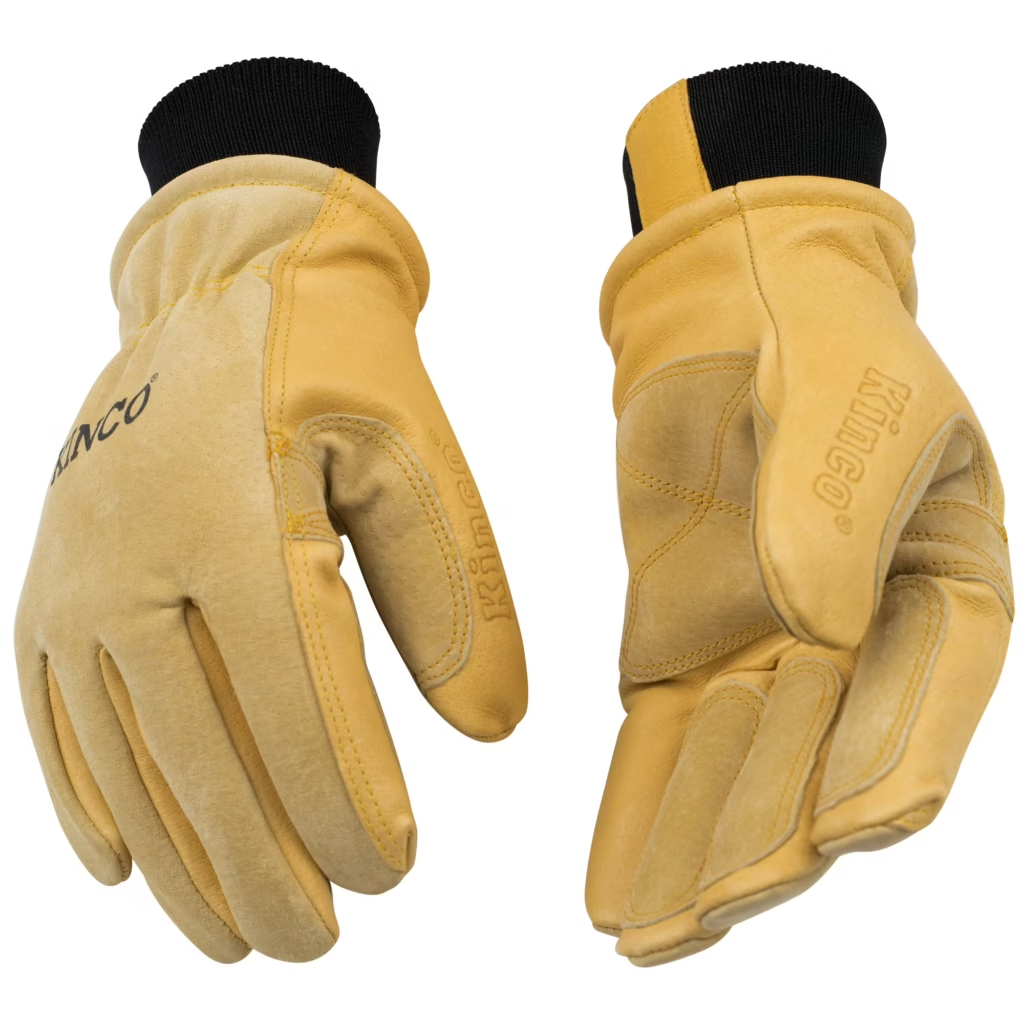
Best for: Heavy digging, sustained tool use, rough clearing work Not for: Precision planting or tasks requiring close finger feel
Kinco has been making work gloves since 1917, and the 901 pigskin is what a century of refinement in heavy-use hand protection produces. Pigskin sits in the right place for garden work — tougher than goatskin and more abrasion-resistant for sustained heavy tasks, but significantly more flexible than cowhide, which can feel like working with cardboard through the first several sessions. The 901 breaks in relatively quickly and then holds its shape and flexibility without thinning.
The feature that separates this from almost every other leather glove in its category: it’s machine washable. That sounds like a small thing until you’ve been hand-cleaning garden gloves and realize how rarely it’s offered. Leather that survives a wash cycle and comes out intact is practically useful in a way that carefully maintained leather isn’t. I’ve used these through deep digging sessions, rough clearing, and sustained fork work and the leather shows none of the cracking or stiffening that cheaper alternatives develop within a season.
Small flaw: Short break-in period before reaching peak flexibility — plan to work in them for a few sessions before they feel fully natural.
Best use case: Choose this when your work is tool-heavy — digging, clearing, and repeated abrasion tasks.
Read the full leather gloves review →
3. COOLJOB Long Sleeve Thorn Proof Gloves — Best Thorn-Proof
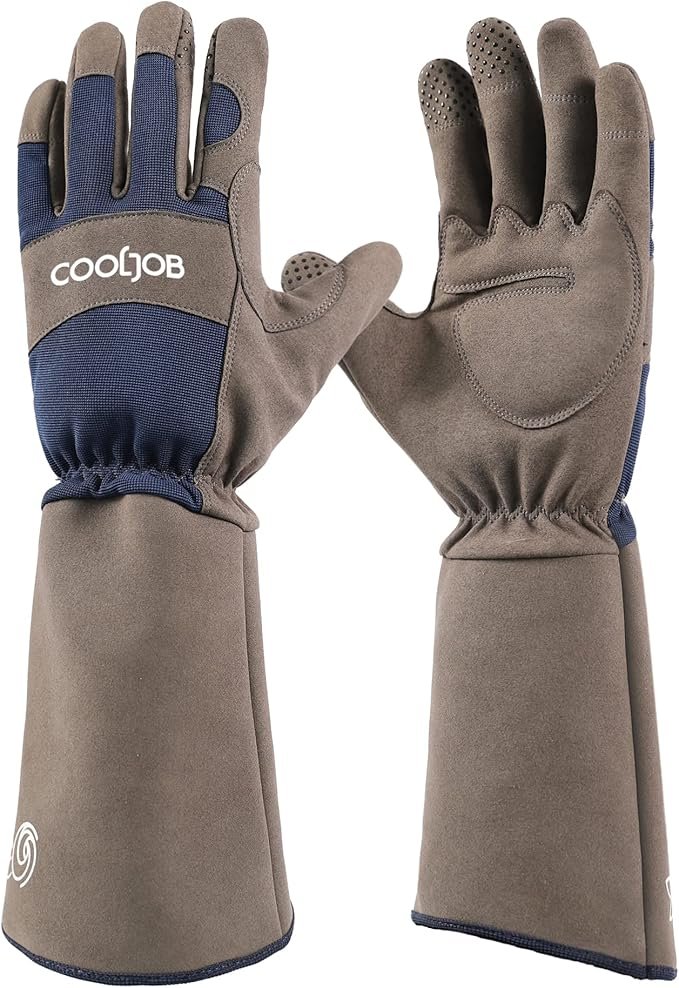
Best for: Rose pruning, brambles, thorny shrubs, training climbing roses
Not for: Everyday light gardening where the extra coverage becomes unnecessary bulk
These are the gloves to reach for before working with anything that fights back. The faux suede leather construction with reinforced palms stops thorns under real pruning pressure — not just light contact. That distinction matters. Many gloves marketed as thorn-proof handle incidental contact but fail when you’re pushing through dense rose canes or bramble growth.
The long sleeve design is what makes these stand out. Most cuts and scratches happen on the forearm when reaching into plants. Standard gloves protect the hand but leave that exposed — these close that gap completely.
Reinforced knuckles and grip-enhanced fingers keep control steady when using pruners or handling stems. They’re also machine washable, which is more useful than it sounds once they’ve been through a few sessions.
Best use case: pruning roses, clearing thorny shrubs, and any work where forearm protection matters as much as hand protection.
4. G&F Products 100% Waterproof Winter Gloves — Best Waterproof Gloves
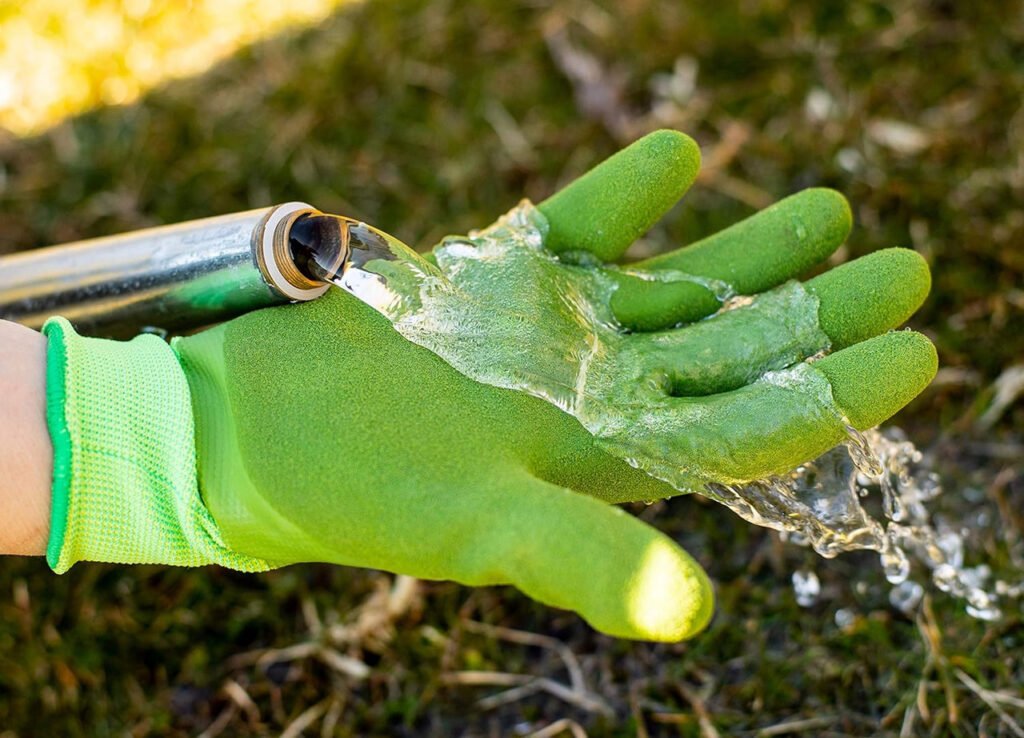
Best for: Wet soil, cold and damp conditions, autumn planting, turning wet compost
Not for: Warm conditions where the insulated lining becomes unnecessary heat
Most waterproof gloves solve one problem and create another. They keep external moisture out but trap heat and sweat inside, leaving your hands just as wet by the end of a session. These approach it differently — a double-layer HPT coating blocks water while the insulated lining keeps hands comfortable in cold, damp conditions.
This is a cold-weather waterproof glove, not a year-round solution. Where they excel is in the exact conditions most gardeners actually struggle with: wet soil in cooler temperatures. Autumn planting, early spring prep, turning compost after rain — situations where both moisture and temperature matter at the same time.
The grip holds up well on muddy handles and slick root balls, which is where cheaper waterproof coatings tend to fail. Widely available at big-box stores, which also makes them one of the easiest upgrades from standard gloves.
Best use case: cold, wet gardening sessions where you need both waterproofing and warmth without losing grip.
Quick tip: Most gardeners end up needing two pairs of gloves — one for everyday work and one for specific tasks like thorn pruning or wet conditions. Trying to force one glove to do everything is usually where frustration starts.
5. Wells Lamont Nitrile Coated — Best Budget Gloves
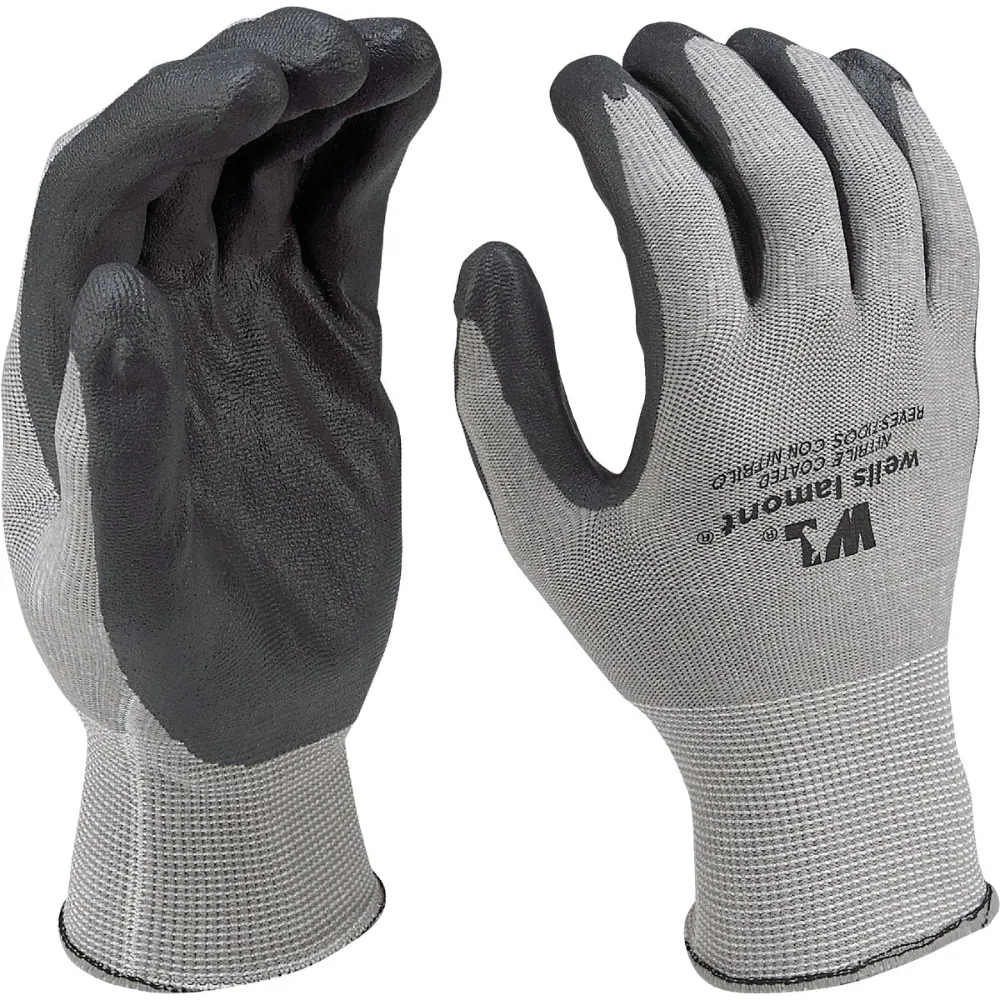
Best for: Everyday light to moderate gardening, keeping multiple pairs in rotation
Not for: Heavy sustained work where premium construction pays off over time
Wells Lamont has been producing work gloves for decades, and their nitrile-coated options are one of the most reliable budget choices available at major retailers. Where most low-cost gloves fail is at the fingertips and palm edges — the coating thins out quickly and starts breaking down after a few sessions. These hold up noticeably better than most in the same price range.
They’re not built for heavy, repeated abuse. But that’s not the role they’re meant to fill. These are the gloves you grab for everyday work — weeding, planting, quick cleanup sessions — without worrying about wearing out a more expensive pair.
The real advantage here is practicality. At this price point, you can keep multiple pairs on hand, rotate them, and replace them without hesitation.
Best use case: general gardening tasks where affordability and reliability matter more than long-term durability.
6. Mechanix Wear Original — Best for Heavy Garden Work
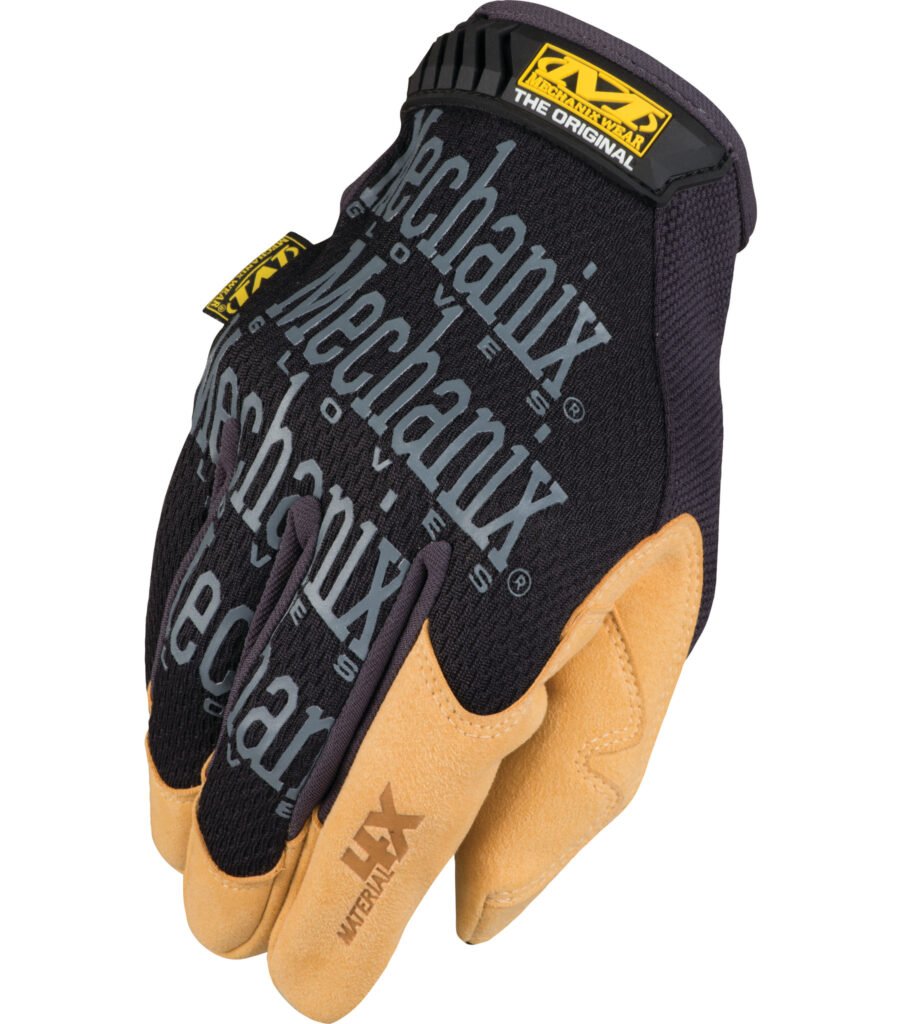
Best for: Sustained digging, repetitive tool use, rough clearing and grubbing
Not for: Precision planting or tasks requiring close tactile feel
The Mechanix Wear Original wasn’t designed for gardening — which is exactly why it performs so well for heavy garden work. Built for mechanics working in high-abrasion environments, it handles the kind of repeated grip, pressure, and friction that digging and tool use demand.
The synthetic leather palm is thick and durable, resisting wear far better than most gloves marketed specifically for gardening. It doesn’t thin out after a few sessions, and it holds up under extended use where cheaper coatings start to fail.
The secure wrist closure is a small but important detail — it keeps soil out during deep digging sessions, which makes a noticeable difference over time.
Best use case: heavy, tool-driven work like digging, raking, and clearing where durability matters more than dexterity.
7. Atlas 370 Black Nitrile — Best for Wet Soil Conditions
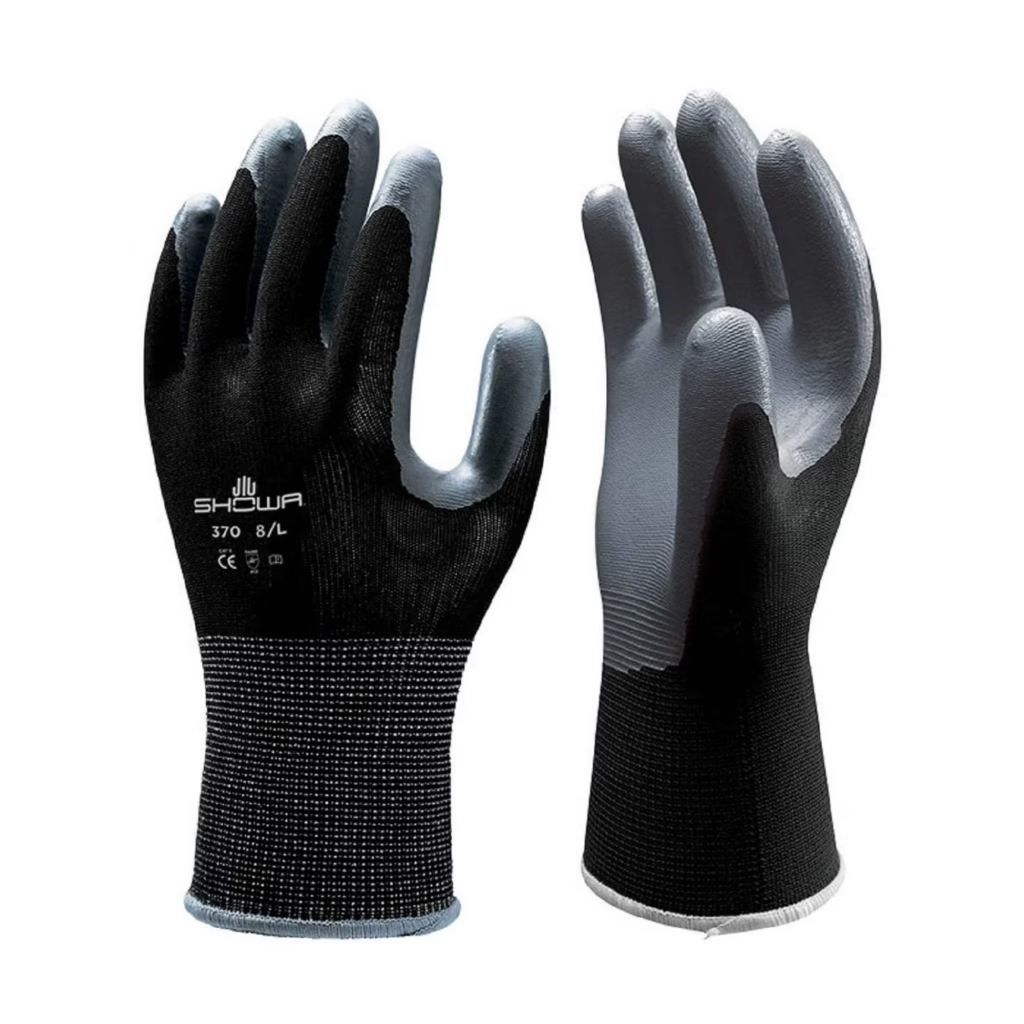
Best for: Weeding and general gardening in consistently damp or wet conditions
Not for: Dry conditions where the wet-grip advantage matters less
If your garden stays damp through spring, gets frequent rain, or has heavier soil that never quite dries out, the Atlas 370 earns its place. The nitrile coating holds traction well on wet stems, muddy roots, and slick tool handles — exactly where smoother coatings start to feel unreliable.
The fit is close enough for detail work, which matters for weeding and cleanup jobs where bulkier gloves get in the way. That balance is what makes these useful: they keep the grip advantage of a wet-condition glove without turning into a stiff, overly specialized option.
Where they separate themselves is consistency. In damp conditions, they simply feel more controlled than standard general-purpose gloves.
Best use case: everyday gardening in wet or muddy conditions where grip matters more than heavy-duty protection.
8. OZERO Leather Work Gloves — Best for Rose Pruning on a Budget
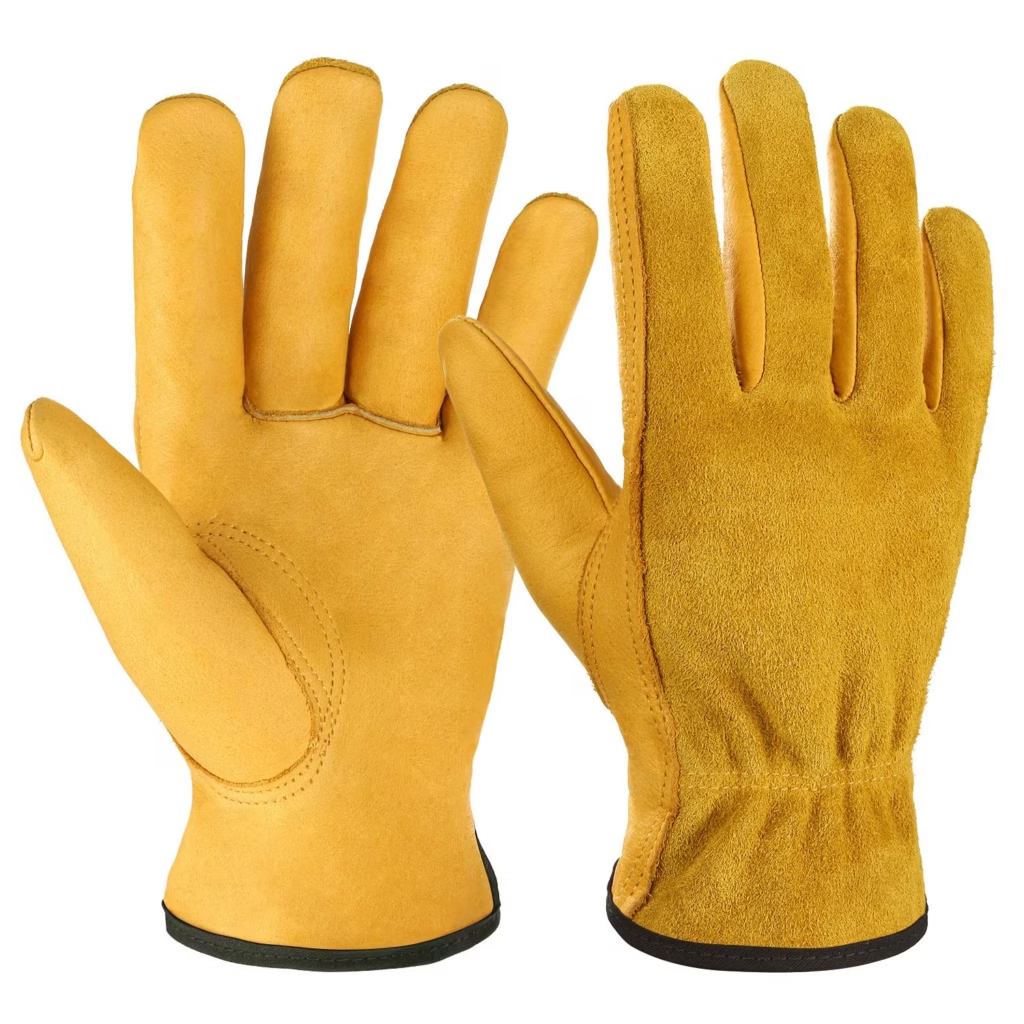
Best for: Rose pruning and thorn protection without a specialist glove price
Not for: Extended heavy sessions where premium leather pays off over time
If you need real thorn protection but don’t want to pay for a specialist gauntlet glove, the OZERO leather gloves are a practical middle ground. The reinforced leather palm and fingers handle standard rose thorns under normal pruning pressure, which is where most gardeners actually need protection.
They’re not built for extreme use — heavy bramble clearing or long, repeated sessions will wear them down faster than premium leather options. But for managed gardens, occasional pruning, and seasonal maintenance, they do exactly what most people need without overpaying.
The balance here is cost versus protection. You’re getting meaningful thorn resistance at a price point that makes sense for occasional use.
Best use case: routine rose pruning and light thorn work where you want protection without investing in a heavy-duty specialist glove.
9. Digz Women’s Grip Gloves — Best for Smaller Hands
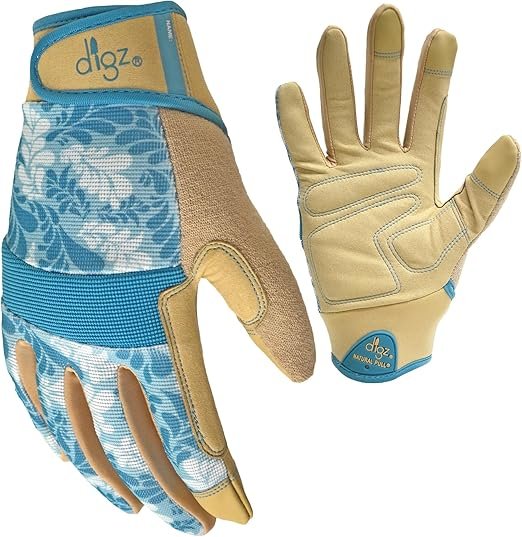
Best for: Gardeners with smaller hands who struggle with standard glove sizing
Not for: Heavy-duty work requiring thick protection
One of the most common problems with garden gloves isn’t durability — it’s fit. Standard gloves often leave excess material at the fingertips, which kills dexterity and makes even simple tasks frustrating. Digz solves that by designing gloves specifically for smaller hands rather than just scaling down a larger pattern.
That difference shows up immediately. The fingers fit properly, the palm sits correctly, and you don’t get the bunching that makes precise work harder than it needs to be.
They’re not built for heavy-duty tasks — the focus here is comfort, control, and usability. For planting, weeding, and general garden maintenance, that trade-off makes sense.
Best use case: precision tasks where proper fit and control matter more than maximum protection.
10. Firm Grip Nitrile Dipped — Best Convenience Buy
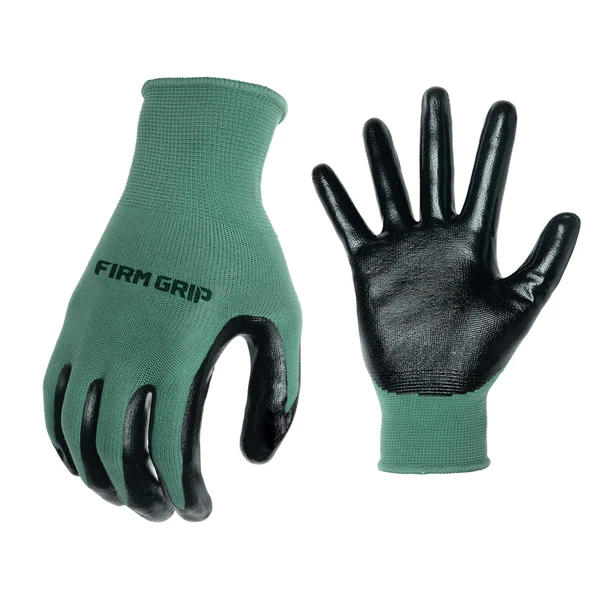
Best for: Gardeners who want a reliable glove available locally at Walmart, Home Depot, or Lowe’s
Not for: Long-term durability or specialized tasks
Not every gardening purchase is planned. Sometimes you need gloves today, not after comparing specs or waiting for delivery. Firm Grip nitrile dipped gloves fill that role better than most — they’re widely available, inexpensive, and good enough for everyday tasks like weeding, planting, and light tool use.
They don’t try to be a premium glove, and they don’t perform like one over time. The coating wears faster than mid-range options, and the fit isn’t as refined. But that’s not the point — these are a convenience buy.
What they do offer is immediate usability. You can walk into almost any big-box store, grab a pair, and get to work without overthinking it.
Best use case: quick, local purchase when you need a general-purpose glove immediately.
Which Glove Is Right for Your Task?
| Task | Best Glove | Why |
|---|---|---|
| Everyday gardening | Showa 370 | Versatile grip, precise fit, handles most conditions |
| Heavy digging | Kinco 901 or Mechanix Wear | Abrasion resistance for sustained tool use |
| Rose and thorn pruning | Pine Tree Tools Bramble | Puncture resistance with gauntlet cuff |
| Budget thorn protection | OZERO Leather | Thorn resistance at accessible price |
| Wet conditions | Showa 451 Temres | Breathable waterproof construction |
| Budget everyday use | Wells Lamont Nitrile | Reliable coating at accessible price |
| Smaller hands | Digz Women’s Grip | Proportioned fit rather than scaled-down standard |
| Available today locally | Firm Grip Nitrile | Stocked at every major US retailer |
Final Recommendation
If you’re unsure where to start, the Showa 370 is the safest overall choice for most gardeners. It handles the widest range of tasks without sacrificing comfort or grip.
For heavier work, add a second pair like the Mechanix Wear or Kinco 901. That two-glove setup covers almost every situation you’ll run into in a home garden.
See Also
- How to Choose Garden Gloves That Actually Protect Your Hands — complete material and fit guide
- Best Garden Gloves for Weeding — the top options for the most common garden task
- Best Garden Gloves for Digging — heavy-work gloves in depth
- Best Leather Gardening Gloves — if leather is your preferred material
- Best Waterproof Gardening Gloves — full wet-condition guide
- Best Gloves for Rose Pruning — thorn protection in depth
- Nitrile vs Leather Garden Gloves — full material comparison
- Coated vs Dipped Garden Gloves — understanding coating types