Anyone who’s ever reached into a rose bush without the right gloves knows that specific kind of regret — the sharp, sudden sting of a thorn finding the gap between your glove and your wrist, or worse, pushing straight through a glove that wasn’t up to the job. If you grow roses, brambles, hawthorn, or anything else with serious spines, the 7 best thorn proof gardening gloves for roses and pruning aren’t a luxury. They’re just common sense.
Why Regular Gardening Gloves Don’t Cut It With Thorns
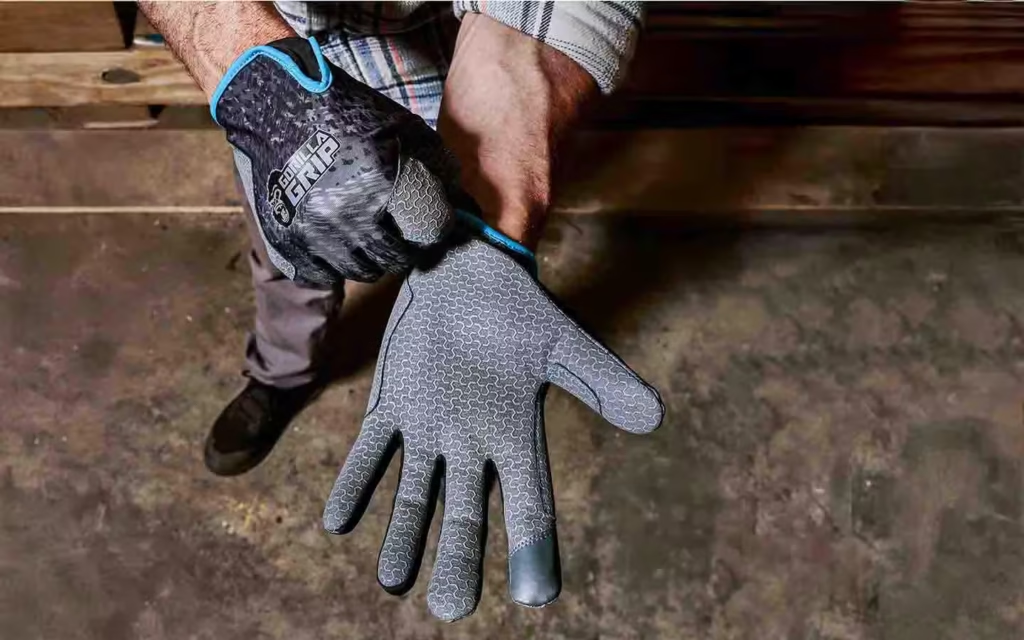
Most standard gardening gloves are designed for soil work — digging, planting, weeding. They’re made from fabric, lightweight nitrile, or thin latex, which is perfectly fine when you’re potting herbs or pulling dandelions. But put those same gloves up against a mature rose cane or a blackberry thicket, and they fail quickly and painfully.
Thorns don’t just poke — they grab and drag. A rose thorn can catch on fabric and tear right through it, or hook into a loose weave and pull the glove off your hand entirely. And with pruning, you’re not just brushing past thorns occasionally — you’re working directly in and around them, often with both hands, for extended periods.
The difference between a regular glove and a genuinely thorn-proof glove comes down to materials and construction. Thorn-proof gloves use thicker, more puncture-resistant materials — typically leather, heavy-duty synthetic leather, or reinforced fabric — and are designed to keep thorns from penetrating even under direct pressure.
That said, there’s a trade-off. Thicker materials mean less flexibility and dexterity, which is why finding the right balance between protection and usability matters so much. A glove that stops every thorn but makes it impossible to feel what you’re doing isn’t much of a solution either.
What to Look for in a Thorn Proof Gardening Glove
Before we get into the picks, here’s what actually separates a good thorn-proof glove from one that just looks tough on the packaging.
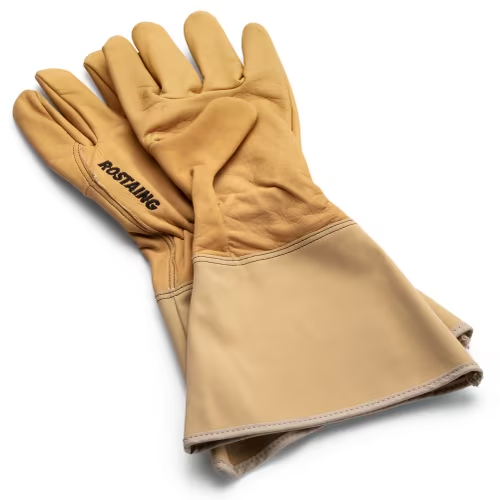
Material matters most. Leather — particularly goatskin, cowhide, and pigskin — is the traditional choice for thorn resistance, and for good reason. It’s naturally tough, puncture-resistant, and molds to your hand over time. Goatskin is the sweet spot for most gardeners: it’s supple enough to maintain decent dexterity while still offering real protection against thorns.
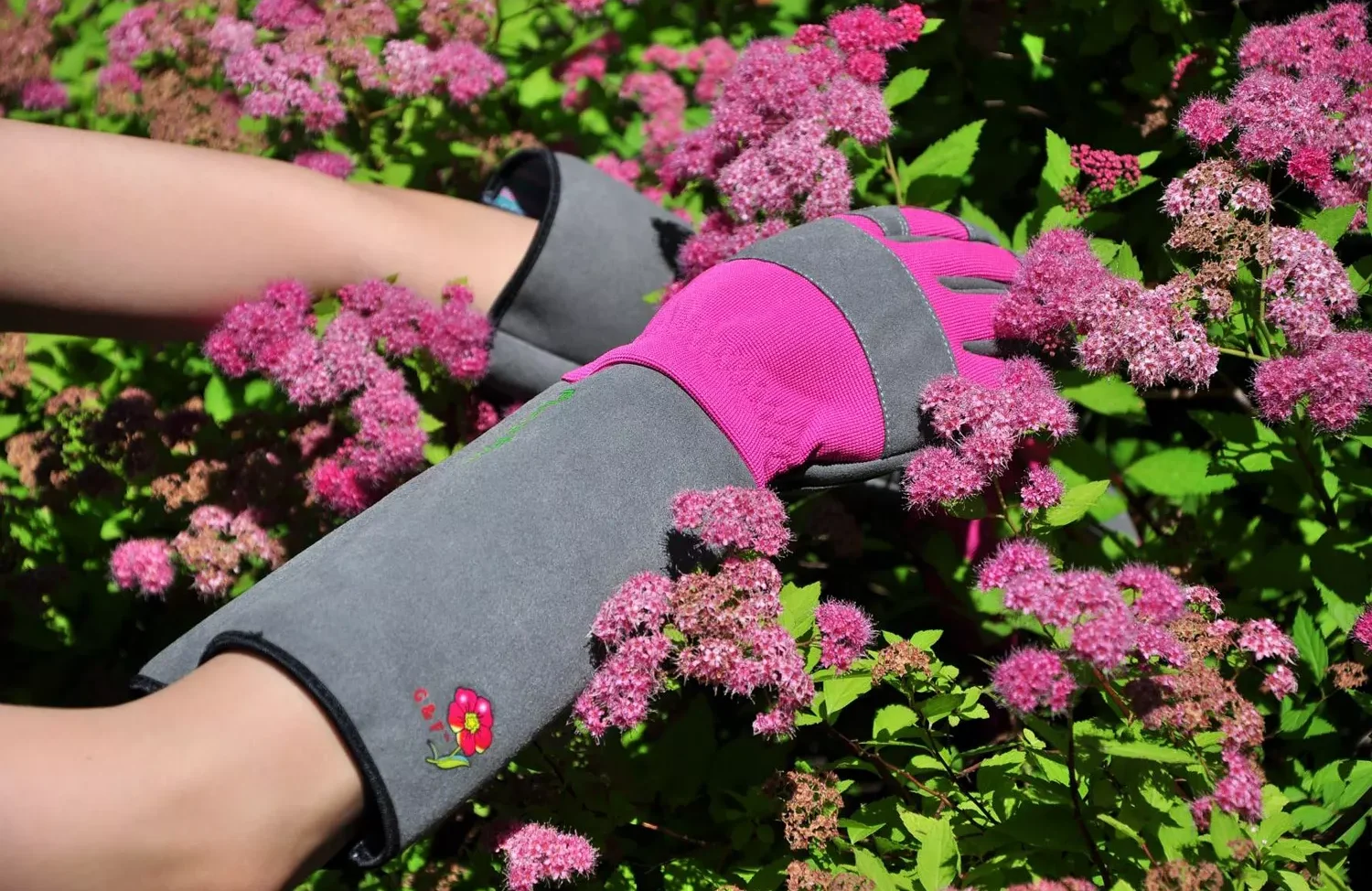
Gauntlet-style cuffs are worth it. A thorn-proof palm doesn’t help much if a rose cane rakes across your bare forearm every time you reach into the bush. Extended gauntlet cuffs — the kind that reach up toward the elbow — protect your wrists and lower arms, which are just as likely to encounter thorns during pruning as your hands.
Reinforced fingertips. Your fingertips take the most direct contact with thorns during pruning. Look for gloves with extra reinforcement in this area, whether that’s double-layered leather, additional stitching, or a tougher outer material over the fingertips specifically.
Fit and dexterity. Protection is the priority, but a glove so stiff and bulky that you can’t operate pruning shears properly defeats the purpose. The best thorn-proof gloves manage to be both protective and workable.
7 Best Thorn Proof Gardening Gloves for Roses and Pruning
1. Celestron Pine Tree Tools Bramble Gloves — Best Overall
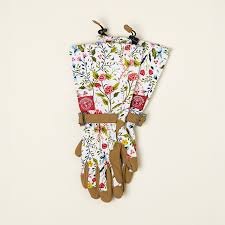
If you only try one pair from this list, make it these. The Pine Tree Tools Bramble Gloves have earned a passionate following among rose gardeners and anyone who works regularly with thorny plants, and it’s not hard to see why.
They’re made from a puncture-resistant synthetic material that genuinely stops thorns — not just light ones, but the thick, hooked thorns on mature rose canes and brambles that would go straight through a fabric glove. The extended gauntlet cuff reaches well past the wrist, protecting the forearm during deep pruning work.
What makes them stand out beyond just protection is the fit. They’re surprisingly flexible for a thorn-proof glove, which means you can actually grip pruning shears properly and feel what you’re doing. A lot of heavy-duty gloves in this category feel like gardening with oven mitts on. These don’t.
They also come in sizes that fit a wide range of hands, and the feedback from gardeners with smaller hands is particularly positive — which isn’t always the case with thorn-proof gloves that tend to skew large.
2. OZERO Leather Work Gloves — Best Leather Option
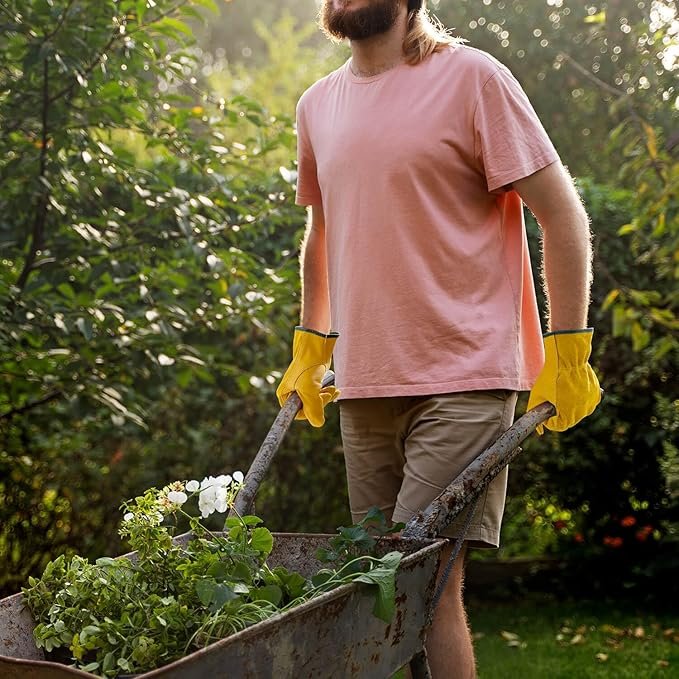
For gardeners who prefer natural materials and want a glove that gets better with wear, the OZERO leather gloves are the answer. Made from genuine goatskin leather, they offer excellent thorn resistance while remaining soft and flexible enough for detailed pruning work.
Goatskin is genuinely the best leather for this application. It’s tougher than you’d expect for how supple it feels, and it conforms to the shape of your hand over time, which makes these gloves feel more natural the longer you use them. Unlike stiffer cowhide gloves, you won’t spend the first few sessions wrestling with the material before it breaks in.
The gauntlet cuff extends past the wrist for added protection, and the reinforced palm and fingertips are where you need them most. They’re not fully waterproof, so if you’re pruning after heavy rain, your hands may get damp — but for dry-weather rose work, they’re hard to beat.
3. Exemplary Gardens Rose Pruning Gloves — Best for Long-Stem Roses
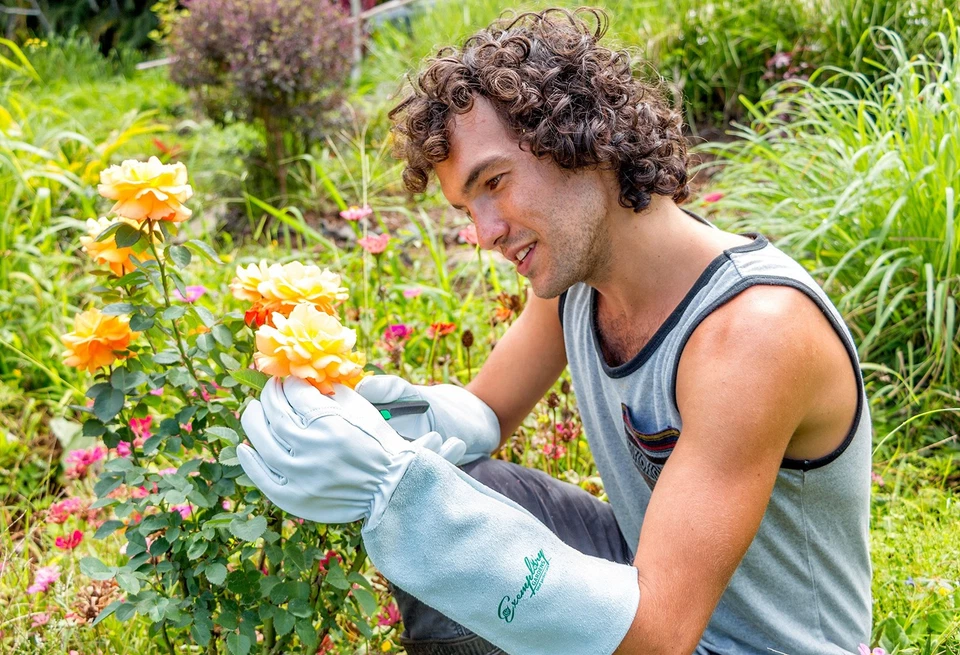
Here’s one built specifically with rose gardeners in mind, and it shows. The Exemplary Gardens gloves feature an extra-long gauntlet that extends significantly further up the arm than most thorn-proof gloves — which is exactly what you need when you’re working with tall, climbing roses or long-stemmed varieties that have thorns running the full length of the cane.
The thorn-resistant material is tough without being so rigid that you lose all feeling in your hands. The fit is snug at the fingers, which helps with the kind of precise work that rose pruning often requires — deadheading, cutting to an outward-facing bud, removing crossing canes without disturbing the ones you want to keep.
If your garden features climbers, ramblers, or any rose variety with particularly aggressive thorns, the extra arm coverage on these makes them worth the investment.
4. Bionic Relief Grip Gardening Gloves — Best for Comfort During Long Sessions
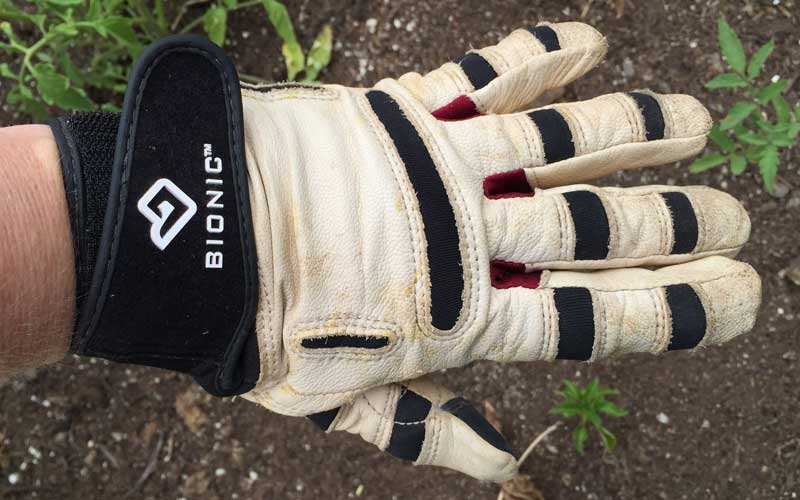
Pruning roses isn’t always a quick job. If you have a large garden, multiple rose beds, or the kind of ambitious climbing rose situation that requires a ladder and significant commitment, you’re going to be wearing your gloves for a while. In that case, comfort becomes just as important as protection.
The Bionic Relief Grip gloves are designed with ergonomics in mind — they have pre-rotated finger positioning and padding in the right places to reduce hand fatigue during extended use. The thorn resistance is solid, and the grip is excellent for handling pruning shears repeatedly without your hand getting tired.
They’re not the most heavily armored glove on this list, so if you’re dealing with extremely dense, mature thorn growth, you might want something thicker. But for regular rose maintenance over longer sessions, the comfort factor makes a real difference by the end of the day.
5. G & F Products Soft Jersey Gloves with Leather Palm — Best Budget Thorn-Proof Option
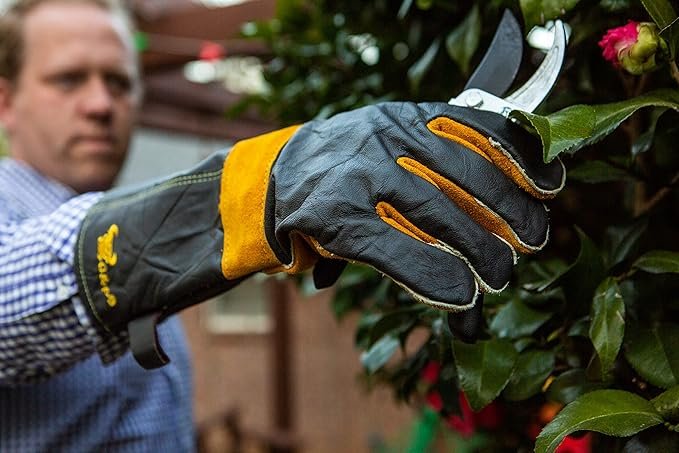
Quality thorn-proof gloves don’t have to cost a fortune, and the G & F Products leather palm gloves prove it. The leather palm and finger reinforcement provide genuine thorn protection where you need it most, while the jersey back keeps things breathable and comfortable.
They’re not as heavily armored as some of the other options on this list — the back of the hand has less protection than the palm side — but for most rose pruning and general work with thorny plants, they’re more than adequate. And at their price point, keeping a couple of spare pairs on hand is easy enough that you’re never stuck working without proper gloves.
The fit is comfortable and they’re available in multiple sizes, which helps with the perennial glove problem of finding something that actually fits your hands properly.
6. Fortem Thorn Proof Gardening Gloves — Best for Brambles and Wild Hedges
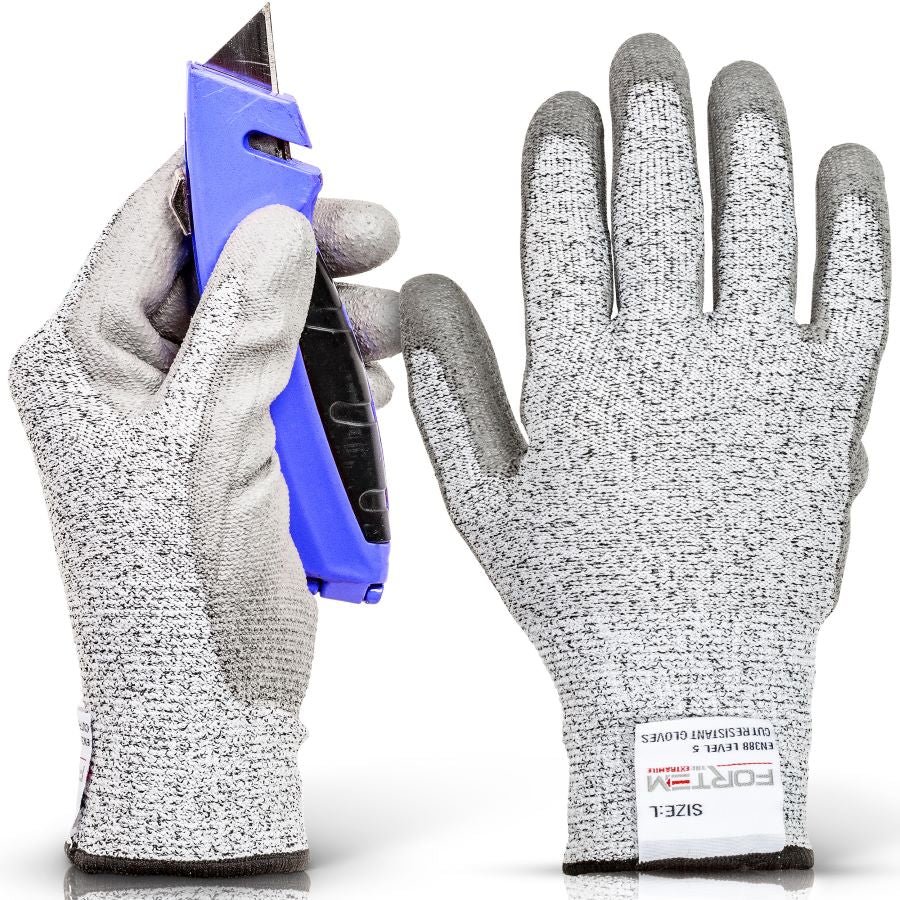
Roses are one thing. Brambles, hawthorn hedges, and wild thickets are another category entirely — the kind of thorns that are longer, stiffer, and more aggressive than anything in a cultivated garden bed. If your pruning work takes you beyond roses into genuinely wild or overgrown thorny growth, you need something built for it.
The Fortem thorn-proof gloves use a thick, reinforced synthetic material that holds up against the kind of thorns that would defeat a lighter glove entirely. The extended gauntlet cuff and reinforced forearm protection make them particularly well-suited for hedge work and clearing overgrown areas where thorns can come at you from multiple directions at once.
They’re on the stiffer side, which does limit dexterity somewhat — these aren’t the gloves for delicate deadheading work on prized hybrid teas. But for rough, aggressive pruning of difficult plants, they offer protection that lighter gloves simply can’t match.
7. Ladies’ Nitrile Grip Gloves with Puncture Resistance — Best Lightweight Option
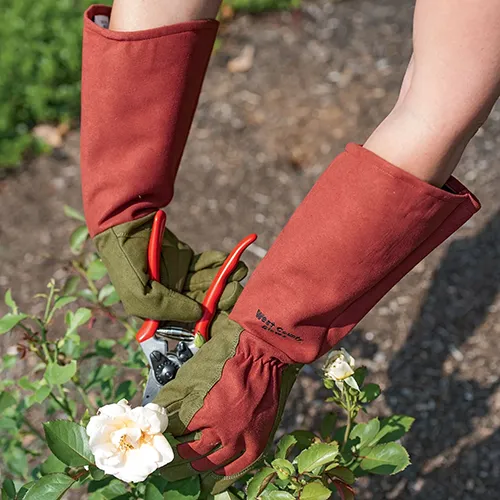
Sometimes you want thorn protection without giving up the lightness and feel of a regular gardening glove. For light to moderate work with thorny plants — trimming small rose bushes, handling cut stems, deadheading — a heavy leather gauntlet can feel like overkill.
These nitrile grip gloves with puncture-resistant reinforcement offer a middle ground. They’re not going to stop a thick rose cane thorn under serious pressure, but they handle light to moderate thorn contact well, and they feel much more like regular gardening gloves than the heavier options on this list.
The grip is excellent, the fit is precise, and the lighter construction means your hands don’t fatigue as quickly during less intensive work. Think of them as everyday gloves with meaningful thorn resistance, rather than full armor — and use them accordingly.
How to Match Your Glove to Your Pruning Work
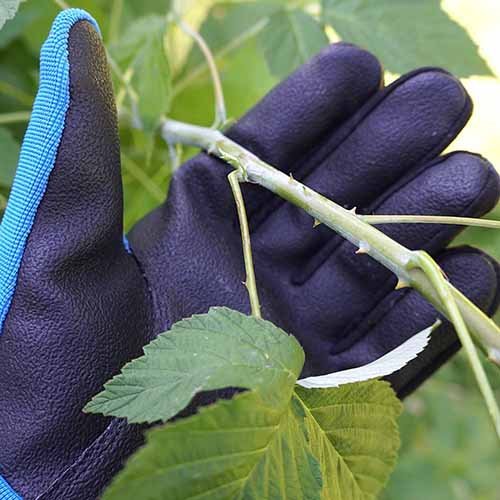
The right glove really depends on what you’re pruning and how intense the work is. Here’s a simple breakdown:
- Climbing and rambling roses with long, aggressive canes — go for the Exemplary Gardens long-gauntlet gloves or Pine Tree Tools Bramble Gloves for maximum arm coverage.
- Regular rose bed maintenance and deadheading — the OZERO leather gloves or Bionic Relief Grip gloves offer the right balance of protection and dexterity.
- Brambles, hawthorn, and wild hedges — the Fortem gloves are built for this kind of aggressive work.
- Budget-conscious gardeners — the G & F Products gloves deliver solid thorn resistance without a high price tag.
- Light pruning with minimal thorn contact — the lightweight nitrile puncture-resistant option keeps things nimble and comfortable.
Caring for Your Thorn Proof Gloves
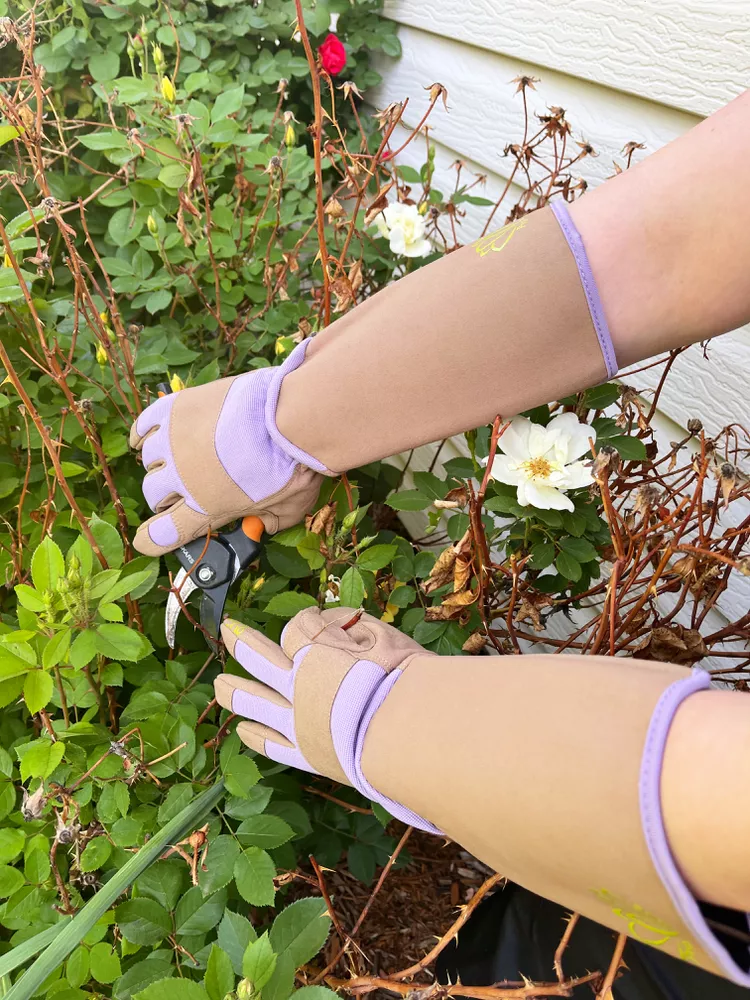
A good pair of thorn-proof gloves is an investment, and taking care of them properly means they’ll last multiple seasons.
For leather gloves, wipe off soil and debris after each use and apply a leather conditioner occasionally to keep the material supple and prevent cracking. Avoid soaking leather gloves in water — if they get wet, let them dry naturally away from direct heat, which can cause the leather to stiffen and crack.
For synthetic and nitrile gloves, a rinse after use is usually all they need. Let them air dry fully before storing, and keep them out of direct sunlight, which degrades synthetic materials faster than most people expect.
Store all gloves in a cool, dry place. A simple hook or peg in the garden shed is ideal — it keeps them accessible and lets them breathe between uses.
Final Thoughts
Thorns are one of the garden’s most effective defenses, but they shouldn’t be the reason you dread working with your roses and pruning your hedges. The 7 best thorn proof gardening gloves for roses and pruning on this list give you real protection without making you feel like you’re working with your hands wrapped in cardboard.
Start with the Pine Tree Tools Bramble Gloves if you want a reliable all-rounder. Choose leather if you prefer natural materials and want a glove that improves with wear. Go long on the gauntlet if you have climbers or aggressive canes to deal with. And match the weight of the glove to the intensity of the work — you don’t always need the heaviest armor, just the right tool for the job.
Your roses are worth the effort. So are your hands.