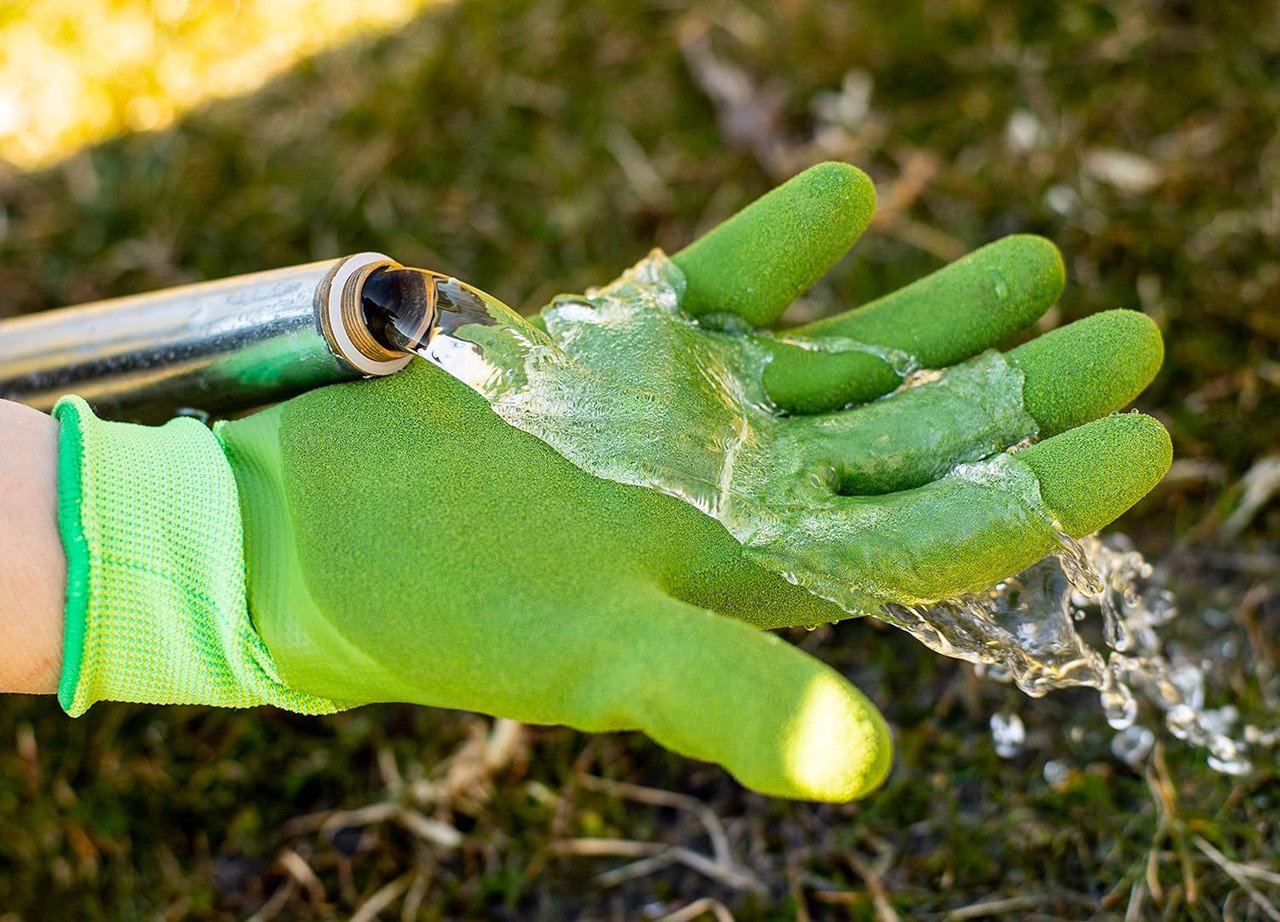
Best Waterproof Gardening Gloves (That Keep Hands Dry Without Overheating)
Waterproof gardening gloves sound simple — until you actually use them.
Most keep water out, but trap heat and sweat inside. After an hour, your hands are just as wet — just from the inside instead of the outside. Others lose grip in wet conditions, which makes even basic tasks harder than they should be.
The best waterproof gloves balance three things: keeping external moisture out, managing internal heat, and maintaining grip in wet conditions.
If you want a full breakdown of glove materials and coatings first:
→ /how-to-choose-garden-gloves/
Quick Picks:
- Best Overall: G&F Waterproof Gloves
- Best for Cold Weather: Showa Atlas 282 Thermal
- Best for Flexibility: Showa 460 Waterproof
- Best Budget: Wells Lamont Waterproof
- Best Alternative: Atlas 370 (Water-Resistant)
What Makes a Good Waterproof Gardening Glove
Waterproof gloves fail when they solve one problem and create another.
- Waterproofing: keeps external moisture out
- Breathability: reduces internal sweat buildup
- Grip: must hold in wet, muddy conditions
- Insulation: useful for cold weather but not always necessary
Fully waterproof gloves work best in cold conditions. In milder weather, water-resistant gloves often perform better because they don’t trap as much heat.
Why Wet Hands in the Garden Are a Bigger Problem Than You Think
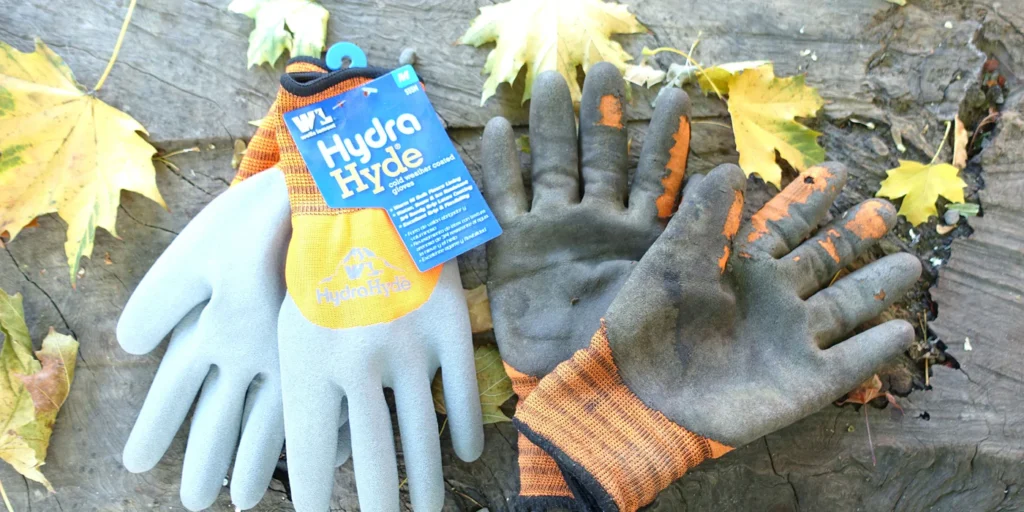
It’s easy to brush off wet gloves as a minor inconvenience, but working with cold, damp hands causes real problems beyond just discomfort.
Moisture softens skin over time, making it more vulnerable to cuts and scrapes from rough surfaces, thorny plants, and sharp tools. Cold hands also lose dexterity faster than most people realize — and when you’re trying to maneuver a trowel through saturated clay or coax a stubborn root out of waterlogged ground, clumsy hands make everything harder and slightly more dangerous.
And then there’s the grip issue. Gloves that weren’t designed for wet conditions get slippery when wet, which is the last thing you want when you’re working with tools. A waterproof glove designed for wet conditions solves all of this at once.
What Actually Makes a Glove Waterproof?
“Waterproof” gets thrown around pretty loosely in the gardening world, so it’s worth knowing what you’re actually looking for before you buy.
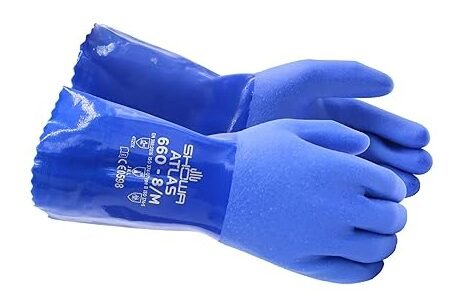
Full rubber or PVC coating is the most reliably waterproof construction. There’s no fabric to absorb moisture — just a solid barrier between your hands and whatever wet mess you’re working in. The trade-off is that these gloves are thicker and less flexible than other options.
Nitrile or latex coating covers the palm, fingers, and often the back of the hand. These offer excellent waterproof protection while remaining more flexible and comfortable than full rubber. The one weak spot is often the wrist — if water is running down your forearms or you’re working with your hands submerged, some can sneak in at the cuff.
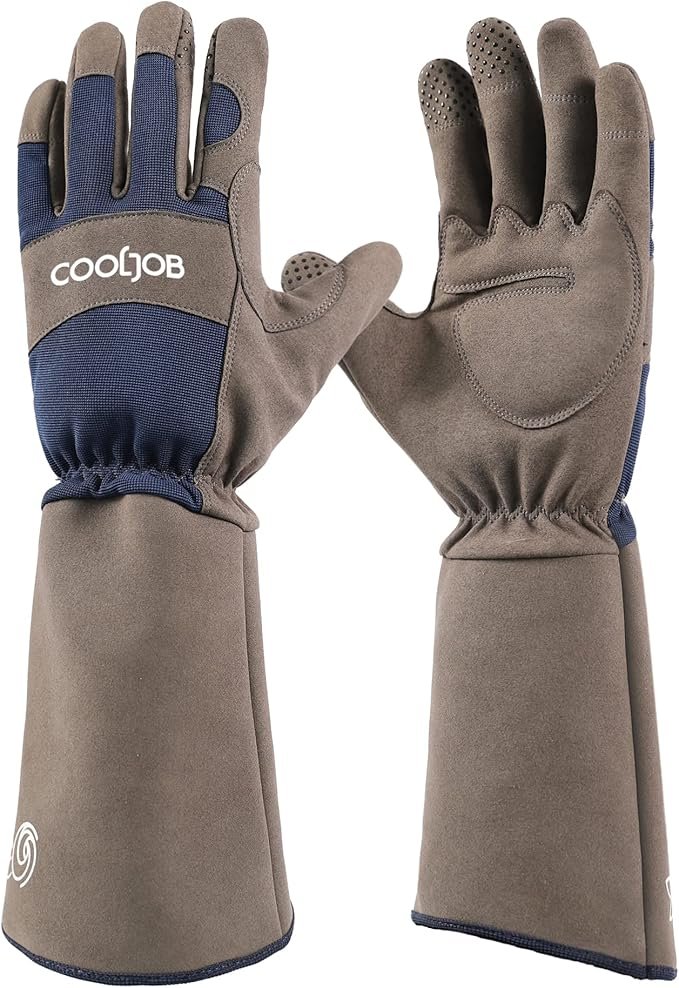
Membrane-lined gloves use a waterproof inner layer — similar to what you’d find in a quality rain jacket — combined with a durable outer shell. These tend to be the most comfortable for extended wear, though they usually cost a bit more.
Water-resistant vs. waterproof — this distinction matters. Water-resistant gloves shrug off light rain and surface dampness. Waterproof gloves are built for repeated, prolonged contact with wet soil, mud, and standing water. If your garden regularly gets properly soggy, don’t settle for water-resistant.
The Best Waterproof Gardening Gloves You Can Buy
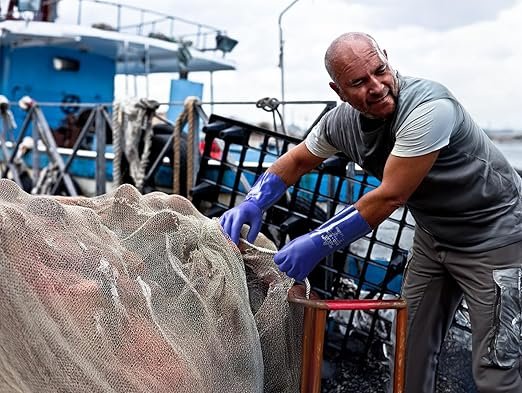
1. Showa 660 Temres — Best Overall Waterproof Gardening Glove
Best for: general wet-weather gardening, extended use in damp conditions
Not for: heavy abrasion or thorn-heavy work
If there’s one glove that consistently performs in real wet garden conditions, it’s the Showa 660 Temres. The fully waterproof coating is paired with a breathable membrane that allows some air exchange — which solves the biggest problem most waterproof gloves have: internal moisture buildup.
Instead of ending a session with soaked hands from sweat, these stay noticeably more comfortable over time. The grip holds well in both wet and dry conditions, and the fit is flexible enough for detailed work.
They do run small, so sizing up is usually the right move.
Best use case: everyday wet-weather gardening where you need waterproofing without sacrificing comfort or control.
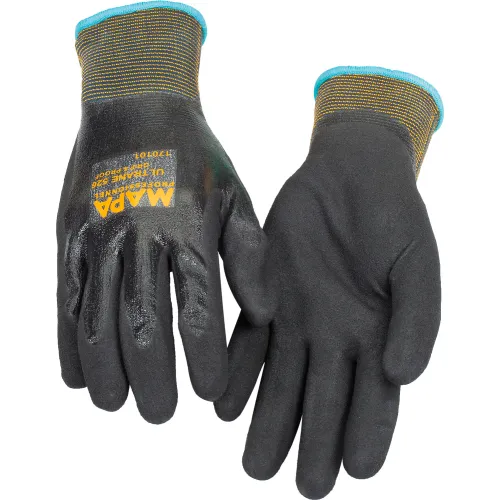
2. Mapa Professional Ultrane 526 — Best for Heavy-Duty Mud and Digging
[IMAGE: Mapa Ultrane 526 gloves]
Best for: deep digging, thick mud, waterlogged soil, and heavy-duty garden work
Not for: precision tasks or light gardening where flexibility matters
When conditions are at their worst, this is the glove that holds up. The Mapa Ultrane 526 is built for industrial use, which translates directly into durability under real garden stress — thick mud, repeated digging, and constant exposure to water.
The extended nitrile coating runs higher up the forearm than most gloves, helping keep water out even when you’re working deeper into saturated soil. The textured surface maintains grip in muddy conditions where smoother gloves start to slip.
They are bulkier and less flexible than lighter options, which is the trade-off. You’re gaining durability and protection at the cost of finesse.
Best use case: heavy, wet, and demanding garden work where standard gloves fail quickly.
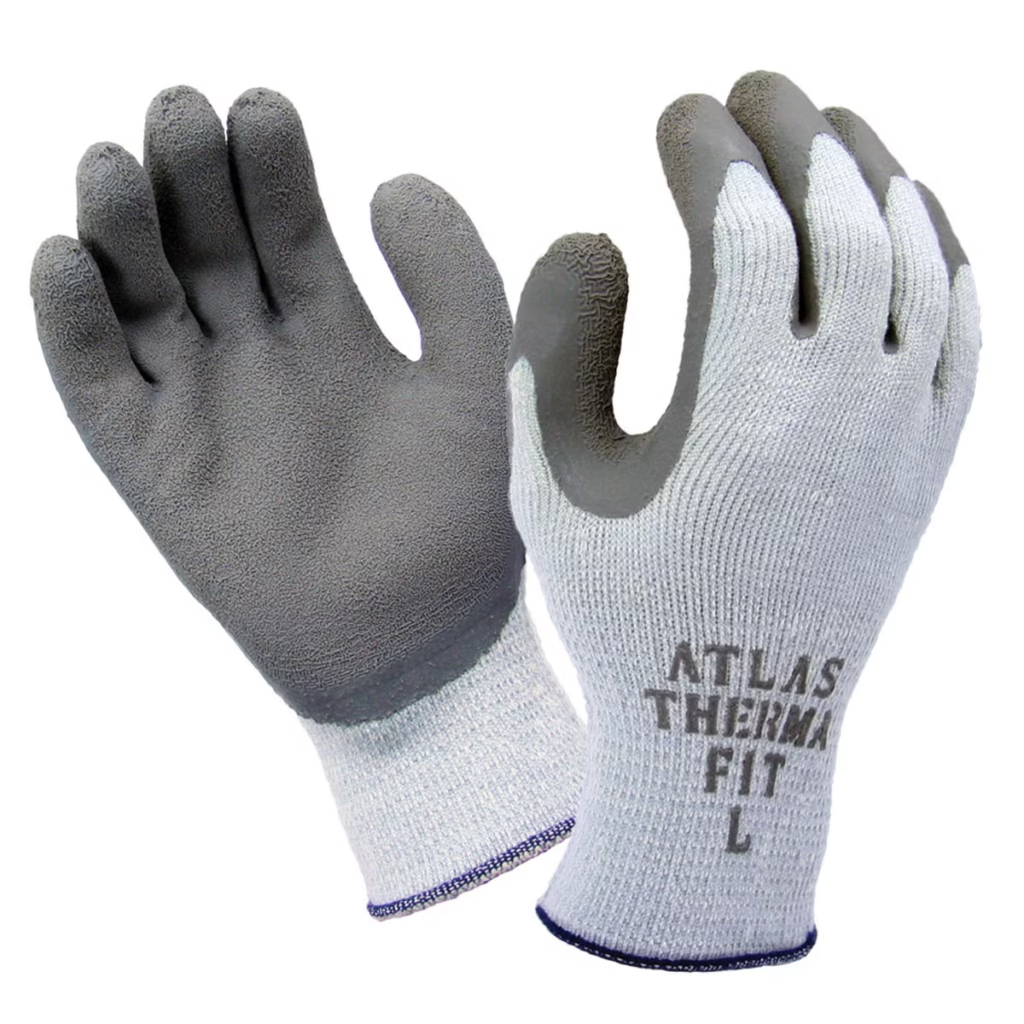
3. Atlas Therma-Fit — Best Waterproof Gardening Gloves for Cold Weather
Best for: cold, wet gardening conditions in autumn, early spring, and winter
Not for: mild or warm weather where insulation becomes excessive
Wet conditions are one problem. Cold, wet conditions are another entirely. The Atlas Therma-Fit is built specifically for that combination — a waterproof nitrile coating paired with a thermal lining that keeps your hands warm even when the soil is cold and saturated.
Where standard waterproof gloves fall short in low temperatures, these stay usable for longer sessions without your hands becoming numb or stiff. That makes a noticeable difference when you’re planting bulbs, turning soil, or doing cleanup work in colder seasons.
They are thicker than non-insulated gloves, which reduces dexterity slightly. But in cold conditions, that trade-off is worth it.
Best use case: extended gardening sessions in cold, wet weather where warmth and waterproofing are equally important.
4. Spontex Rostaing Passion — Best for Thorny Plants in Wet Conditions
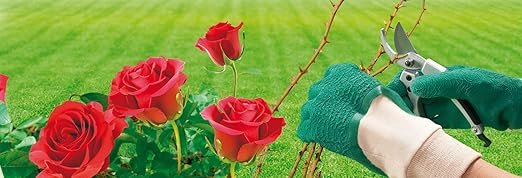
Best for: roses, brambles, and thorny plants in wet or rainy conditions
Not for: general gardening where full thorn protection isn’t necessary
Most waterproof gloves solve for moisture but ignore puncture resistance. That becomes a real problem when you’re working with roses, blackberries, or other thorn-heavy plants in wet conditions — you stay dry, but not protected.
The Spontex Rostaing Passion is built specifically for that overlap. The waterproof construction keeps moisture out, while reinforced materials handle thorn contact under real pruning pressure. The extended gauntlet cuff adds another layer of protection by preventing water and debris from entering at the wrist.
They’re more specialized than general-purpose gloves, but that’s exactly the point. If your garden combines wet conditions with thorny plants, this fills a gap most gloves don’t address.
Best use case: pruning and working with thorny plants in wet conditions where both waterproofing and puncture protection matter.
5. Full Rubber Garden Gloves — Best Budget Waterproof Option
[IMAGE: full rubber gloves]
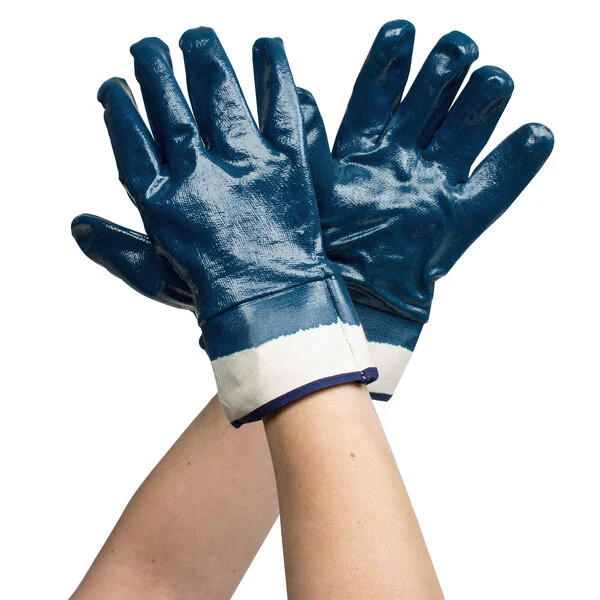
Best for: fully wet conditions, simple tasks, and easy cleanup
Not for: precision work or tasks requiring flexibility
Sometimes the simplest option is the most effective. Full rubber gloves are completely waterproof by design — there’s no coating to wear down and no fabric layer for water to seep through. If your priority is keeping your hands completely dry, this approach works reliably.
They’re also easy to clean. A quick rinse removes mud and debris, making them practical for messy jobs like turning compost, digging in saturated soil, or handling wet mulch.
The trade-off is flexibility. Rubber gloves are stiffer than coated or fabric-backed options, which makes detailed work more difficult. But for straightforward wet tasks, that trade-off is often worth it.
Best use case: simple, fully wet garden work where keeping hands dry matters more than dexterity.
6. G & F Products Women’s Garden Gloves — Best Fit for Smaller Hands
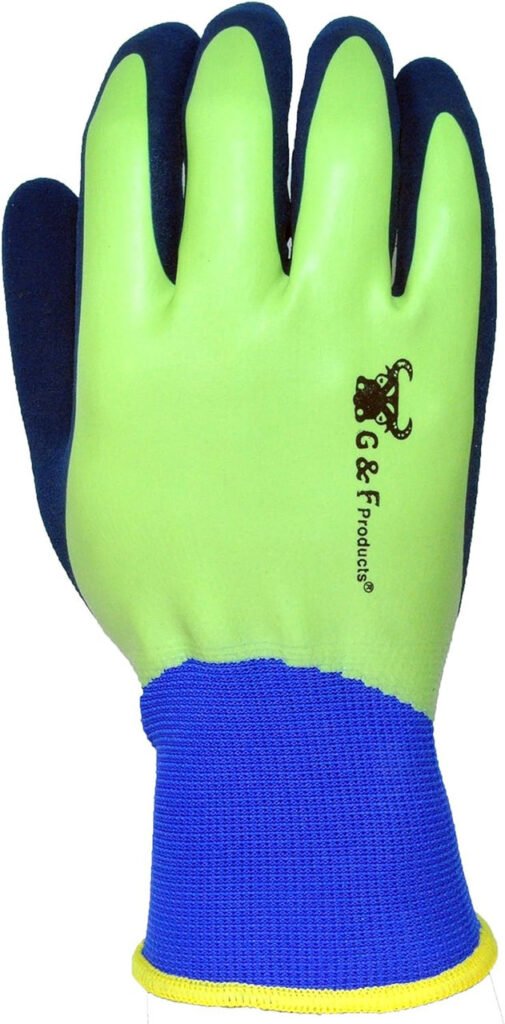
Best for: smaller hands, better control, and improved dexterity in wet conditions
Not for: heavy-duty digging or high-abrasion work
Fit is one of the most overlooked factors in glove performance. Oversized gloves bunch at the fingertips, reduce grip, and make even simple tasks harder than they should be. These are designed specifically for smaller hands, which makes a noticeable difference in control and comfort.
The waterproof nitrile coating keeps hands dry in damp soil and wet conditions, while the snug fit allows for more precise movement — especially useful for planting, weeding, and detailed garden work.
They’re not built for heavy-duty use, but that’s not their role. Where they perform best is in everyday gardening where fit and control matter more than maximum durability.
Best use case: light to moderate gardening in wet conditions where proper fit improves grip and reduces fatigue.
7. Gauntlet-Style Waterproof Gloves — Best for Deep Digging and Boggy Conditions
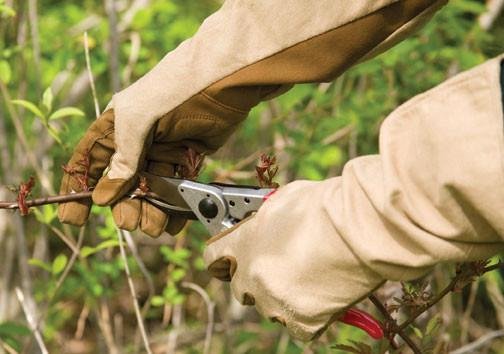
For serious trench work, planting large shrubs, or dealing with genuinely boggy ground, standard gloves just don’t go far enough — literally. Gauntlet-style gloves extend well up the forearm, creating a seal that keeps water and mud out even when you’re working elbow-deep in a saturated bed.
Look for a gauntlet glove with a tough waterproof coating, reinforced palm, and enough length to cover the forearm properly. They’re not elegant for delicate tasks, but when conditions are at their worst, they’re exactly what you need.
How to Pick the Right Glove for Your Garden
The best waterproof gardening gloves for your needs really depend on the kind of work you do and the conditions you work in. Here’s a simple way to think through it:
- Light work in damp conditions — a flexible nitrile-coated glove like the Showa Temres is comfortable and more than adequate.
- Heavy digging in genuinely wet, muddy ground — go thicker and more robust with the Mapa Ultrane or a gauntlet-style glove.
- Cold and wet weather — the Atlas Therma-Fit is the clear choice.
- Thorny plants in rainy conditions — the Spontex Rostaing Passion handles both problems at once.
- Occasional rainy sessions on a budget — a full rubber glove does the job without any fuss.
How to Make Your Waterproof Gloves Last Longer
Even the best waterproof gardening gloves wear out eventually, but a little care stretches their life considerably.
Rinse them off after each use — clay and compacted soil can dry out and crack coatings over time. Let them air dry completely before storing, and turn them inside out occasionally so the inside dries too. Store them away from direct sunlight, since UV exposure degrades rubber and nitrile faster than most people expect.
With basic care, a quality pair should carry you through multiple gardening seasons without issue.
The Bottom Line
Waterproof gloves should keep your hands dry without making them uncomfortable to use. The right choice depends on your conditions — fully waterproof options for cold, wet environments, and more flexible or water-resistant gloves for milder conditions.
Match the glove to the work. Heavier, insulated gloves perform best in cold weather, while lighter options are easier to wear for longer sessions in moderate conditions.
If you’re unsure where to start, the Showa 660 Temres is the most balanced option for most gardeners. It keeps water out while staying comfortable enough for extended use.
For tougher conditions, step up to the Mapa Ultrane 526. For cold weather, the Atlas Therma-Fit is the better choice. And for simpler tasks, a basic full rubber glove is often all you need.