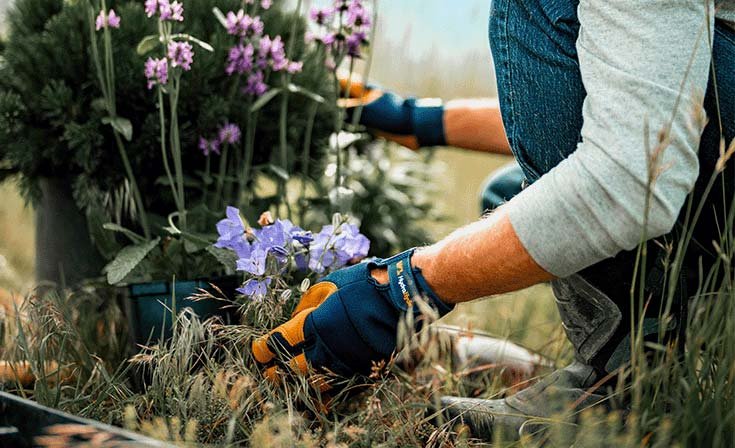
Every gardener has a glove graveyard somewhere — a drawer or a shed shelf full of pairs that seemed fine in the store and fell apart within a season. Too stiff, too thin, too sweaty, too big, or just plain useless against anything tougher than loose topsoil. Learning how to choose garden gloves properly saves you from that cycle. The right pair protects your hands, fits comfortably, and holds up through the actual work you do in your actual garden — not just the easy stuff.
Beyond comfort, wearing gloves is a key part of personal safety. The University of Minnesota’s PPE overview emphasizes that the right protective gear prevents long-term skin damage and exposure to pathogens.
Why Most Gardeners End Up With the Wrong Gloves
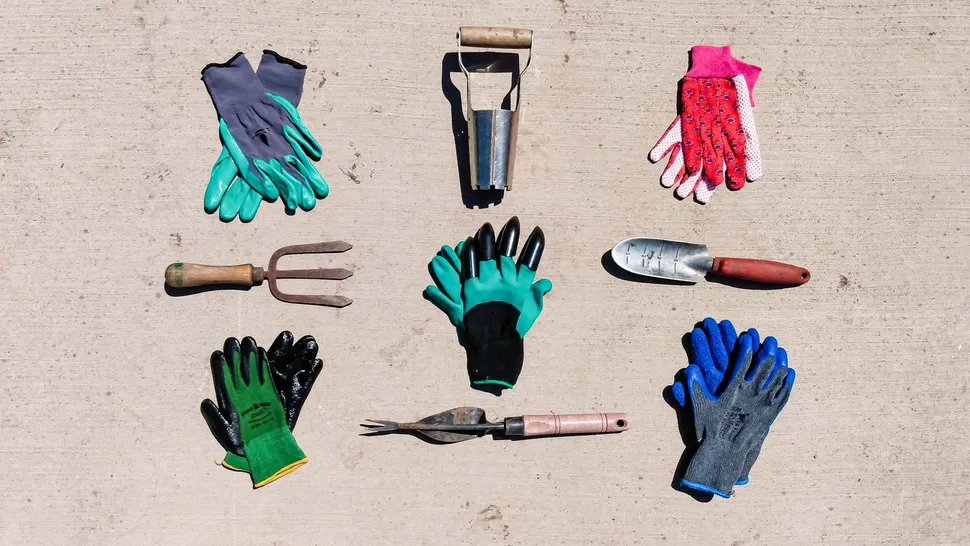
It usually happens one of two ways. Either you grab whatever’s cheapest at the garden center without thinking too hard about it, or you overspend on something that looks heavy-duty but turns out to be stiff, sweaty, and miserable to wear for more than twenty minutes.
Neither approach works, and both lead to the same outcome — gloves sitting unused while you garden bare-handed and tell yourself it’s fine. It’s usually not fine. Bare-handed gardening means soil under your nails, skin cracked from repeated exposure to dirt and moisture, cuts and scrapes from rough surfaces, and the occasional thorn or splinter that really ruins your afternoon. According to the CDC soil safety guidance, keeping your hands clean and protected is vital to preventing soil-borne infections.
How to Choose Garden Gloves: The Key Factors
Know What Tasks You’ll Actually Be Doing
Digging and soil work is the most common task, and for it you want a glove with a durable coated palm — nitrile or latex — that resists abrasion and repels moisture. For more specific recommendations on durability, see our guide on The Best Garden Gloves for Digging.
Pruning and working with thorny plants requires leather or a heavy-duty synthetic. We’ve narrowed down the top choices for protection in our reviews of the Best Garden Gloves for Rose Pruning and the 7 Best Thorn Proof Gardening Gloves.
Wet soil and rainy conditions require waterproof gloves. If you frequently work in these environments, check out our top picks for the Best Waterproof Gardening Gloves.
Understand Your Glove Materials
Nitrile-coated gloves are the workhorses of the gardening world. To see which brands perform best, view our list of the 7 Best Nitrile Coated Garden Gloves or learn about the manufacturing differences in Coated vs Dipped Garden Gloves.
Leather gloves are the traditional choice. You can find our favorite hide-based options in the Best Leather Gardening Gloves guide, or see how they stack up against synthetics in our Nitrile vs Leather Garden Gloves comparison.
Factor In Durability and Price
If you’re looking for value, we’ve tested the 7 Best Budget Gardening Gloves that actually hold up over time.
Matching Gloves to Specific Garden Types
Vegetable gardens involve a lot of soil contact. Since weeding is a constant task here, you might also want to look at The Best Garden Gloves for Weeding.